
 Show all images
Ruikangda Biomedical Technology - CDMO/CMO
We can provide the enzyme products and high-quality UDCA required for the conversion from CDCA to UDCA. We can also provide OEM services for high-quality or crude UDCA, according to the specifications specified by the customer

China
 Local time:

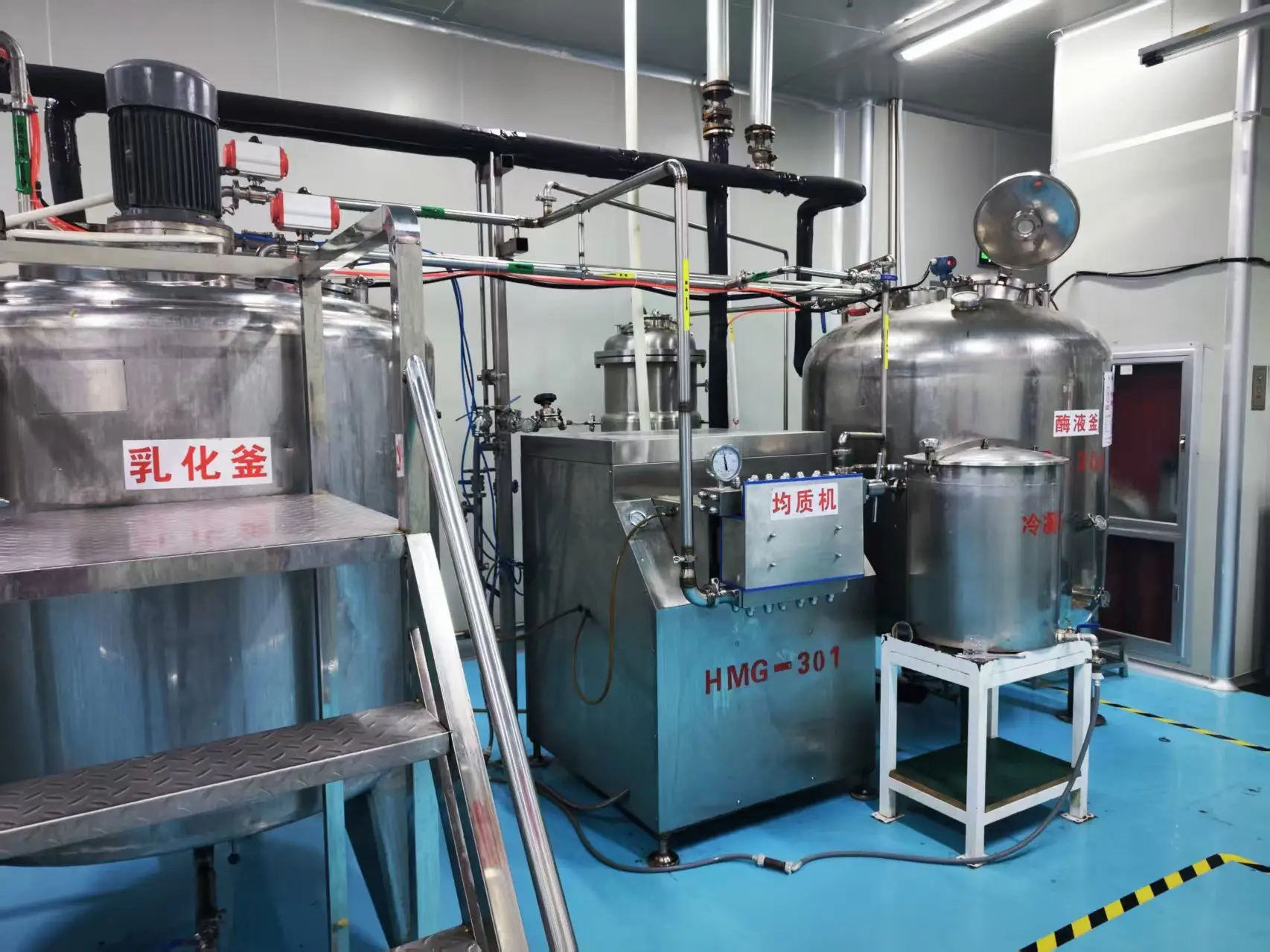
Ensures stability across batches from gene editing to enzyme and UDCA production
GMP standards compliance to ensure the lowest levels of single, total, and C impurities within the product category
Customized services, supplying enzymes for UDCA conversion and crude UDCA products with purity from 85% to 99.99%
Production scale:

Response time:
Services
Drug Substance (CDMO/CRO)
Contact Ruikangda (Shandong) Biomedical Technology for Contract Services Expertise
Connect with Ruikangda (Shandong) Biomedical Technology, a leading pharmaceutical company from China. They offer specialized Drug Substance (CDMO/CRO). Contact Ruikangda (Shandong) Biomedical Technology for free and discover if they are the perfect partner for your pharmaceutical needs.
Drug Substance (CDMO/CRO)
Drug Substance (often called the API, active pharmaceutical ingredient) is the active ingredient that becomes the core of a medicine
before it is formulated into tablets, capsules, injectables, or other dosage forms.
Outsourcing this stage typically involves a pharmaceutical CDMO that provides CDMO services such as process development,
scale-up, tech transfer, and CDMO manufacturing under GMP.
We use CDMO/CRO here because many partners combine development and manufacturing, and some also offer CRO-style support
(specialized analytical development, early-stage research services, feasibility work). Buyers searching for CDMO outsourcing usually want one thing:
a partner that can reliably deliver the right API at the right quality level for the target markets (FDA, EMA, PMDA and others).
These quick notes help you evaluate CDMO outsourcing partners for drug substance manufacturing without reading a full outsourcing handbook.
In drug substance work, a CDMO typically owns the “development + manufacturing” path, while CRO services are used to accelerate specific research or analytical tasks.
In practice, many contract development manufacturing organization partners offer both.
Common questions buyers ask when comparing CDMO companies for drug substance (API) manufacturing.
Drug substance manufacturing is the development and production of the active ingredient (API) used in a medicine.
It often includes process development, scale-up, GMP manufacturing, analytical methods, and documentation for target markets.
A pharmaceutical CDMO is a contract partner that provides development and manufacturing services, often end-to-end:
process development, scale-up, tech transfer, validation, and GMP production (CDMO manufacturing).
Many drug substance partners offer both CDMO execution and CRO-style support, such as specialized analytical development,
feasibility work, and early-stage research services. The right choice depends on scope, not the label.
Involve CRO support when you need specialized analytical development, rapid feasibility work, or research-heavy services that complement the CDMO scope.
Many buyers use CDMO services for development + manufacturing and add CRO services for specific tasks.
Start with scope (development vs manufacturing), then match capability (chemistry/biology, potency, scale),
validate GMP credentials and supported markets (FDA/EMA/PMDA), and finally check capacity and lead times.
Include API type, stage, batch sizes and annual demand estimate, target markets, known impurities/critical quality attributes,
required containment/OEB, timeline, and which services you expect (process development, tech transfer, GMP manufacturing, QC).
If potency or OEB limits require closed handling and validated containment, shortlist partners with dedicated suites,
documented exposure controls, and experience with similar compounds at comparable scales.
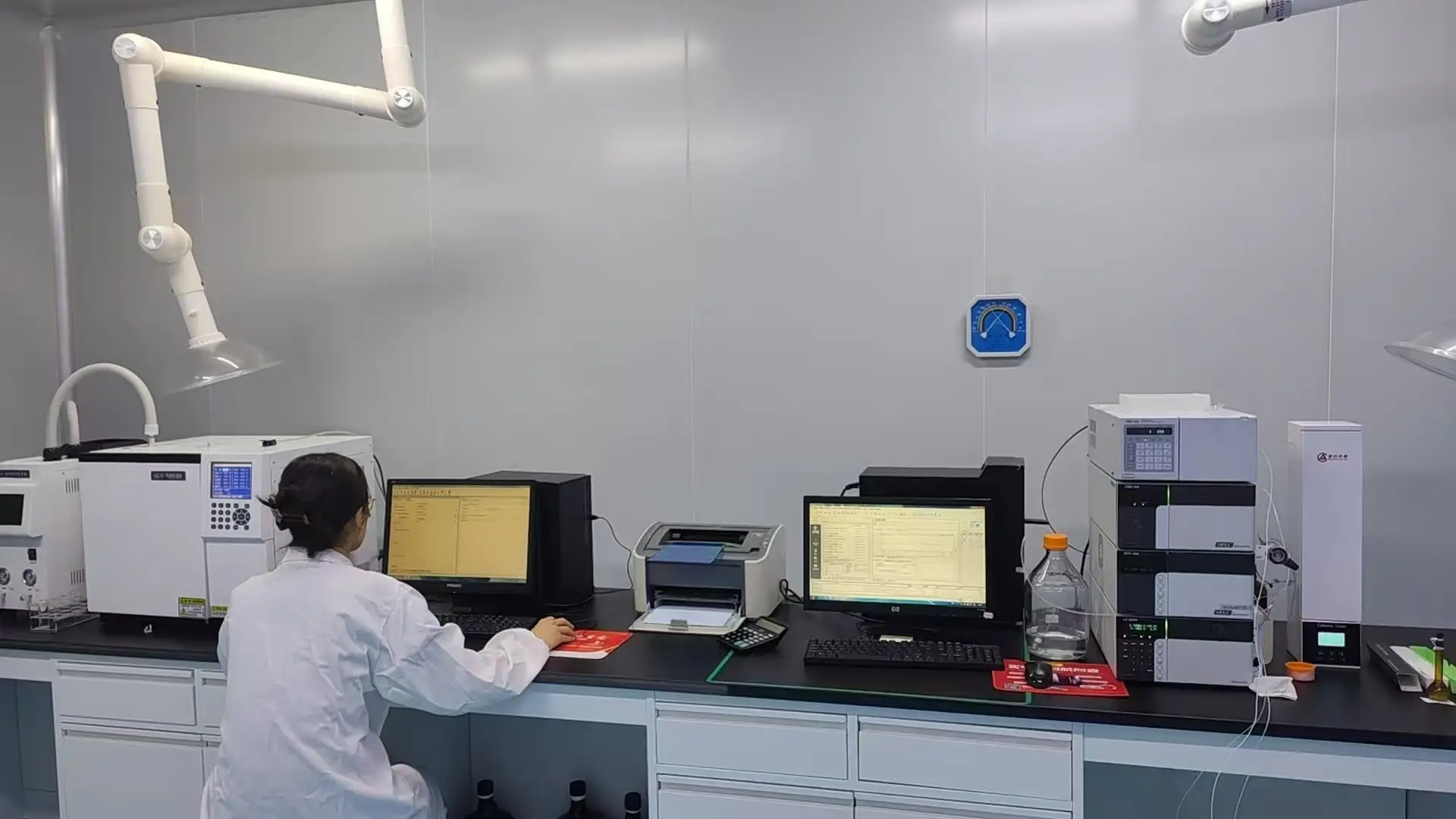
Very. In-house analytical development and QC often reduce transfer friction and shorten timelines.
Ask what is truly in-house (methods, stability, impurity profiling) versus outsourced.
Look for relevant inspections/certifications aligned to your target markets (FDA, EMA, etc.), and confirm that the specific facility and suites are in-scope.
Mature quality systems (deviations/CAPA, change control) matter as much as certificates.
Process complexity, containment requirements, analytical method readiness, documentation needs for target markets, and capacity constraints.
Clear scope and good transfer documentation reduce delays.
Sometimes, but often facilities and expertise differ. Validate modality fit (biologics vs chemical-synthetic),
equipment and containment, and comparable project references.
Compare on scope (what’s included), proven experience at similar scales, GMP maturity, analytical capabilities, supported markets, lead times,
and how change control and deviations are handled. Use filters above to remove obvious mismatches first.
What is Drug Substance outsourcing (CDMO/CRO)?
Drug Substance buyer guide (CDMO/CRO)
When do you need a CDMO vs CRO (or both)?
What to ask a Drug Substance CDMO
Key terms (Drug Substance)
Drug Substance CDMO services FAQ
What does “Drug Substance manufacturing” mean?
What is a pharmaceutical CDMO?
Why do you label this as CDMO/CRO?
When should I involve a CRO in drug substance work?
How do I shortlist CDMO companies quickly for API manufacturing?
What should I include in an RFQ to a Drug Substance CDMO?
Do I need a dedicated HPAPI facility?
How important is in-house analytical capability?
What GMP evidence should I look for?
What affects CDMO outsourcing timelines the most?
Can a biotech CDMO also support small molecule APIs?
How do I compare CDMO services fairly across providers?