

 Show all images
Salvat - CDMO/CMO
Discover Salvat
Salvat is a global pharmaceutical company, specialized in the production of pharmaceuticals and provision of services as a contract development and manufacturing organization (CDMO). With a specialized focus on sterile liquids in single-dose vials, we are headquartered in Barcelona, Spain, and have a subsidiary in Miami, US.
Our reach extends to over 60 countries worldwide, where we develop, manufacture, and market a diverse range of pharmaceutical products across several therapeutic areas, including ophthalmology, otolaryngology, gastroenterology, and wound care. Through strategic global alliances, we continuously innovate and contribute to enhancing patient care.
Our...

Spain
 Local time:

BFS expertise with FDA Approval for Sterile Manufacturing
USA and European Quality
Innovative solutions for ophthalmology and otorhinolaryngology
Production scale:

Response time:
Facilities


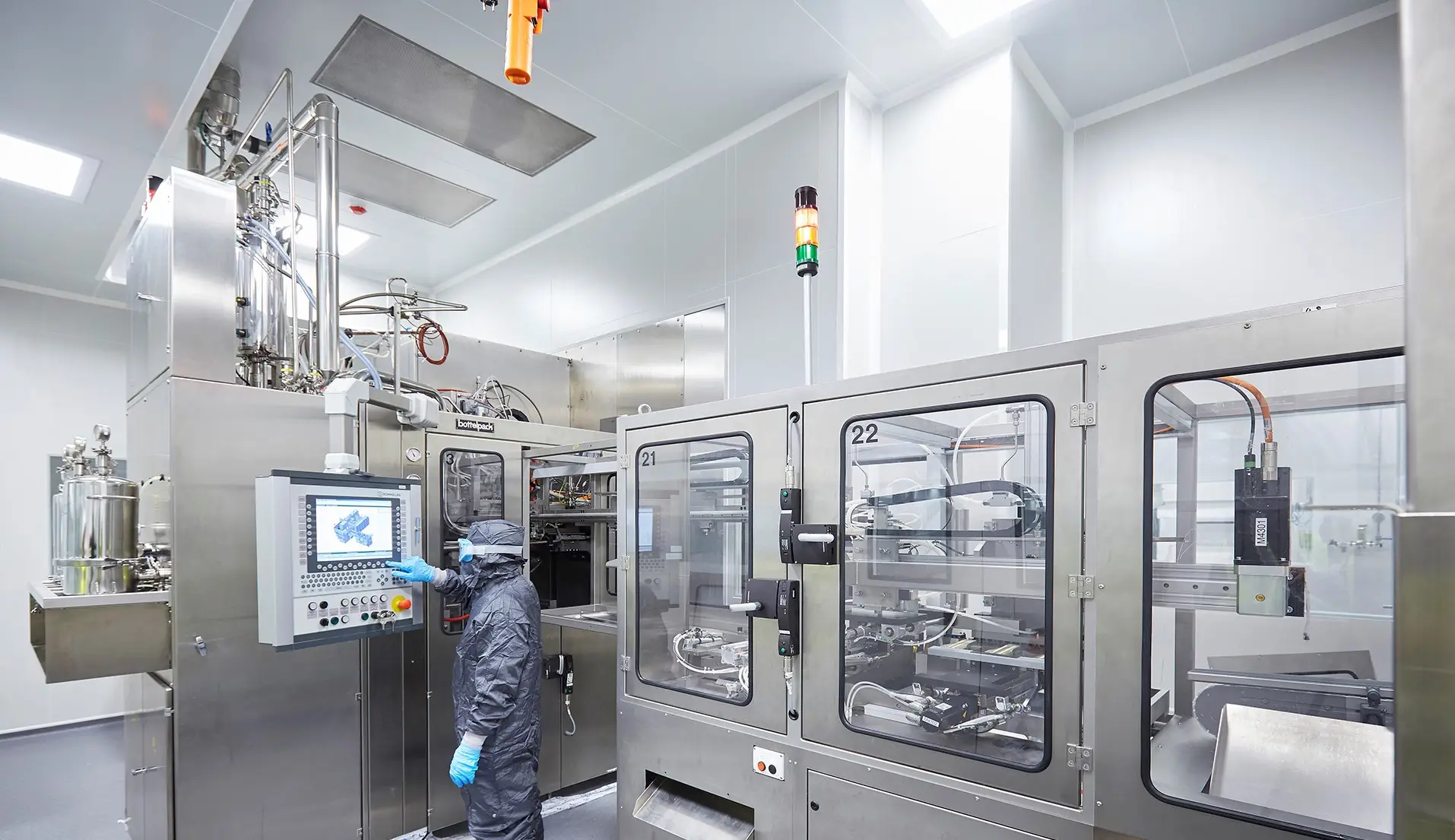

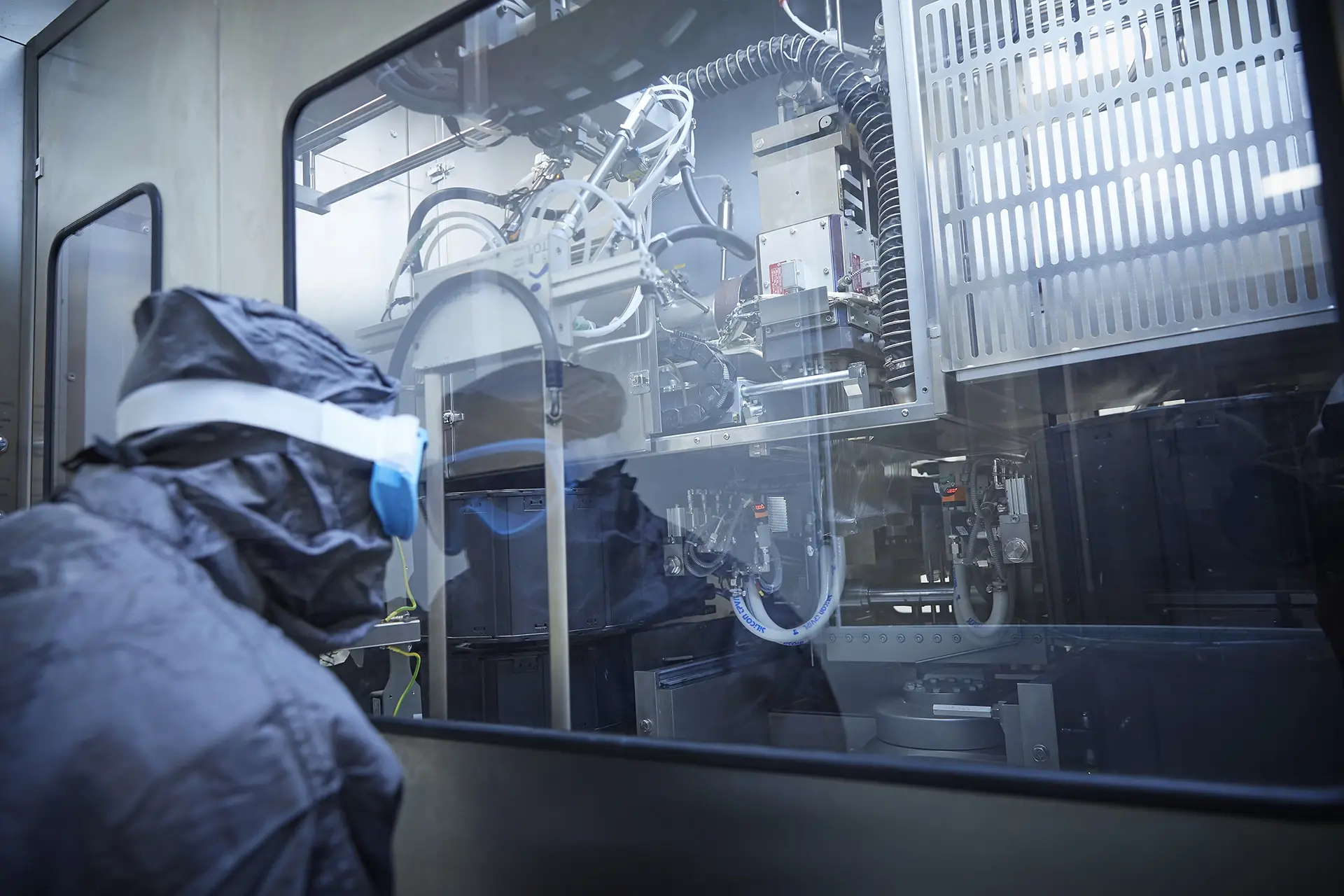

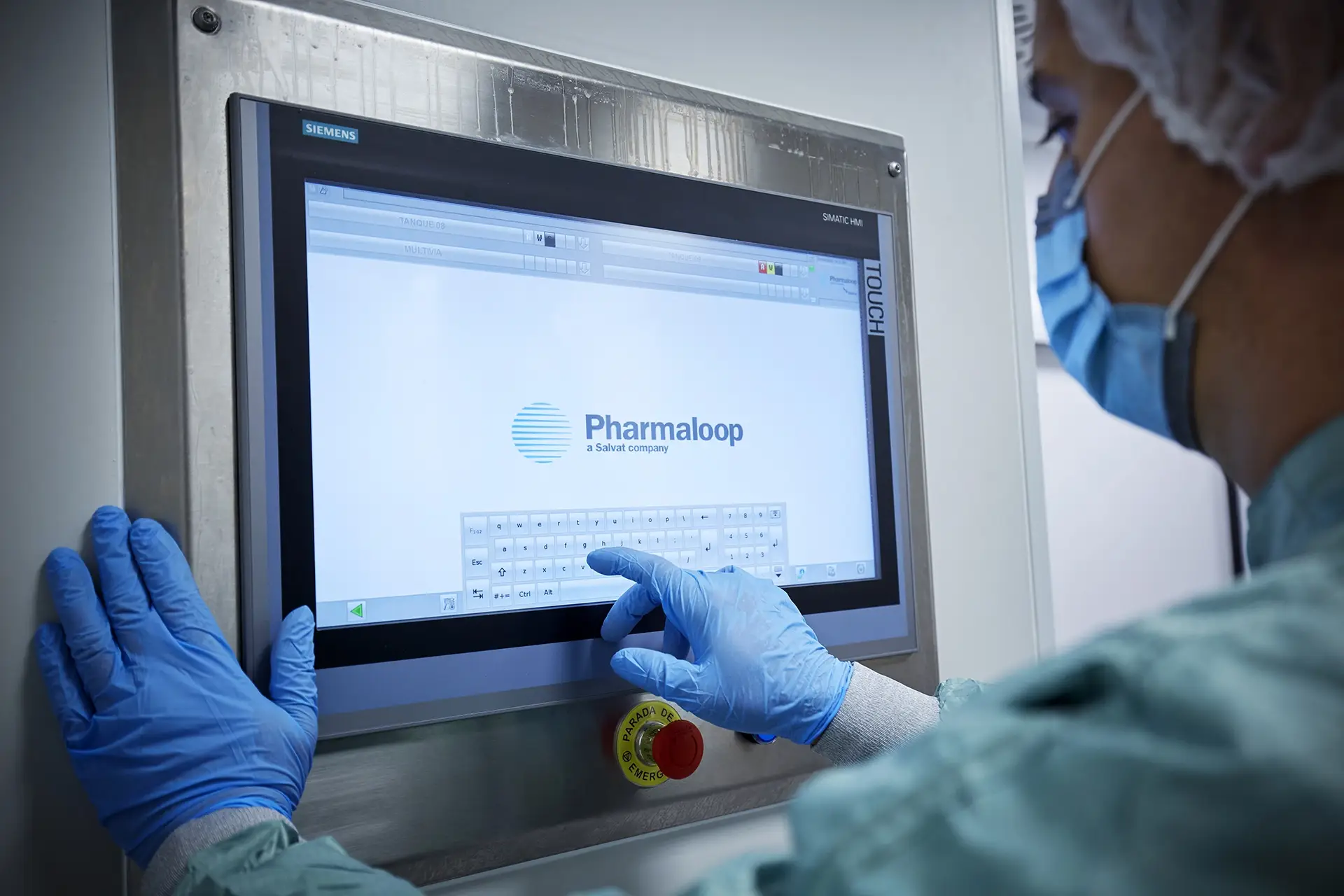

Upcoming events

Services
Drug Product (CMO)
Replies quickly
Replies quickly
Contact Salvat for Contract Services Expertise
Connect with Salvat, a leading pharmaceutical company from Spain. They offer specialized Drug Product (CMO), of which the services for CMO/CDMO include Powders & Granules, Tablets & Capsules. Contact Salvat for free and discover if they are the perfect partner for your pharmaceutical needs.
Drug Product (CMO)
What is Drug Product outsourcing (CMO)?
Drug Product is the finished dosage form patients use (tablets, capsules, injectables, sprays, creams, etc.). Drug Product outsourcing typically means working with a Contract Manufacturing Organization (CMO) to manufacture, validate, package, and release finished dosage forms under GMP for your target markets.
A pharmaceutical CMO focuses on manufacturing execution: tech transfer, GMP production, validation, packaging, and supply continuity. If you still need substantial formulation work or process development, you may need a broader contract development manufacturing organization scope. This directory is optimized for buyers who are comparing CMO services and contract manufacturing services by real-world fit.
- Choose a CMO when your process is defined and you need manufacturing capacity, validation, packaging, and predictable supply.
- Prioritize dosage form fit (sterile vs non-sterile, device needs, line compatibility, packaging components).
- Verify regulatory readiness for your markets: FDA/EMA experience, documentation, change control, and release workflow.
- Use this pharmaceutical CMO directory to shortlist and request quotes from the right providers faster.
Drug Product buyer guide (CMO)
Use this quick guide to evaluate CMO services and avoid common delays in tech transfer, validation, and packaging.
How to choose the right Contract Manufacturing Organization
- Dosage form fit: match the exact formats you need (sterile vs non-sterile, device needs, packaging lines).
- Tech transfer ownership: confirm who owns documents, training, and change control.
- Validation strategy: align to stage and markets (clinical vs commercial).
- Packaging reality: line compatibility and component lead times are frequent blockers.
- Regulatory compliant CMO: confirm inspections/certifications relevant to your target markets.
What to include in your first message (RFQ)
- Dosage form: tablets/capsules, liquids, semi-solids, sterile injectables, inhalation, etc.
- Fill-finish format: vials, prefilled syringes, ampoules, lyophilized powders, pens.
- Stage + markets: investigational vs commercial; FDA/EMA/others.
- Volumes: batch size and annual demand estimate.
- Constraints: cold chain, device/combination requirements, special packaging.
- Timeline: desired start date, first batch, launch window.
Common pitfalls in Drug Product outsourcing
- Capacity surprises: the facility can do it, but not in your timeframe.
- Packaging constraints: components and line compatibility often take longer than expected.
- Validation gaps: misaligned validation scope causes delays and rework.
- Scope confusion: if development is still needed, pure CMO execution may not be enough.
Drug Product CMO services FAQ
Practical answers buyers look for when hiring a CMO and comparing contract manufacturing companies.
What is a Contract Manufacturing Organization (CMO)?
A CMO is a contract partner focused on manufacturing execution under GMP. For drug products this often includes tech transfer, validation, routine manufacturing, packaging, and supply continuity.
What does “CMO services” usually include?
Typical CMO services include tech transfer, GMP manufacturing, validation support, packaging, QC testing where applicable, and batch release workflows aligned to target markets.
When should I choose a CMO instead of a CDMO?
Choose a CMO when the formulation and process are largely established and you need manufacturing capacity and reliable supply. Choose CDMO scope when you still need development work (formulation/process development/method development).
How do I shortlist pharmaceutical CMO providers fast?
Start with dosage-form fit (sterile vs non-sterile, device needs), then filter by certifications and target markets (FDA/EMA), capacity, and realistic timelines. This directory is built for that workflow.
What should I include in an initial inquiry to a CMO?
Include dosage form, stage, batch sizes and annual demand estimate, target markets, packaging format, cold chain needs, and key quality expectations. Clear inputs lead to faster, more accurate proposals.
What is fill-finish and why does it matter?
Fill-finish is the step where drug product is filled into final containers (vials, syringes, pens) and packaged. Facility design, sterility assurance, and packaging components often drive timelines and feasibility.
How do I evaluate a regulatory compliant CMO?
Confirm market experience (FDA/EMA), inspectable quality systems (deviations/CAPA, change control), documentation readiness, and whether the specific facility/suites are in-scope for your product type.
What affects lead times the most in drug product contract manufacturing?
Capacity windows, packaging component lead times, validation strategy, and analytical/QC readiness are common drivers. Sterile injectables and complex packaging formats typically require longer planning.
Do contract manufacturers handle packaging too?
Many do, but packaging capability is not universal. Validate line compatibility, serialization requirements, component sourcing responsibilities, and release workflows.
What are “custom CMO services” and when do I need them?
Custom CMO services usually mean tailored packaging, special handling (cold chain), device requirements, or non-standard batch strategies. Use them when your product needs go beyond a standard manufacturing run.
How do I compare contract manufacturing companies fairly?
Compare on dosage-form fit, proven experience, certifications and market history, QA maturity, realistic lead times, and packaging capabilities. Use filters first, then deep-dive with RFQs.
Is an NDA required before contacting a CMO?
Often not for a high-level brief. Most buyers share a concise scope first and sign an NDA when detailed transfer documents are needed.
Why use a pharmaceutical CMO directory instead of searching manually?
Manual search is slow and inconsistent. A directory approach lets you compare providers by the same criteria (dosage form, certifications, markets, scale), so you can shortlist faster and avoid contacting mismatched suppliers.
What is the difference between contract manufacturing services and CDMO services?
Contract manufacturing services usually focus on execution and supply. CDMO services typically include development work alongside manufacturing. For drug product, choose based on whether you need development or mainly manufacturing capacity.
Can I send one request to multiple CMOs?
Yes. If you’re unsure, use the open inquiry option: one message with your requirements routed to relevant CMOs, helping you compare responses without repeating the same work.
What are pharma contract fillers?
“Pharma contract fillers” usually refers to CMOs that perform fill-finish operations, especially for sterile injectables. Verify container formats, aseptic capabilities, and packaging lines for your product.
Oral solid products
Oral solid outsourcing means working with a Contract Manufacturing Organization to manufacture tablets, capsules,
granules, or powders as finished dosage forms. Typical steps include blending, granulation, compression or encapsulation, coating,
in-process controls, and packaging into bottles, blisters, or stick packs.
Key constraints include content uniformity, moisture sensitivity, tooling availability, and dissolution performance. A strong oral solid CMO
also manages packaging component lead times and serialization needs for your target markets.
Use this guide to evaluate oral solid contract manufacturing services and avoid delays during tech transfer and scale-up.
Short answers to common questions about oral solid dosage form outsourcing and tablet manufacturing CMOs.
An oral solid products CMO manufactures tablets, capsules, powders, and granules as finished dosage forms. Services often include blending, granulation, compression, coating, encapsulation, and packaging. Yes. Tablet manufacturing focuses on compression tooling, hardness, friability, and coating, while capsule filling centers on fill weights and shell compatibility. A qualified CMO can offer both and advise on equipment fit. Many CMOs provide wet and dry granulation services to improve flow and content uniformity. Ask about equipment scale, binder systems, and moisture control for your formulation. Common formats include blisters, bottles, stick packs, and sachets. Packaging line compatibility and component lead times are frequent decision factors. Key tests include assay, content uniformity, dissolution, hardness, and stability. Your CMO should align methods and specifications to target markets. Some do. For high-potency APIs, confirm containment, occupational exposure limits, and cleaning validation strategies. Batch size depends on scale-up, market demand, and equipment capacity. Share your clinical or commercial forecast to confirm line fit early. It includes documentation review, trial blends or engineering batches, process validation, and stability initiation. Timelines vary with tooling and packaging readiness. Many CMOs offer packaging, but capabilities vary by line and format. Confirm serialization, labeling, and artwork management support. Common issues include blend segregation, compression scale-up surprises, and coating defects. Early process characterization and realistic timelines help reduce risk. Compare equipment capabilities, regulatory history, capacity windows, and packaging flexibility. Use this directory to shortlist CMOs by oral solid fit. Oral solid outsourcing is a subset of finished dosage form manufacturing focused on tablets and capsules. A drug product CMO can also support other dosage forms if needed. Many CMOs support stability storage and release testing, sometimes via in-house or partner labs. Clarify scope and data ownership in your RFQ. Provide formulation details, target dose, granulation method, tooling requirements, batch sizes, packaging format, and target markets. Clear inputs reduce RFQ back-and-forth.What is oral solid products outsourcing (CMO)?
When to choose a CMO for oral solid products
Common buyer requirements
Drug Product buyer guide (CMO)
How to choose the right Contract Manufacturing Organization for oral solids
RFQ template: what to include for oral solid products
Common pitfalls in oral solid contract manufacturing
Validation and regulatory notes for oral solid products
Oral Solid Products CMO services FAQ
What does an oral solid products CMO manufacture?
Is tablet manufacturing CMO support different from capsule filling?
Can a CMO help with granulation services for oral solids?
What packaging formats are common for oral solid drug product manufacturing?
Which quality tests matter most for oral solid dosage forms?
Do oral solid CMOs handle high-potency compounds?
How should I size batches for oral solid contract manufacturing?
What is the typical tech transfer workflow for oral solid products?
Do oral solid CMOs provide pharmaceutical packaging services?
What are common pitfalls in oral solid contract manufacturing?
How do I compare pharmaceutical contract manufacturing organizations for tablets?
Is finished dosage form manufacturing the same as oral solid outsourcing?
Can a pharma CMO services team support stability and release testing?
What documentation should I provide for a tablet manufacturing RFQ?
Powders & Granules
Powders and granules are flexible oral formats. CMOs support blending, granulation, and GMP filling for pharmaceutical applications.
Tablets & Capsules
Tablets and capsules are common oral solid forms. CMOs offer formulation, compression, encapsulation, and GMP-compliant manufacturing services.