


 Show all images
Polpharma - CDMO/CMO
We are one of the leading European CDMO companies with over seven decades of experience in supporting patients’ health with high-quality APIs.
We offer comprehensive capabilities that span a broad spectrum of cutting-edge technologies and end-to-end solutions—from process development to large-scale commercial production. Our expertise includes:
- High Potency APIs (HP APIs)
- Oligonucleotides
- Cryogenic processes
Our cutting-edge facilities for R&D, pilot production, manufacturing, and quality control, combined with the extensive expertise in developing and manufacturing highly complex APIs, enable us to offer a diverse range of services across the entire value chain. Supported by an engaged, highly skilled, and accountable team of nearly 500...

Poland
 Local time:

Largest Polish manufacturer of pharmaceuticals and a leader of the Polish pharmaceutical market.
FDA approved european manufcaturing facilities
Export APIs to more than 60 countries worldwide
Production scale:

Response time:
Facilities
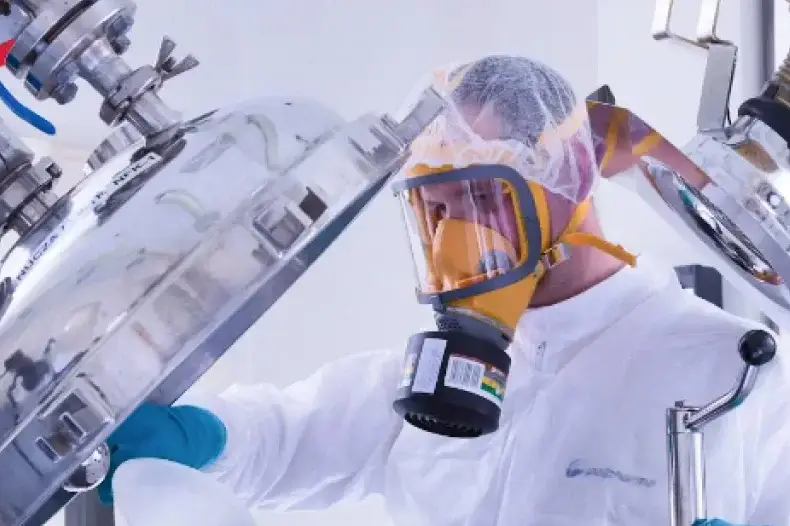
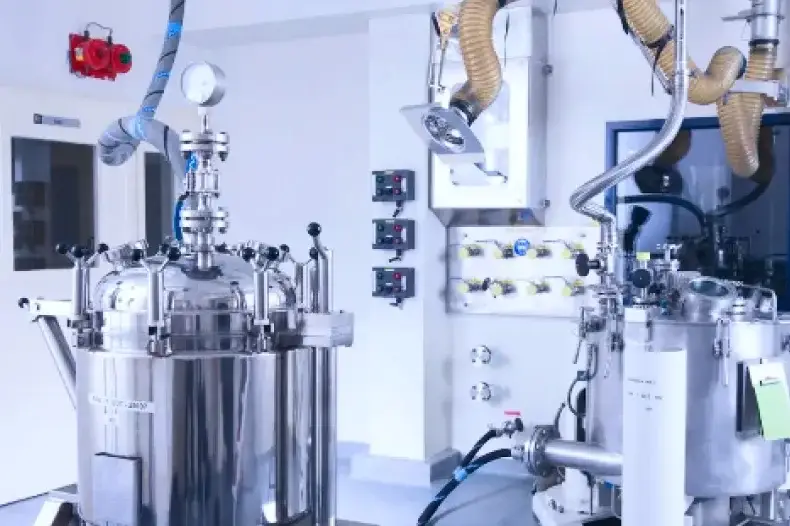
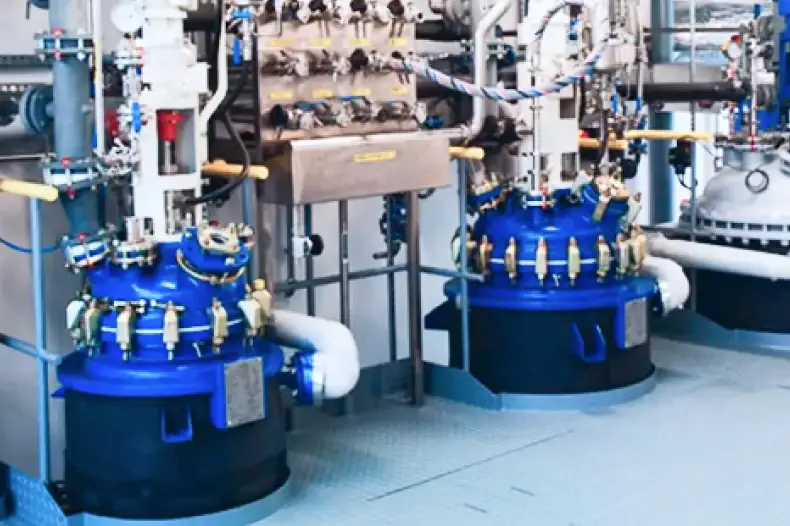
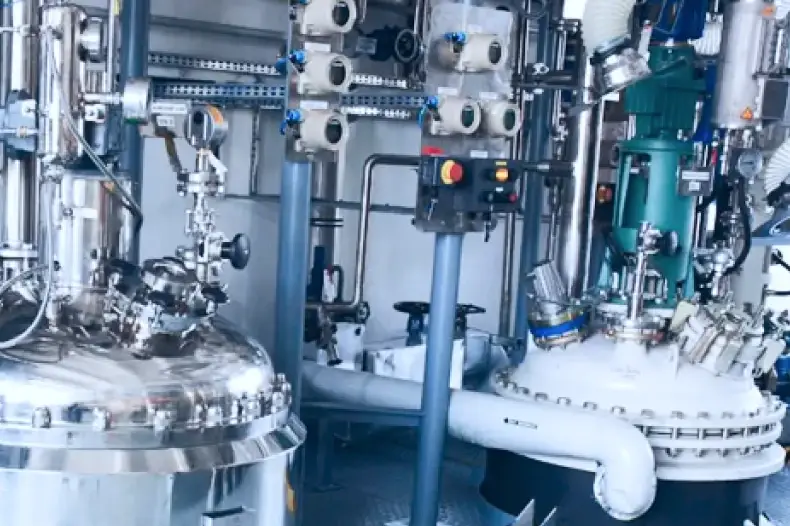
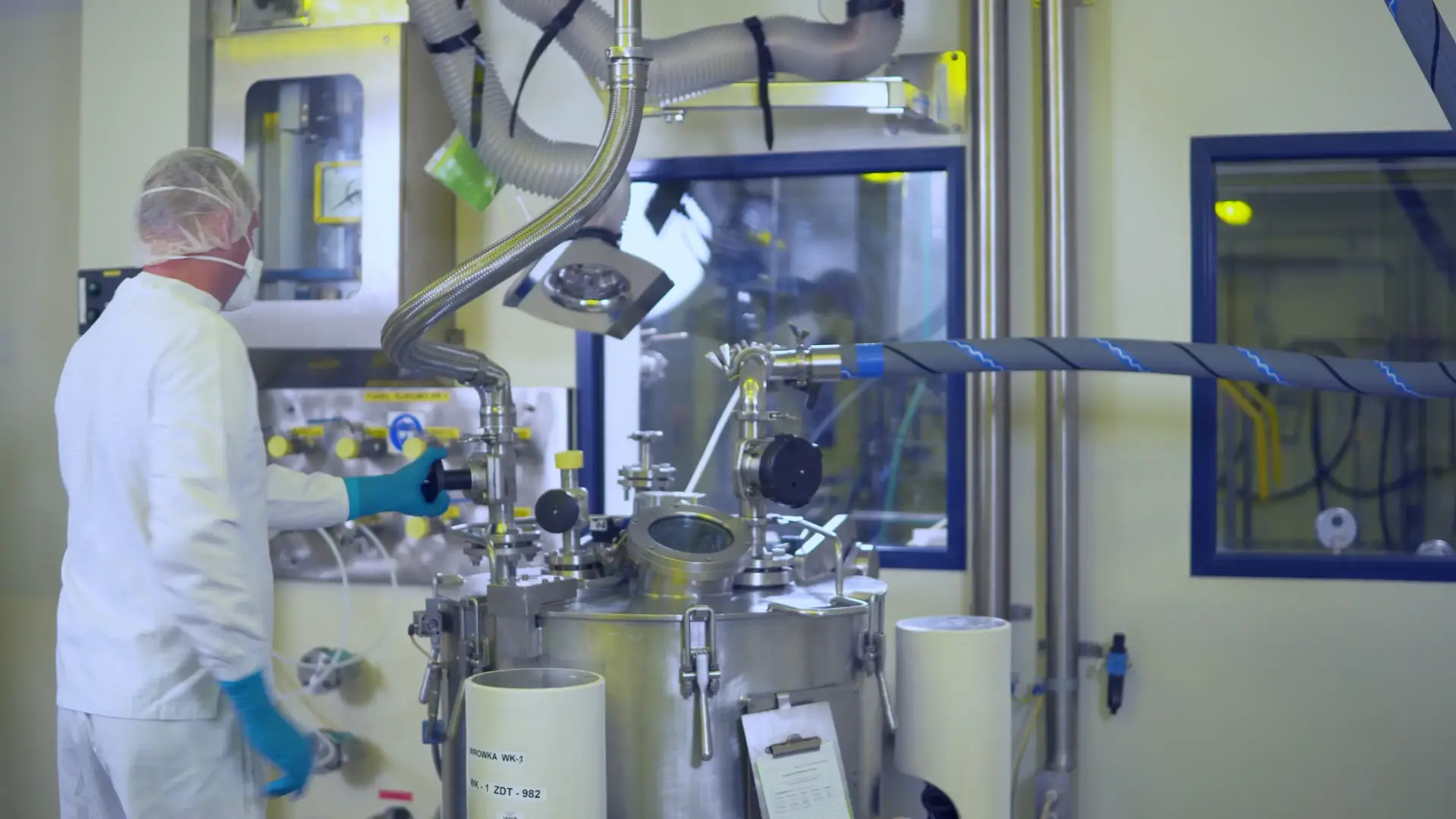
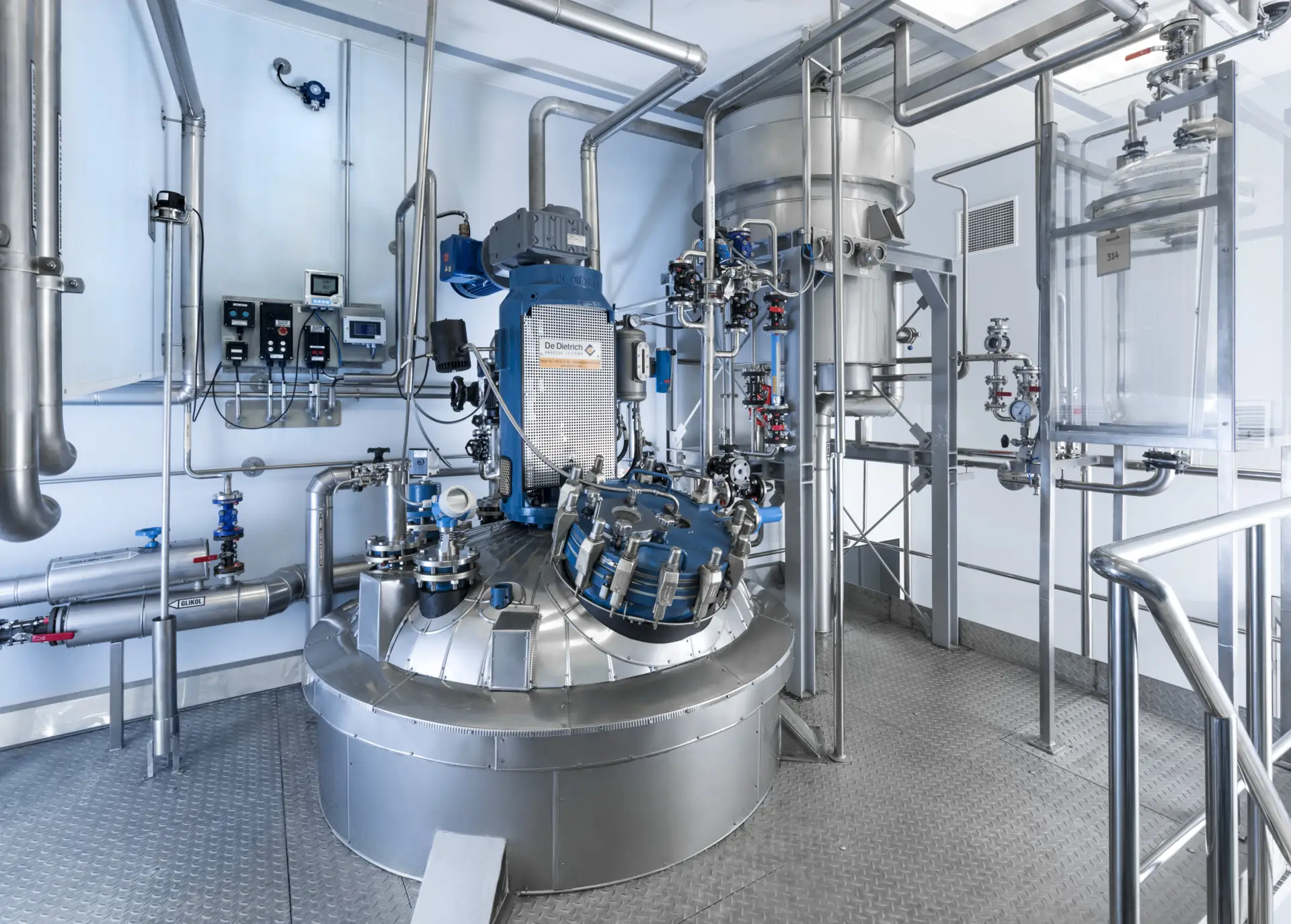
Our Pilot Plant is an independent, small scale FDA approved production facility counting more than 25 reactors and vessels from 50 to 650 L for a total of 6 m3 capacity.
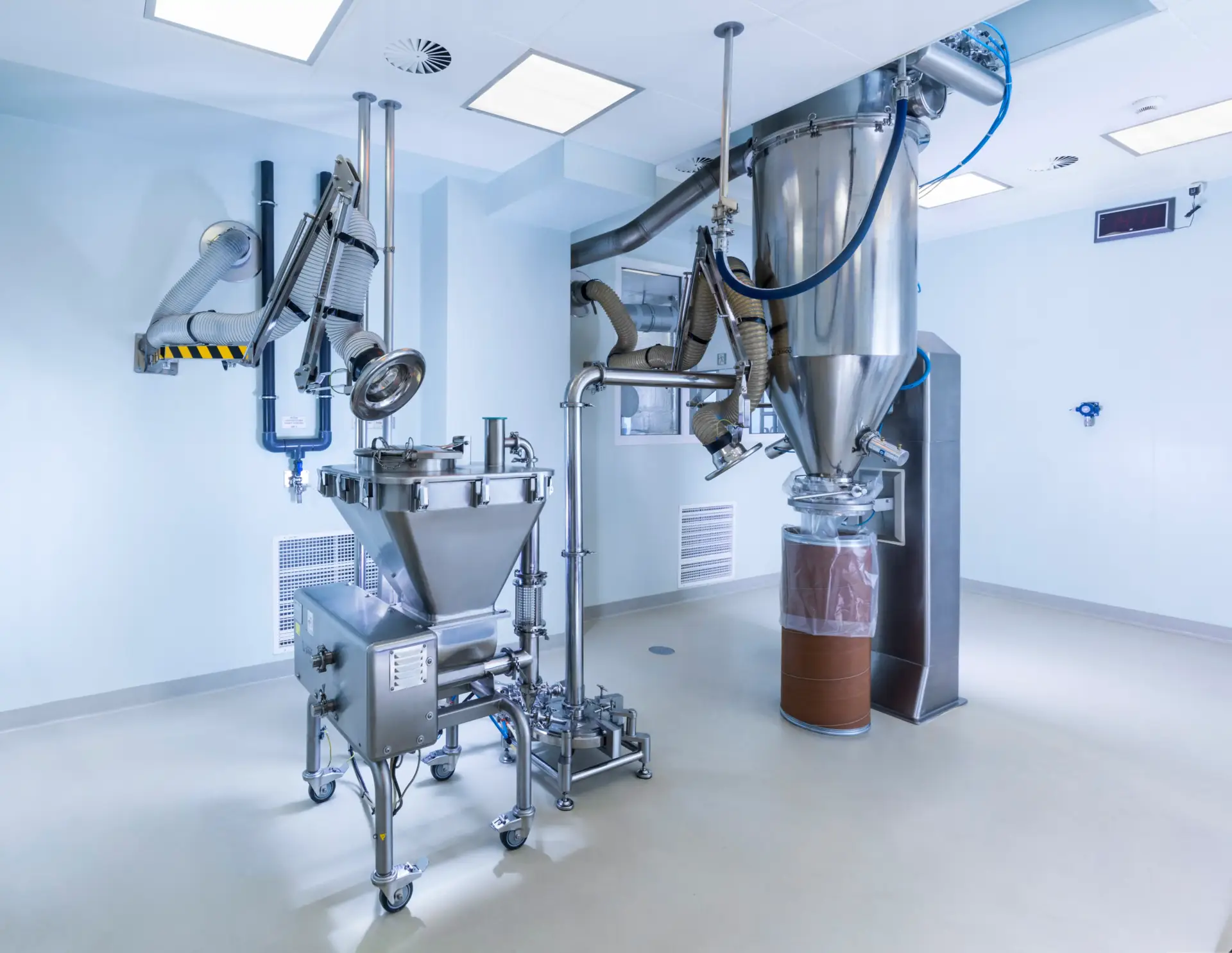
3 different and fully segregated clean zones for final APIs processing enable 3 parallel projects to run independently. Pilot Plant operations are designed and maintained an exactly the same standard as the production environment at the target commercial scale, which ensures a smooth process transfer at a larger...
Latest updates

Ryvu Therapeutics and Polpharma sign two agreements in the area of RVU120 API production for Phase II clinical trials
Ryvu Therapeutics (WSE: RVU), a clinical-stage drug discovery and development company focusing on novel small molecule therapies that address emerging targets in oncology and Zakłady Farmaceutyczne Po
Learn more
Another Polpharma API strategic milestone achieved!
Another Polpharma API strategic milestone achieved! ‍ KiloLab Laboratory - a development and production in a kilogram scale - has been launche
Learn more
First CADIFA certification from ANVISA for Etodolac
In the dynamic landscape of pharmaceutical regulations, Brazil took a significant stride in April 2020 when ANVISA unveiled new rules about active pharmaceutical ingredients (APIs). Fast forward to Au
Learn more
Rising Prevalence of Cancer and Its Impact on the HP API Market
Cancer cases are expected to increase by 61% by 2050, particularly in lower-income countries. This alarming trend underscores the urgent need for more effective and targeted treatment options. In resp
Learn more
Polpharma Group's environmental responsibility
We understand that a healthy world that we strive to contribute to through our mission includes a healthy environment. As a manufacturing company, we are committed to reducing our environmental impact
Learn more
An Overview of Breast Cancer: Understanding Risks, Treatments, and Market Trends
Breast cancer is a disease characterized by the uncontrolled growth of cells in the breast tissue. It is the second most common cancer type overall, and the most prevalent cancer among women worldwide
Learn more
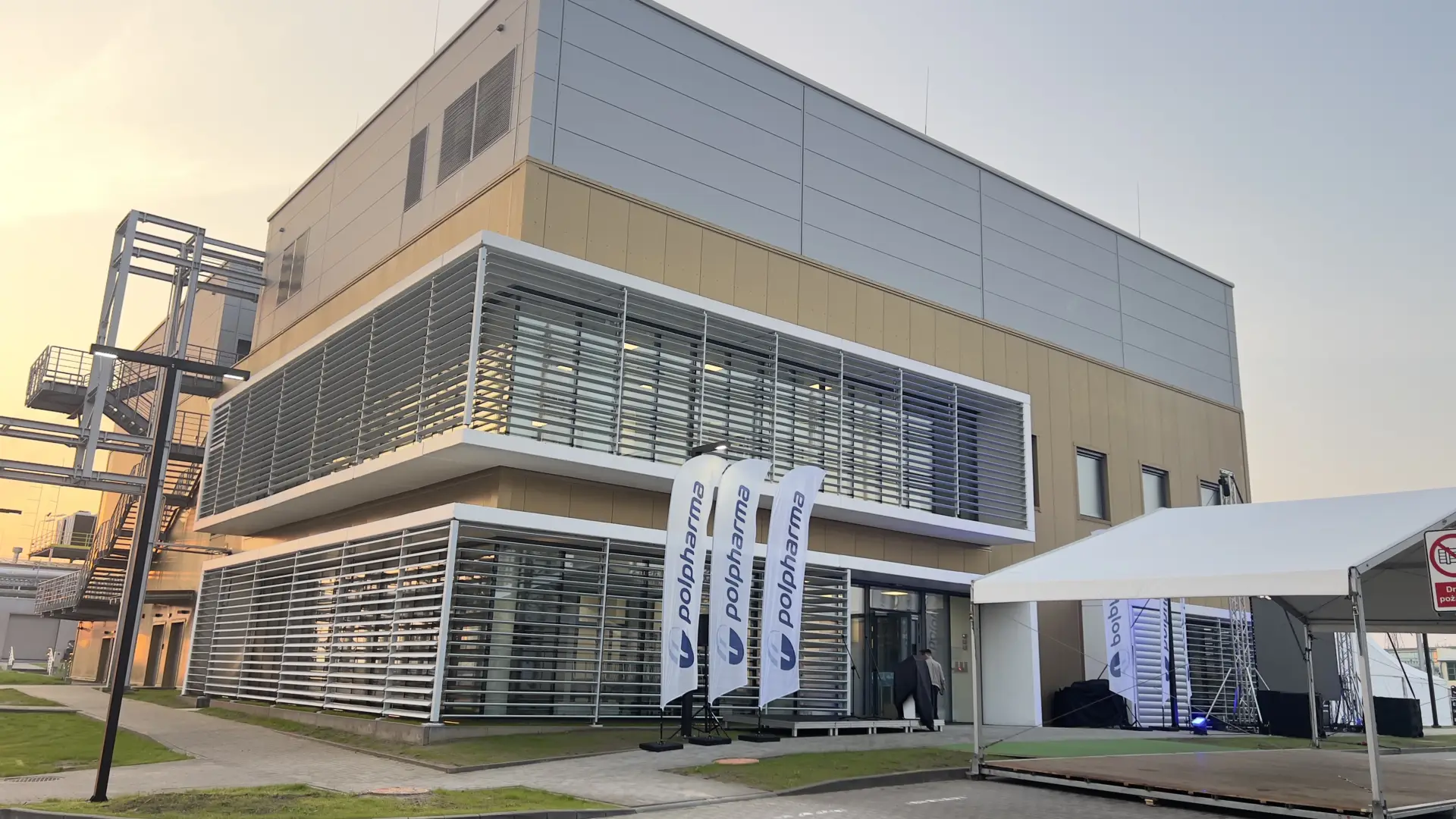
Polpharma's HP API facility is live!
An extraordinary investment in the API sector - a new facility adapted to work with highly potent active pharmaceutical ingredients (HP API), the first and only of its kind in Poland.
Learn more
Addressing Nitrosamine Risks in Pharmaceutical Manufacturing
In the relentless pursuit of excellence and delivering top-quality products, the pharmaceutical industry often relies on established facts and practices. However, thi
Learn more
A Comprehensive Overview and Prognosis of the Diabetes Market
Diabetes is one of the most serious health problems in the modern world.
Learn moreUpcoming events

DCAT 2025
In-person event17-03-2025

World ADC London 2025
In-person event03-03-2025


World ADC San Diego
In-person event03-11-2025

CPHI WW 2025 Frankfurt
In-person event28-10-2025

CPHI China 2025
In-person event24-06-2025
Services
- New chemical routes full development
- Process optimization
- Technical transfer
- Analytical methods development, transfer, validation
- Troubleshooting
- Crystallization studies
- Particle size distribution control
Our Pilot Plant is an independent, small scale FDA approved production facility counting more than 25 reactors and vessels from 50 to 650 L for a total of 6...
Drug Substance (CDMO/CRO)
Contact Polpharma for Contract Services Expertise
Connect with Polpharma, a leading pharmaceutical company from Poland. They offer specialized Drug Substance (CDMO/CRO). Contact Polpharma for free and discover if they are the perfect partner for your pharmaceutical needs.
Drug Substance (CDMO/CRO)
Drug Substance (often called the API, active pharmaceutical ingredient) is the active ingredient that becomes the core of a medicine
before it is formulated into tablets, capsules, injectables, or other dosage forms.
Outsourcing this stage typically involves a pharmaceutical CDMO that provides CDMO services such as process development,
scale-up, tech transfer, and CDMO manufacturing under GMP.
We use CDMO/CRO here because many partners combine development and manufacturing, and some also offer CRO-style support
(specialized analytical development, early-stage research services, feasibility work). Buyers searching for CDMO outsourcing usually want one thing:
a partner that can reliably deliver the right API at the right quality level for the target markets (FDA, EMA, PMDA and others).
These quick notes help you evaluate CDMO outsourcing partners for drug substance manufacturing without reading a full outsourcing handbook.
In drug substance work, a CDMO typically owns the “development + manufacturing” path, while CRO services are used to accelerate specific research or analytical tasks.
In practice, many contract development manufacturing organization partners offer both.
Common questions buyers ask when comparing CDMO companies for drug substance (API) manufacturing.
Drug substance manufacturing is the development and production of the active ingredient (API) used in a medicine.
It often includes process development, scale-up, GMP manufacturing, analytical methods, and documentation for target markets.
A pharmaceutical CDMO is a contract partner that provides development and manufacturing services, often end-to-end:
process development, scale-up, tech transfer, validation, and GMP production (CDMO manufacturing).
Many drug substance partners offer both CDMO execution and CRO-style support, such as specialized analytical development,
feasibility work, and early-stage research services. The right choice depends on scope, not the label.
Involve CRO support when you need specialized analytical development, rapid feasibility work, or research-heavy services that complement the CDMO scope.
Many buyers use CDMO services for development + manufacturing and add CRO services for specific tasks.
Start with scope (development vs manufacturing), then match capability (chemistry/biology, potency, scale),
validate GMP credentials and supported markets (FDA/EMA/PMDA), and finally check capacity and lead times.
Include API type, stage, batch sizes and annual demand estimate, target markets, known impurities/critical quality attributes,
required containment/OEB, timeline, and which services you expect (process development, tech transfer, GMP manufacturing, QC).
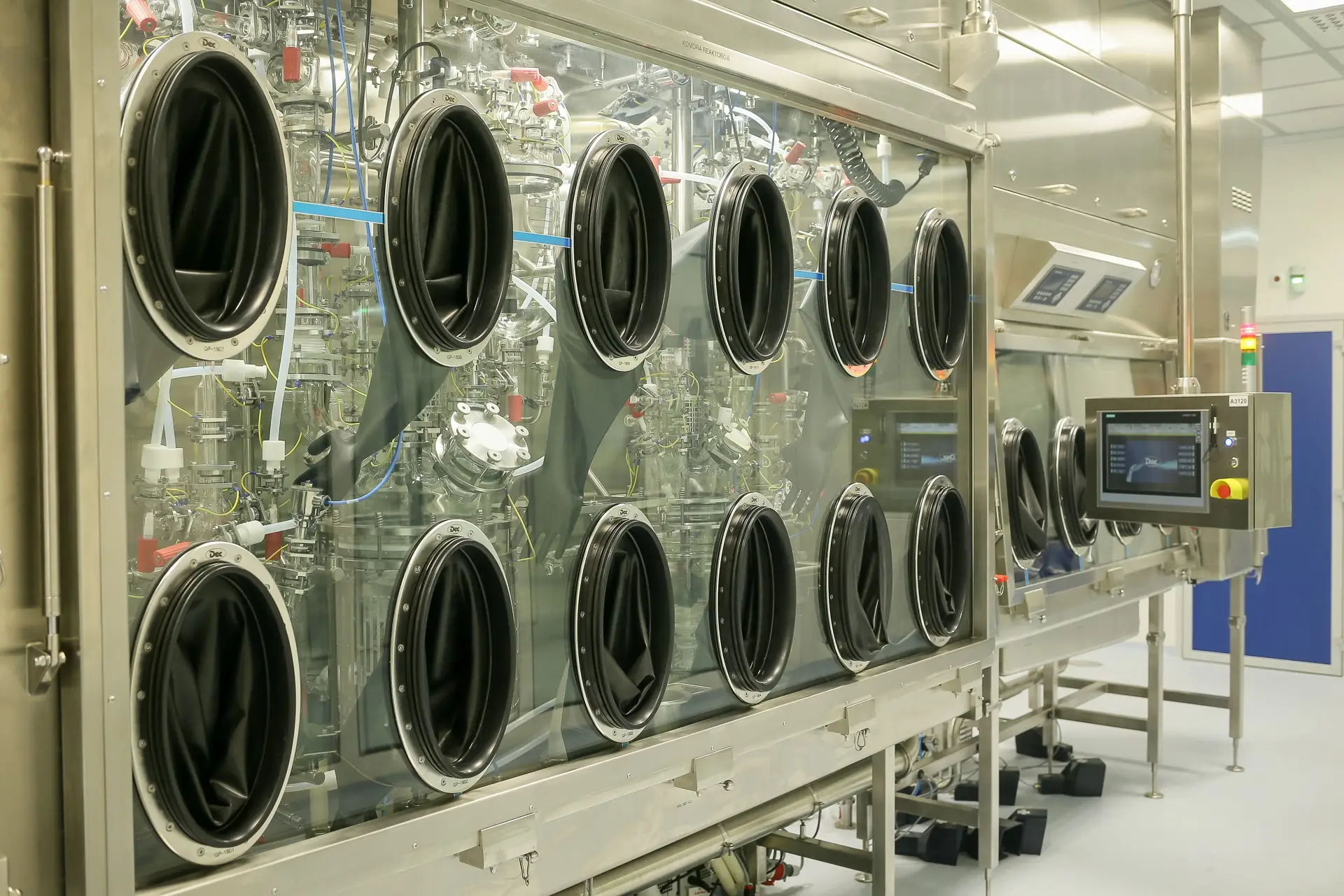
If potency or OEB limits require closed handling and validated containment, shortlist partners with dedicated suites,
documented exposure controls, and experience with similar compounds at comparable scales.
Very. In-house analytical development and QC often reduce transfer friction and shorten timelines.
Ask what is truly in-house (methods, stability, impurity profiling) versus outsourced.
Look for relevant inspections/certifications aligned to your target markets (FDA, EMA, etc.), and confirm that the specific facility and suites are in-scope.
Mature quality systems (deviations/CAPA, change control) matter as much as certificates.
Process complexity, containment requirements, analytical method readiness, documentation needs for target markets, and capacity constraints.
Clear scope and good transfer documentation reduce delays.
Sometimes, but often facilities and expertise differ. Validate modality fit (biologics vs chemical-synthetic),
equipment and containment, and comparable project references.
Compare on scope (what’s included), proven experience at similar scales, GMP maturity, analytical capabilities, supported markets, lead times,
and how change control and deviations are handled. Use filters above to remove obvious mismatches first.
What is Drug Substance outsourcing (CDMO/CRO)?
Drug Substance buyer guide (CDMO/CRO)
When do you need a CDMO vs CRO (or both)?
What to ask a Drug Substance CDMO
Key terms (Drug Substance)
Drug Substance CDMO services FAQ
What does “Drug Substance manufacturing” mean?
What is a pharmaceutical CDMO?
Why do you label this as CDMO/CRO?
When should I involve a CRO in drug substance work?
How do I shortlist CDMO companies quickly for API manufacturing?
What should I include in an RFQ to a Drug Substance CDMO?
Do I need a dedicated HPAPI facility?
How important is in-house analytical capability?
What GMP evidence should I look for?
What affects CDMO outsourcing timelines the most?
Can a biotech CDMO also support small molecule APIs?
How do I compare CDMO services fairly across providers?