
Prednisolone API Manufacturers & Suppliers

Find, compare & contact
Filters
Custom request?
Type
Production region
Qualifications
Country of origin
 Follow us
Producer
Produced in:
Established in: 1987
MOQ: 1 kg
Employees: 50+



ISO 9001:2015 & SGS audited supplier
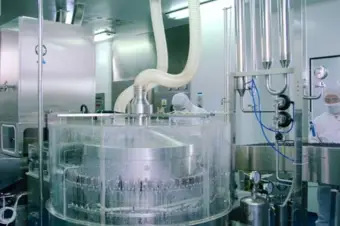
One-stop CDMO Solutions for APl and Key intermediates
Specialized in APIs & Pharmaceutical Intermediates for 38 years
+ 0
All certificates



Distributor
Produced in:
Established in: 1885
MOQ: -
Employees: 150
Trusted for 140 years
Global distribution business with API manufacturing facilities
European company with presence in 3 continents
+ 0
All certificates


Distributor
Produced in:
Established in: 1886
MOQ: 1 kg
Employees: 275+

Raw materials, CMO and OTC products
Two GMP certified locations
Customisable (small-sized) packages
+ 0
All certificates

Distributor
Produced in:
Established in: 2019
MOQ: -
Employees: 50+
ISO 9001, SGS, Certificated supplier.
Audit available either on site or remote.
Professional One Stop Service for delivery to customers.
+ 0
All certificates


Distributor
Produced in:
Established in: 1968
MOQ: 1 kg
Employees: 50+
Warehouse stock of nearly all APIs
GMP, GDP and ISO certified
Customisable (small-sized) packages
+ 0
All certificates
Producer
Produced in:

Established in: 2021
MOQ: -
Employees: 15
Safe & Environment-friendly Atmosphere
Integrity
To ensure employees are well-trained, motivated and satisfied
+ 0
All certificates

Distributor
Produced in:
Established in: 2007
MOQ: -
Employees: 200+
GMP, WC, CEP, FDA, ISO Certificate
Arshine Group supplies more than 2,000 kinds of products
Arshine's marketing network has spread over more than 100 countries
+ 0
All certificates
Producer
+ 0
All certificates

Producer
Produced in:

Established in: 1991
MOQ: -
Employees: 3,500+
More than 12 GMP manufacturing facilities (EU, US, India)
Portfolio of more than 240 commercial APIs
We are experts in the cGMP production of highly potent compounds
+ 0
All certificates
Producer
+ 0
All certificates
Producer
+ 0
All certificates
Producer
+ 0
All certificates
Producer
+ 0
All certificates
Producer
+ 0
All certificates
Producer
+ 0
All certificates
Distributor
+ 0
All certificates
Producer
+ 0
All certificates
Producer
+ 0
All certificates
Producer
+ 0
All certificates

Producer

+ 0
All certificates
How does it work?

You can register for free as long as you are registering on behalf of a legal company related to the pharmaceutical industry

Search in the search bar the product that you’re looking for. We’ll show you an overview of all available suppliers. Use the filters to select the relevant suppliers only

Have you found interesting suppliers? Then it’s time to contact them. Use the send inquiry button and send them a message. You can send for each product, 3 inquiries per week

Suppliers get notified by Pharmaoffer that they’ve received a new inquiry. They will come back to you with their questions, certificates, and offer in the chat on Pharmaoffer. We will send you an email in case of any news

Does the supplier meet your quality and commercial requirements? Then you can place the order. Just follow the steps of our order module
Looking for Prednisolone API 50-24-8?
- Description:
- Here you will find a list of producers, manufacturers and distributors of Prednisolone. You can filter on certificates such as GMP, FDA, CEP, Written Confirmation and more. Send inquiries for free and get in direct contact with the supplier of your choice.
- API | Excipient name:
- Prednisolone
- Synonyms:
- delta-dehydrocortisol , delta(1)-Hydrocortisone , Hydroretrocortine , Metacortandralone , PRDL , Prednisolona , Prednisolonum , Prednisoloni
- Cas Number:
- 50-24-8
- DrugBank number:
- DB00860
- Unique Ingredient Identifier:
- 9PHQ9Y1OLM
About Prednisolone
What makes Prednisolone unique? Prednisolone is a glucocorticoid similar to cortisol used for its anti-inflammatory, immunosuppressive, anti-neoplastic, and vasoconstrictive effects. Prednisolone was granted FDA approval on 21 June 1955.
Ask the supplier for a certificate of analysis to find out more about the quality of Prednisolone.
Prednisolone is a type of Corticosteroids
Corticosteroids are a vital subcategory of pharmaceutical active pharmaceutical ingredients (APIs) that play a crucial role in the field of medicine. These synthetic drugs mimic the effects of hormones naturally produced by the adrenal glands. Corticosteroids exhibit potent anti-inflammatory and immunosuppressive properties, making them widely used in the treatment of various medical conditions.
The main therapeutic applications of corticosteroids include the management of inflammatory disorders such as asthma, rheumatoid arthritis, and dermatological conditions like eczema and psoriasis. They are also employed in the treatment of allergic reactions, organ transplantations, and certain types of cancer.
Corticosteroids function by inhibiting the production of inflammatory mediators and suppressing immune responses. They act on specific receptors present in cells throughout the body, modulating gene expression and influencing various metabolic processes. These APIs are available in various formulations, including oral tablets, injectables, inhalers, nasal sprays, and topical creams.
It is crucial to note that corticosteroids must be prescribed and used under medical supervision due to their potential side effects, which can include adrenal suppression, osteoporosis, increased susceptibility to infections, and glucose intolerance. The dosage and duration of treatment vary depending on the condition being treated, and physicians carefully monitor patients to minimize any adverse effects.
In summary, corticosteroids are a vital class of pharmaceutical APIs with powerful anti-inflammatory and immunosuppressive properties. They are extensively used in the treatment of diverse medical conditions, providing relief to patients worldwide. However, their usage requires careful consideration and medical supervision to ensure optimal outcomes and minimize potential risks.
Prednisolone (Corticosteroids), classified under Respiratory Tract Agents
Respiratory Tract Agents are a vital category of pharmaceutical APIs (Active Pharmaceutical Ingredients) designed to treat respiratory conditions and diseases. These agents are specifically formulated to target the respiratory system, which includes the lungs, airways, and nasal passages. They play a crucial role in managing various respiratory disorders, such as asthma, chronic obstructive pulmonary disease (COPD), and allergic rhinitis.
Respiratory Tract Agents encompass a wide range of medications, including bronchodilators, corticosteroids, antihistamines, and mucolytics. Bronchodilators are commonly used to relieve airway constriction and facilitate smooth breathing by relaxing the muscles in the airways. Corticosteroids help reduce inflammation in the respiratory system, alleviating symptoms and preventing exacerbations. Antihistamines work by blocking histamine receptors, thus mitigating allergic reactions that often impact the respiratory tract. Mucolytics aid in loosening and thinning mucus, making it easier to expel from the airways.
These APIs are developed through rigorous research and development processes, ensuring their efficacy, safety, and compliance with regulatory standards. Pharmaceutical manufacturers rely on advanced technologies and stringent quality control measures to produce high-quality Respiratory Tract Agents. These APIs are subsequently incorporated into various dosage forms, including inhalers, nasal sprays, nebulizers, and oral medications.
Respiratory Tract Agents are essential in the management of respiratory conditions, providing relief from symptoms, improving lung function, and enhancing the overall quality of life for patients. They are prescribed by healthcare professionals and often used in combination therapies to achieve optimal results. As respiratory disorders continue to affect a significant portion of the global population, the development and availability of effective Respiratory Tract Agents play a vital role in addressing these health challenges and improving patient outcomes.
Prednisolone manufacturers | traders | suppliers
We have 20 companies offering Prednisolone produced in 1 different countries.
Get in contact with the supplier of your choice:
- Sinoway industrial Co.,Ltd from China, product country of origin China
- Chr. Olesen Group from Denmark, product country of origin China
- Caesar & Loretz GmbH (CAELO) from Germany, product country of origin China
- Aurora Industry Co., Ltd from China, product country of origin China
- Duchefa Farma B.V. from Netherlands, product country of origin China
- Cerata Pharmaceuticals LLP from India, product country of origin India
- Arshine Pharmaceutical Co., Limited from China, product country of origin China
- Jiangsu Jiaerke from China, product country of origin China
- Curia from United States, product country of origin Spain
- Tianjin Tianmao from China, product country of origin China
- Henan Lihua from China, product country of origin China
- Zhejiang Xianju from China, product country of origin China
- Envee Drugs Pvt Ltd from India, product country of origin India
- Tianjin Tianyao from China, product country of origin China
- Jiangsu Grand Xianle from China, product country of origin China
- Shaoxing Hantai Pharma from China, product country of origin China
- Symbiotec Pharma from India, product country of origin India
- Tianjin Jinjin from China, product country of origin China
- Farmabios from Italy, product country of origin Italy
- Sanofi from France, product country of origin Unknown
Let the supplier know whether you are looking for a product with a specific monograph such as EP (Ph. Eur.), USP, JP, BP or another quality. Or, whether you are looking for hydrochloride (HCl), anhydricum, base, micronisatum or a specific purity.
You can use the filters to find high-quality suppliers. For example, you can select GMP, FDA or ISO certified suppliers. Visit our FAQ page or use the chat box in the corner to get more information about Pharmaoffer.
