Global API sourcing simplified
We connect API buyers and suppliers worldwide with speed, trust, and full transparency.

Filters

Filters
Filter
Custom request?
Type
Production region
Qualifications
Show more
Country of origin
Show more

Bleomycin API Manufacturers & Suppliers

2 verified results
Take control of your API sourcing
Submit a Special Inquiry and have Pharmaoffer activate verified suppliers.

Commercial-scale Suppliers

Distributor
Produced in  World
|

Employees: 200+

|
Audit Report: Currently Eurofins has no report for this supplier. Contact them to let them know you're interested!
Certifications: GMP
|
CEP
|
USDMF
|
MSDS
|
BSE/TSE

All certificates

GMP
CEP
USDMF
MSDS
BSE/TSE
CoA
Producer
Produced in  China
|
Audit Report: Click here for more information on Eurofins audit reports
Certifications: GMP
|
CEP
|
USDMF
|
coa
|
WC

All certificates

GMP
CEP
USDMF
coa
WC
Take control of your API sourcing
Submit a Special Inquiry and have Pharmaoffer activate verified suppliers.
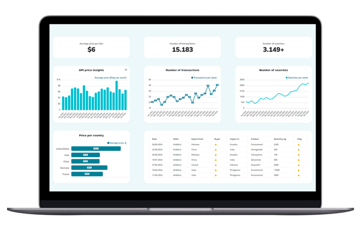
Get full market intelligence report
€399,-
All Bleomycin data. Full access. Full negotiation power
When insight is your advantage
Full data, full access, full negotiation power
Total market transparency Total market transparency
|
Supplier trade data access Supplier trade data access
|
Buyer / supplier flow comparison Buyer / supplier flow comparison
Trusted by 30,000+ registered pharma professionals:
Reach multinationals, SMEs, compounding pharmacies & more!
Procaps
Pfizer
Reckitt
Sanofi
Blau
Abbvie

Bleomycin | CAS No: 11056-06-7 | GMP-certified suppliers

A medication that supports palliative management of malignant respiratory tract neoplasms, squamous cell carcinomas, and select lymphomas to address key oncologic treatment needs.

Therapeutic categories

Amino Acids, Peptides, and ProteinsAntibiotics, AntineoplasticAntineoplastic AgentsAntineoplastic and Immunomodulating AgentsCarbohydratesCardiotoxic antineoplastic agents
Generic name
Bleomycin
Molecule type
small molecule
CAS number
11056-06-7
DrugBank ID
DB00290
Approval status
Approved drug, Investigational drug
ATC code
L01DC01

Primary indications

  • For palliative treatment in the management malignant neoplasm (trachea, bronchus, lung), squamous cell carcinoma, and lymphomas

Product Snapshot

  • Bleomycin is supplied as an injectable antitumor antibiotic in multiple lyophilized and solution powder formulations for parenteral use
  • It is used in oncology for malignant neoplasms of the trachea, bronchus, and lung, for squamous cell carcinoma, and for lymphomas
  • It is approved in the US and Canada with some investigational status noted in certain markets

Clinical Overview

Bleomycin (CAS 11056-06-7) is a mixture of structurally related glycopeptide antibiotics produced by Streptomyces verticillus, primarily composed of bleomycin A2 and B2. It is classified as a hybrid glycopeptide containing both peptide and carbohydrate components. Clinically, bleomycin is used in the palliative management of malignant neoplasms of the trachea, bronchus, and lung, as well as squamous cell carcinomas and specific lymphomas.

Bleomycin exhibits antitumor activity through selective inhibition of DNA synthesis, with reduced effects on RNA and protein synthesis at therapeutic concentrations. Its cytotoxicity is most pronounced during the G2 and M phases of the cell cycle. Pharmacodynamic studies show suppression of B cell, T cell, and macrophage proliferation, along with reduced antigen presentation and decreased secretion of interferon gamma, TNF alpha, and IL‑2. These immunomodulatory properties are secondary to its primary DNA-damaging activity.

The mechanism of action involves metal ion chelation, mainly with iron, forming a reactive complex that interacts with oxygen to generate free radicals. These species induce single- and double-strand DNA breaks, thereby impairing DNA replication and leading to cell death. The process is oxygen dependent and contributes to the drug’s antineoplastic effects across various solid tumor types.

Absorption following systemic administration is incomplete, and distribution is limited by low plasma protein binding. Bleomycin is primarily cleared by renal excretion, and reduced clearance in renal impairment increases systemic exposure. Pulmonary and dermatologic toxicities are the most significant safety concerns, with pulmonary fibrosis representing a dose-limiting risk. The compound is categorized as having a narrow therapeutic index, necessitating careful dosing and monitoring.

Common usage contexts include combination chemotherapy regimens for germ cell tumors and Hodgkin lymphoma, often under established brand formulations in parenteral form.

For API procurement, sourcing should prioritize manufacturers with demonstrated control of glycopeptide complexity, validated metal ion content limits, and robust characterization methods to ensure batch consistency and regulatory compliance.

Identification & chemistry

Generic name Bleomycin
Molecule type Small molecule
CAS 11056-06-7
UNII 40S1VHN69B
DrugBank ID DB00290

Pharmacology

SummaryBleomycin is an antitumor antibiotic that exerts its primary activity by inducing DNA strand breaks, largely through metal‑ion–dependent free‑radical formation in the presence of oxygen. This leads to inhibition of DNA synthesis, with secondary suppression of RNA and protein synthesis at higher concentrations, and produces cell‑cycle effects most prominent in the G2 and M phases. The drug also demonstrates immunosuppressive activity in vitro, including reduced proliferation of lymphoid and myeloid cells and diminished cytokine secretion.
Mechanism of actionAlthough the exact mechanism of action of bleomycin is unknown, available evidence would seem to indicate that the main mode of action is the inhibition of DNA synthesis with some evidence of lesser inhibition of RNA and protein synthesis. As evident in _in vitro_ studies, the DNA-cleaving actions of bleomycin is dependent on oxygen and metal ions. It is believed that bleomycin chelates metal ions (primarily iron) producing a pseudoenzyme that reacts with oxygen to produce superoxide and hydroxide free radicals that cleave DNA.
PharmacodynamicsBleomycin is an antibiotic which has been shown to have antitumor activity. Bleomycin selectively inhibits the synthesis of deoxyribonucleic acid (DNA). The guanine and cytosine content correlates with the degree of mitomycin-induced cross-linking. At high concentrations of the drug, cellular RNA and protein synthesis are also suppressed. Bleomycin has been shown <i>in vitro</i> to inhibit B cell, T cell, and macrophage proliferation and impair antigen presentation, as well as the secretion of interferon gamma, TNFa, and IL-2. The antibiotic antitumor drugs are cell cycle-nonspecific except for Bleomycin (which has major effects in G2 and M phases).
Targets
TargetOrganismActions
DNAHumanscleavage
DNA ligase 1Humansinhibitor
DNA ligase 3Humansinhibitor

ADME / PK

AbsorptionSystemic absorption is approximately 45%.
Half-life115 minutes
Protein binding1%
MetabolismHepatic
Route of eliminationIt was reported that patients with moderately severe renal failure excreted less than 20% of the dose in the urine.

Formulation & handling

  • Bleomycin is supplied as a lyophilized powder for parenteral use, requiring reconstitution immediately before administration due to limited aqueous solubility.
  • Its high molecular weight and glycopeptide structure make it unsuitable for oral delivery, with parenteral routes preferred to ensure bioavailability.
  • Handle under conditions that minimize moisture exposure and avoid excessive agitation, as the glycopeptide complex can be sensitive to hydrolysis and mechanical stress after reconstitution.

Regulatory status

LifecyclePatent protection for the API in the US and Canada is reaching or has passed typical expiry timelines, indicating a mature market stage. Both markets are characterized by established availability and increasing generic participation where patent barriers no longer apply.
MarketsUS, Canada
Supply Chain
Supply chain summaryBleomycin’s supply landscape includes the originator Bristol‑Myers Squibb alongside multiple established generic manufacturers that handle both production and packaging. Branded Bleomycin products such as Blenoxane have been commercially available in the US and Canada, indicating mature global distribution primarily in North American markets. Patent expiry has long passed, and the presence of several generic suppliers reflects an established and competitive generic market.

Safety

ToxicityExcessive exposure may cause fever, chills, nausea, vomiting, mental, confusion, and wheezing. Bleomycin may cause irritation to eyes, skin and respiratory tract. It may also cause a darkening or thickening of the skin. It may cause an allergic reaction.
High Level Warnings:
  • In concentrated form, the compound can produce systemic effects such as fever, chills, nausea, vomiting, respiratory irritation, and neurocognitive disturbances (e
  • G
  • , confusion) following excessive exposure

Bleomycin is a type of Cytostatic antibiotics


Cytostatic antibiotics are a subcategory of pharmaceutical active pharmaceutical ingredients (APIs) that play a crucial role in the treatment of various types of cancer. These antibiotics possess powerful cytostatic or cell-inhibiting properties, which impede the growth and division of cancer cells.

Cytostatic antibiotics work by selectively targeting and inhibiting specific enzymes and proteins necessary for the replication and proliferation of cancer cells. By interrupting these vital cellular processes, these APIs effectively hinder the progression of cancer and prevent the spread of malignant cells.

One prominent example of a cytostatic antibiotic is Doxorubicin, which belongs to the anthracycline class of antibiotics. Doxorubicin functions by intercalating with DNA molecules, preventing DNA replication and inhibiting the activity of topoisomerase enzymes. These mechanisms effectively impede the growth and division of cancer cells.

Another commonly used cytostatic antibiotic is Mitomycin C. It exerts its anticancer effects by inducing DNA cross-linking, leading to the inhibition of DNA synthesis and cell division. This antibiotic is particularly effective against a variety of solid tumors.

Cytostatic antibiotics are administered in different ways, such as intravenous injection or oral consumption, depending on the specific drug. These APIs are often used in combination with other chemotherapy agents or treatment modalities to achieve optimal therapeutic outcomes.

In conclusion, cytostatic antibiotics are a vital subcategory of pharmaceutical APIs used in cancer treatment. Their ability to inhibit cell growth and division makes them essential in combating various types of cancer, ultimately improving patient outcomes.


Bleomycin (Cytostatic antibiotics), classified under Anticancer drugs


Anticancer drugs belong to the pharmaceutical API (Active Pharmaceutical Ingredient) category designed specifically to combat cancer cells. These powerful medications play a crucial role in cancer treatment and are developed to target and destroy cancerous cells, preventing their growth and spread.

Anticancer drugs are classified based on their mode of action and can include various types such as chemotherapy drugs, targeted therapy drugs, immunotherapy drugs, and hormonal therapy drugs. Chemotherapy drugs work by interfering with the cell division process, thereby inhibiting the growth of cancer cells. Targeted therapy drugs, on the other hand, are designed to attack specific molecules or genes involved in cancer growth, minimizing damage to healthy cells. Immunotherapy drugs stimulate the body's immune system to recognize and destroy cancer cells. Hormonal therapy drugs are used in cancers that are hormone-dependent, such as breast or prostate cancer, to block the hormones that fuel cancer cell growth.

These APIs are typically synthesized through complex chemical processes in state-of-the-art manufacturing facilities. Stringent quality control measures ensure the purity, potency, and safety of these drugs. Anticancer APIs undergo rigorous testing and adhere to stringent regulatory guidelines before being approved for clinical use.

Due to their critical role in cancer treatment, anticancer drugs are in high demand worldwide. Researchers and pharmaceutical companies continually strive to develop new and more effective APIs in this category to enhance treatment outcomes and minimize side effects. The ongoing advancements in the field of anticancer drug development offer hope for improved cancer therapies and better patient outcomes.


Bleomycin API manufacturers & distributors

Compare qualified Bleomycin API suppliers worldwide. We currently have 2 companies offering Bleomycin API, with manufacturing taking place in 2 different countries. Use the table below to review supplier type, countries of origin, certifications, product portfolio and GMP audit availability.

SupplierTypeCountryProduct originCertificationsPortfolio
Distributor
United States World BSE/TSE, CEP, CoA, GMP, MSDS, USDMF441 products
Producer
China China CEP, CoA, GMP, USDMF, WC69 products

When sending a request, specify which Bleomycin API quality you need: for example EP (Ph. Eur.), USP, JP, BP, or another pharmacopoeial standard, as well as the required grade (base, salt, micronised, specific purity, etc.).

Use the list above to find high-quality Bleomycin API suppliers. For example, you can select GMP, FDA or ISO certified suppliers. Visit our help page to learn more about sourcing APIs via Pharmaoffer.

Frequently asked questions about Bleomycin API


Sourcing

What matters most when sourcing GMP-grade Bleomycin?
Key considerations include verifying GMP compliance and confirming that the manufacturer meets US and Canadian regulatory requirements. It is also important to source from established producers with a reliable track record in sterile oncology APIs. In a mature and competitive generic market, assessing supply stability and documentation consistency is essential.
Which documents are typically required when sourcing Bleomycin API?
Request the core API documentation set: CoA (2 companies), USDMF (2 companies), CEP (2 companies), GMP (2 companies), WC (1 company). Confirm versions and validity dates match the destination market to avoid delays in qualification.
Which manufacturers are known to produce Bleomycin API?
Known or reported manufacturers for Bleomycin: LGM Pharma. Evaluate their GMP history, scale, and regional coverage before requesting dossiers or allocating demand.
How can I request quotes for Bleomycin API from GMP suppliers?
Submit quote requests through the supplier listings with your specs and required documents (specifications, target volume, delivery timeline, and destination). Providing consistent details upfront speeds comparable offers and clarifies technical feasibility.
Is a GMP audit report available for Bleomycin manufacturers?
Audit reports may be requested for Bleomycin: 1 GMP audit report available. Confirm the scope and recency of any audit before relying on it for qualification decisions.
How many suppliers offer Bleomycin API on Pharmaoffer?
Reported supplier count for Bleomycin: 2 verified suppliers. Filter listings by certifications, regions, and delivery options to match your qualification plan.
Which countries are known to manufacture Bleomycin API?
Production countries reported for Bleomycin: China (1 producer). Knowing the manufacturing geography helps anticipate logistics lead times and import compliance needs.
Which certifications do suppliers of Bleomycin usually hold?
Common certifications for Bleomycin suppliers: CoA (2 companies), USDMF (2 companies), CEP (2 companies), GMP (2 companies), WC (1 company). Always verify issuing authorities and expiry dates when reviewing audit packages.

Technical

What is Bleomycin (CAS 11056-06-7) used for?
Bleomycin is used as an antineoplastic agent for solid tumors, including malignant neoplasms of the trachea, bronchus, and lung. It is also employed in the treatment of certain squamous cell carcinomas and specific lymphomas, including its use in combination chemotherapy regimens for Hodgkin lymphoma and germ cell tumors. Its therapeutic role is based on DNA strand–breaking activity mediated by iron‑dependent free‑radical formation.
Which therapeutic class does Bleomycin fall into?
Bleomycin belongs to the following therapeutic categories: Amino Acids, Peptides, and Proteins, Antibiotics, Antineoplastic, Antineoplastic Agents, Antineoplastic and Immunomodulating Agents, Carbohydrates. This positioning helps teams compare alternative APIs, anticipate pharmacology expectations, and align early research priorities.
What conditions is Bleomycin mainly prescribed for?
The primary indications for Bleomycin: For palliative treatment in the management malignant neoplasm (trachea, bronchus, lung), squamous cell carcinoma, and lymphomas. These use cases frame the target patient populations and help prioritize formulation and safety evaluations.
How does Bleomycin work?
Although the exact mechanism of action of Bleomycin is unknown, available evidence would seem to indicate that the main mode of action is the inhibition of DNA synthesis with some evidence of lesser inhibition of RNA and protein synthesis. As evident in _in vitro_ studies, the DNA-cleaving actions of Bleomycin is dependent on oxygen and metal ions. It is believed that Bleomycin chelates metal ions (primarily iron) producing a pseudoenzyme that reacts with oxygen to produce superoxide and hydroxide free radicals that cleave DNA.
What should someone know about the safety or toxicity profile of Bleomycin?
Bleomycin has a narrow therapeutic index, and excessive exposure can cause systemic effects such as fever, chills, nausea, vomiting, respiratory irritation, and neurocognitive disturbances. Pulmonary and dermatologic toxicities are key concerns, with pulmonary fibrosis representing a dose‑limiting risk that increases when clearance is reduced, such as in renal impairment. Careful dosing and monitoring are required because systemic exposure varies with renal function.
What are important formulation and handling considerations for Bleomycin as an API?
Bleomycin is formulated as a lyophilized powder for parenteral use and must be reconstituted immediately before administration because of its limited aqueous solubility. Moisture exposure should be minimized during handling, and excessive agitation should be avoided to reduce the risk of hydrolysis or mechanical stress to the glycopeptide complex. Its molecular structure and poor oral bioavailability restrict it to parenteral routes.
Is Bleomycin a small molecule?
Bleomycin is classified as a small molecule. That classification shapes process design, impurity profiling, and analytical control strategies.
Are there special stability concerns for oral Bleomycin?
Oral Bleomycin is not used because its high molecular weight and glycopeptide structure prevent reliable absorption, making oral delivery unsuitable. The product is formulated only as a lyophilized powder for parenteral use, where stability depends on protection from moisture and avoidance of excessive agitation after reconstitution. Therefore, stability considerations apply to the parenteral formulation, not to an oral form.

Regulatory

Where is Bleomycin approved or in use globally?
Bleomycin is reported as approved in the following major regions: US, Canada. Understanding geographic coverage informs regulatory filings, supply planning, and risk assessments before escalating procurement.

Pharmaoffer

How does Pharmaoffer’s Smart Sourcing Service help with Bleomycin procurement?
Pharmaoffer's Smart Sourcing Service coordinates compliant suppliers, documentation, and competitive quotes for Bleomycin. It centralizes outreach, follow-ups, and document validation to shorten procurement timelines.
Is Bleomycin included in the PRO Data Insights coverage?
PRO Data Insights coverage for Bleomycin: 341 verified transactions across 79 suppliers and 72 buyers worldwide. Use the dataset to benchmark suppliers and monitor regulatory activity where available.
Where can I access the API market report for Bleomycin?
Market report availability for Bleomycin: Report Available. The report highlights demand trends, pricing drivers, and supplier landscape insights for procurement planning.