Global API sourcing simplified
We connect API buyers and suppliers worldwide with speed, trust, and full transparency.

Filters

Filters
Filter
Custom request?
Type
Production region
Qualifications
Show more
Country of origin
Show more

Acarbose API Manufacturers & Suppliers

10 verified results
When insight is your advantage
Full data, full access, full negotiation power
Total market transparency Total market transparency
|
Supplier trade data access Supplier trade data access
|
Buyer / supplier flow comparison Buyer / supplier flow comparison

Commercial-scale Suppliers

Producer
Produced in  China
|

Employees: 10+

|
Audit Report: Currently Eurofins has no report for this supplier. Contact them to let them know you're interested!
Certifications: USDMF
|
BSE/TSE
|
CoA

All certificates

USDMF
BSE/TSE
CoA
Distributor
Produced in  Singapore
|

Employees: 50+

|
Audit Report: Currently Eurofins has no report for this supplier. Contact them to let them know you're interested!
Certifications: GMP
|
FDA
|
CEP
|
USDMF
|
EDMF/ASMF

All certificates

GMP
FDA
CEP
USDMF
EDMF/ASMF
MSDS
BSE/TSE
ISO9001
JDMF
WC
KDMF
CoA
Take control of your API sourcing
Submit a Special Inquiry and have Pharmaoffer activate verified suppliers.
Producer
Produced in  Czech Republic
|
Audit Report: Currently Eurofins has no report for this supplier. Contact them to let them know you're interested!
Certifications: CoA

All certificates

CoA
Distributor
Produced in  China
|

Employees: 50+

|
Audit Report: Currently Eurofins has no report for this supplier. Contact them to let them know you're interested!
Certifications: GMP
|
USDMF
|
MSDS
|
ISO9001
|
CoA

All certificates

GMP
USDMF
MSDS
ISO9001
CoA
Producer
Produced in  China
|
Audit Report: Click here for more information on Eurofins audit reports
Certifications: GMP
|
CEP
|
USDMF
|
coa

All certificates

GMP
CEP
USDMF
coa
Producer
Produced in  China
|
Audit Report: Click here for more information on Eurofins audit reports
Certifications: USDMF
|
JDMF
|
CoA
|
WC

All certificates

USDMF
JDMF
CoA
WC
Get full market intelligence report
€399,-
All Acarbose data. Full access. Full negotiation power
Producer
Produced in  China
|
Audit Report: Currently Eurofins has no report for this supplier. Contact them to let them know you're interested!
Certifications: CEP
|
coa

All certificates

CEP
coa
Producer
Produced in  South Korea
|
Audit Report: Click here for more information on Eurofins audit reports
Certifications: GMP
|
CEP
|
USDMF
|
coa

All certificates

GMP
CEP
USDMF
coa
Get full market intelligence report
€399,-
All Acarbose data. Full access. Full negotiation power
Distributor
Produced in  China
|
Audit Report: Currently Eurofins has no report for this supplier. Contact them to let them know you're interested!
Certifications: coa

All certificates

coa
Not active
Producer
Produced in  Unknown
|
Audit Report: Currently Eurofins has no report for this supplier. Contact them to let them know you're interested!
Certifications: GMP
|
CEP
|
USDMF
|
coa
|
KDMF

All certificates

GMP
CEP
USDMF
coa
KDMF
Not active
When insight is your advantage
Full data, full access, full negotiation power
Total market transparency Total market transparency
|
Supplier trade data access Supplier trade data access
|
Buyer / supplier flow comparison Buyer / supplier flow comparison
Trusted by 30,000+ registered pharma professionals:
Reach multinationals, SMEs, compounding pharmacies & more!
Procaps
Pfizer
Reckitt
Sanofi
Blau
Abbvie

Acarbose | CAS No: 56180-94-0 | GMP-certified suppliers

A medication that supports improved glycemic control in adults with type 2 diabetes when used alongside dietary and lifestyle measures, suited for reliable API sourcing needs.

Therapeutic categories

Alimentary Tract and MetabolismBlood Glucose Lowering AgentsCarbohydratesDrugs that are Mainly Renally ExcretedDrugs Used in DiabetesEnzyme Inhibitors
Generic name
Acarbose
Molecule type
small molecule
CAS number
56180-94-0
DrugBank ID
DB00284
Approval status
Approved drug, Investigational drug
ATC code
A10BD17

Primary indications

  • Acarbose is indicated as an adjunct to diet and exercise to improve glycemic control in adults with type 2 diabetes mellitus

Product Snapshot

  • Acarbose is an oral small‑molecule product supplied in tablet form
  • It is used to support glycemic control in adults with type 2 diabetes
  • It holds approvals in the US and Canada, with both approved and investigational regulatory statuses noted

Clinical Overview

Acarbose (CAS 56180-94-0) is an oral alpha‑glucosidase inhibitor indicated as an adjunct to diet and exercise for improving glycemic control in adults with type 2 diabetes. It is a complex aminocyclitol‑containing oligosaccharide that limits the enzymatic breakdown of dietary carbohydrates within the small intestine, thereby reducing postprandial glucose excursions.

The drug competitively and reversibly inhibits both pancreatic alpha‑amylase in the intestinal lumen and membrane‑bound alpha‑glucosidases located on the brush border. Among the alpha‑glucosidases, inhibitory potency is highest for glucoamylase, followed by sucrase, maltase, and isomaltase. By slowing the conversion of complex carbohydrates and disaccharides into absorbable monosaccharides, acarbose reduces the rate and extent of carbohydrate absorption and lowers postprandial insulin demand. Therapeutic activity requires the presence of an ingested carbohydrate load, and dosing is typically aligned with the first bite of each main meal.

Systemic absorption is minimal, and most of the active compound remains within the gastrointestinal lumen. Absorbed fractions are primarily renally excreted. Limited systemic exposure contributes to a low intrinsic risk of hypoglycemia, although hypoglycemic episodes can occur when acarbose is used with insulin or insulin secretagogues. Gastrointestinal effects such as flatulence, abdominal discomfort, and diarrhea are dose related and linked to fermentation of undigested carbohydrates in the colon. Rare cases of pneumatosis cystoides intestinalis have been reported with alpha‑glucosidase inhibitors and warrant diagnostic evaluation and discontinuation if suspected.

Acarbose was first approved in the United States under the brand name Precose and remains part of the global therapeutic toolbox for postprandial glucose control, although use varies by region due to dosing frequency and tolerability considerations.

For API procurement, suppliers should provide robust characterization of identity, purity, and carbohydrate‑related impurities, along with process controls that ensure batch consistency for this complex oligosaccharide.

Identification & chemistry

Generic name Acarbose
Molecule type Small molecule
CAS 56180-94-0
UNII T58MSI464G
DrugBank ID DB00284

Pharmacology

SummaryAcarbose is an intestinal alpha‑glucosidase and pancreatic alpha‑amylase inhibitor that slows the enzymatic breakdown of complex carbohydrates into absorbable monosaccharides. By delaying carbohydrate digestion, it attenuates postprandial glucose and insulin excursions. Its therapeutic effect is mediated through reversible inhibition of targets including maltase‑glucoamylase, sucrase‑isomaltase, and pancreatic alpha‑amylase.
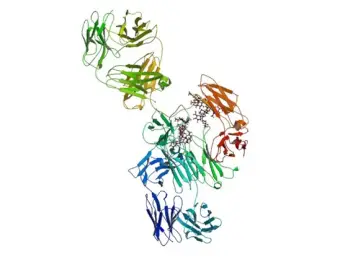
Mechanism of actionAlpha-glucosidase enzymes are located in the brush-border of the intestinal mucosa and serve to metabolize oligo-, tri-, and disaccharides (e.g. sucrose) into smaller monosaccharides (e.g. glucose, fructose) which are more readily absorbed.These work in conjunction with pancreatic alpha-amylase, an enzyme found in the intestinal lumen that hydrolyzes complex starches to oligosaccharides. Acarbose is a complex oligosaccharide that competitively and reversibly inhibits both pancreatic alpha-amylase and membrane-bound alpha-glucosidases - of the alpha-glucosidases, inhibitory potency appears to follow a rank order of glucoamylase > sucrase > maltase > isomaltase.By preventing the metabolism and subsequent absorption of dietary carbohydrates, acarbose reduces postprandial blood glucose and insulin levels.
PharmacodynamicsAcarbose is a complex oligosaccharide that competitively inhibits the ability of brush-border alpha-glucosidase enzymes to break down ingested carbohydrates into absorbable monosaccharides, reducing carbohydrate absorption and subsequent postprandial insulin levels.Acarbose requires the co-administration of carbohydrates in order to exert its therapeutic effect, and as such should be taken with the first bite of a meal three times daily. Given its mechanism of action, acarbose in isolation poses little risk of contributing to hypoglycemia - this risk is more pronounced, however, when acarbose is used in conjunction with other antidiabetic therapies (e.g. sulfonylureas, insulin).Patients maintained on acarbose in addition to other antidiabetic agents should be aware of the symptoms and risks of hypoglycemia and how to treat hypoglycemic episodes. There have been rare post-marketing reports of the development of pneumatosis cystoides intestinalis following treatment with alpha-glucosidase inhibitors - patients experiencing significant diarrhea/constipation, mucus discharge, and/or rectal bleeding should be investigated and, if pneumatosis cystoides intestinalis is suspected, should discontinue therapy.
Targets
TargetOrganismActions
Maltase-glucoamylase, intestinalHumansinhibitor
Sucrase-isomaltase, intestinalHumansinhibitor
Pancreatic alpha-amylaseHumansinhibitor

ADME / PK

AbsorptionThe oral bioavailability of acarbose is extremely minimal, with less than 1-2% of orally administered parent drug reaching the systemic circulation. Despite this, approximately 35% of the total radioactivity from a radiolabeled and orally administered dose of acarbose reaches the systemic circulation, with peak plasma radioactivity occurring 14-24 hours after dosing - this delay is likely reflective of metabolite absorption rather than absorption of the parent drug. As acarbose is intended to work within the gut, its minimal degree of oral bioavailability is therapeutically desirable.
Half-lifeIn healthy volunteers, the plasma elimination half-life of acarbose is approximately 2 hours.
Protein bindingAs only 1-2% of an orally administered dose is absorbed into the circulation, acarbose is unlikely to be subject to clinically relevant protein binding.
MetabolismAcarbose is extensively metabolized within the gastrointestinal tract, primarily by intestinal bacteria and to a lesser extent by digestive enzymes, into at least 13 identified metabolites. Approximately 1/3 of these metabolites are absorbed into the circulation where they are subsequently renally excreted. The major metabolites appear to be methyl, sulfate, and glucuronide conjugates of 4-methylpyrogallol. Only one metabolite - resulting from the cleavage of a glucose molecule from acarbose - has been identified as having alpha-glucosidase inhibitory activity.
Route of eliminationRoughly half of an orally administered dose is excreted in the feces within 96 hours of administration.What little drug material is absorbed into the systemic circulation (approximately 34% of an orally administered dose) is excreted primarily by the kidneys, suggesting renal excretion would be a significant route of elimination if the parent drug was more readily absorbed - this is further supported by data in which approximately 89% of an intravenously administered dose of acarbose was excreted in the urine as active drug (in comparison to <2% following oral administration) within 48 hours.

Formulation & handling

  • High aqueous solubility and very low logP favor conventional oral solid dosage forms, with minimal need for solubilization technologies.
  • As a large, highly hydrophilic small molecule, permeability is low, so formulations generally focus on ensuring uniform dispersion and rapid disintegration in the GI tract rather than enhancing absorption.
  • Food-dependent activity requires administration with meals, but from a formulation perspective the API is chemically stable and handled as a standard solid with no special protection needs.

Regulatory status

LifecyclePatent protection in the US and Canada is either expired or approaching expiry, indicating a mature market with established generic participation. As a result, the API is in a late‑lifecycle phase with stable but limited growth potential.
MarketsUS, Canada
Supply Chain
Supply chain summaryAcarbose has an established supply landscape with the original product developed by Bayer and multiple U.S.-based manufacturers now producing it, reflecting a mature, multi‑source environment. The product is marketed in the United States and Canada, with numerous packagers supporting broad distribution. Patent expiry occurred years ago, and the presence of several manufacturers indicates existing generic competition.

Safety

ToxicityThe symptoms of acarbose overdose are likely to be consistent with its adverse effect profile and may therefore include significant gastrointestinal (GI) symptoms (flatulence, distension, etc), although an overdose on an empty stomach (i.e. when not co-administered with food) is less likely to result in these GI symptoms.In the event of an overdose, patients should be instructed to avoid carbohydrate-containing foods for 4-6 hours following administration as these can precipitate the aforementioned GI symptoms.
High Level Warnings:
  • Overexposure is primarily associated with gastrointestinal effects such as flatulence and abdominal distension, reflecting its mechanism of inhibiting carbohydrate breakdown
  • Severity of GI symptoms is influenced by the presence of dietary carbohydrates at the time of exposure
  • No systemic toxicity is typically observed, as acarbose exhibits minimal systemic absorption

Acarbose is a type of Glycemic Agents


Glycemic agents are a category of pharmaceutical active pharmaceutical ingredients (APIs) that are widely used in the treatment of diabetes mellitus. These agents play a crucial role in managing blood glucose levels and improving glycemic control in individuals with diabetes.

One of the key classes of glycemic agents is oral hypoglycemic agents, which are taken by mouth and help lower blood sugar levels. This class includes various subclasses such as sulfonylureas, biguanides, meglitinides, and alpha-glucosidase inhibitors. Sulfonylureas stimulate the release of insulin from the pancreas, while biguanides decrease the production of glucose in the liver and improve insulin sensitivity. Meglitinides work by stimulating insulin secretion, and alpha-glucosidase inhibitors slow down the absorption of carbohydrates from the intestine.

Another important class of glycemic agents is injectable insulin. Insulin is a hormone that regulates glucose metabolism in the body. It is administered via subcutaneous injections and comes in different forms, including short-acting, intermediate-acting, and long-acting insulin. These different formulations allow for precise control of blood glucose levels throughout the day.

Glycemic agents are prescribed based on various factors such as the type of diabetes, severity of the condition, and individual patient characteristics. They are typically used in combination with dietary modifications and lifestyle changes to achieve optimal glycemic control.

Overall, glycemic agents are vital components in the management of diabetes, helping individuals maintain stable blood sugar levels and reducing the risk of complications associated with uncontrolled diabetes.

Acarbose API manufacturers & distributors

Compare qualified Acarbose API suppliers worldwide. We currently have 10 companies offering Acarbose API, with manufacturing taking place in 5 different countries. Use the table below to review supplier type, countries of origin, certifications, product portfolio and GMP audit availability.

SupplierTypeCountryProduct originCertificationsPortfolio
Producer
China China BSE/TSE, CoA, USDMF229 products
Distributor
Singapore Singapore BSE/TSE, CEP, CoA, EDMF/ASMF, FDA, GMP, ISO9001, JDMF, KDMF, MSDS, USDMF, WC200 products
Producer
Germany Unknown CEP, CoA, GMP, KDMF, USDMF42 products
Producer
South Korea South Korea CEP, CoA, GMP, USDMF12 products
Producer
China China CEP, CoA, GMP, USDMF4 products
Producer
China China CEP, CoA4 products
Distributor
China China CoA162 products
Distributor
China China CoA, GMP, ISO9001, MSDS, USDMF762 products
Producer
Czech Republic Czech Republic CoA136 products
Producer
China China CoA, JDMF, USDMF, WC69 products

When sending a request, specify which Acarbose API quality you need: for example EP (Ph. Eur.), USP, JP, BP, or another pharmacopoeial standard, as well as the required grade (base, salt, micronised, specific purity, etc.).

Use the list above to find high-quality Acarbose API suppliers. For example, you can select GMP, FDA or ISO certified suppliers. Visit our help page to learn more about sourcing APIs via Pharmaoffer.

Frequently asked questions about Acarbose API


Sourcing

What matters most when sourcing GMP-grade Acarbose?
Key considerations include verifying GMP compliance and ensuring the manufacturer meets U.S. and Canadian regulatory requirements. Given the mature, multi‑source supply landscape, confirming consistent quality systems and reliable batch-to-batch performance is essential. It is also important to assess the supplier’s history in producing Acarbose within this established generic environment.
Which documents are typically required when sourcing Acarbose API?
Request the core API documentation set: CoA (11 companies), USDMF (7 companies), GMP (6 companies), CEP (5 companies), MSDS (3 companies). Confirm versions and validity dates match the destination market to avoid delays in qualification.
Which manufacturers are known to produce Acarbose API?
Known or reported manufacturers for Acarbose: Xi'an Tian Guangyuan Biotech Co.,Ltd, Apino Pharma Co., Ltd., Sinoway industrial Co.,Ltd, Apollo Healthcare Resources (Singapore), Veeprho Group. Evaluate their GMP history, scale, and regional coverage before requesting dossiers or allocating demand.
How can I request quotes for Acarbose API from GMP suppliers?
Submit quote requests through the supplier listings with your specs and required documents (specifications, target volume, delivery timeline, and destination). Providing consistent details upfront speeds comparable offers and clarifies technical feasibility.
Is a GMP audit report available for Acarbose manufacturers?
Audit reports may be requested for Acarbose: 3 GMP audit reports available. Confirm the scope and recency of any audit before relying on it for qualification decisions.
How many suppliers offer Acarbose API on Pharmaoffer?
Reported supplier count for Acarbose: 11 verified suppliers. Filter listings by certifications, regions, and delivery options to match your qualification plan.
Which countries are known to manufacture Acarbose API?
Production countries reported for Acarbose: China (7 producers), Singapore (1 producer), Czech Republic (1 producer). Knowing the manufacturing geography helps anticipate logistics lead times and import compliance needs.
Which certifications do suppliers of Acarbose usually hold?
Common certifications for Acarbose suppliers: CoA (11 companies), USDMF (7 companies), GMP (6 companies), CEP (5 companies), MSDS (3 companies). Always verify issuing authorities and expiry dates when reviewing audit packages.

Technical

What is Acarbose (CAS 56180-94-0) used for?
Acarbose is used as an adjunct to diet and exercise to improve glycemic control in adults with type 2 diabetes. It slows the enzymatic breakdown of dietary carbohydrates in the small intestine, reducing postprandial glucose excursions. By limiting carbohydrate absorption, it helps lower postprandial blood glucose and insulin levels.
Which therapeutic class does Acarbose fall into?
Acarbose belongs to the following therapeutic categories: Alimentary Tract and Metabolism, Blood Glucose Lowering Agents, Carbohydrates, Drugs that are Mainly Renally Excreted, Drugs Used in Diabetes. This positioning helps teams compare alternative APIs, anticipate pharmacology expectations, and align early research priorities.
What conditions is Acarbose mainly prescribed for?
The primary indications for Acarbose: Acarbose is indicated as an adjunct to diet and exercise to improve glycemic control in adults with type 2 diabetes mellitus. These use cases frame the target patient populations and help prioritize formulation and safety evaluations.
How does Acarbose work?
Alpha-glucosidase enzymes are located in the brush-border of the intestinal mucosa and serve to metabolize oligo-, tri-, and disaccharides (e.g. sucrose) into smaller monosaccharides (e.g. glucose, fructose) which are more readily absorbed.These work in conjunction with pancreatic alpha-amylase, an enzyme found in the intestinal lumen that hydrolyzes complex starches to oligosaccharides. Acarbose is a complex oligosaccharide that competitively and reversibly inhibits both pancreatic alpha-amylase and membrane-bound alpha-glucosidases - of the alpha-glucosidases, inhibitory potency appears to follow a rank order of glucoamylase > sucrase > maltase > isomaltase.By preventing the metabolism and subsequent absorption of dietary carbohydrates, Acarbose reduces postprandial blood glucose and insulin levels.
What should someone know about the safety or toxicity profile of Acarbose?
Acarbose has a predominantly gastrointestinal safety profile, with flatulence, abdominal discomfort, and distension arising from delayed carbohydrate digestion and fermentation. These effects are more pronounced when dietary carbohydrate intake is high at the time of exposure. Systemic toxicity is not expected because systemic absorption is minimal, though rare cases of pneumatosis cystoides intestinalis have been reported with this drug class. Hypoglycemia can occur only when Acarbose is combined with insulin or insulin secretagogues.
What are important formulation and handling considerations for Acarbose as an API?
Acarbose’s high aqueous solubility and low permeability support use in conventional oral solid forms that emphasize uniform dispersion and rapid disintegration. Because activity occurs in the gastrointestinal lumen and systemic absorption is minimal, no absorption‑enhancing technologies are typically required. The API is chemically stable and handled as a standard solid without special protection measures. Food‑dependent activity is clinical in nature and does not impose additional formulation handling requirements.
Is Acarbose a small molecule?
Acarbose is classified as a small molecule. That classification shapes process design, impurity profiling, and analytical control strategies.
Are there special stability concerns for oral Acarbose?
Acarbose is chemically stable in conventional oral solid dosage forms and does not require special protection from moisture, light, or heat beyond standard good manufacturing practices. Its high aqueous solubility and hydrophilicity support routine tablet processing, with formulation efforts focused on uniform dispersion and rapid disintegration rather than stability enhancement. No unusual stability concerns specific to oral administration are noted in the provided context.

Regulatory

Where is Acarbose approved or in use globally?
Acarbose is reported as approved in the following major regions: US, Canada. Understanding geographic coverage informs regulatory filings, supply planning, and risk assessments before escalating procurement.
What’s the regulatory and patent landscape for Acarbose right now?
In the US and Canada, Acarbose is regulated as an approved prescription drug. The provided information does not indicate any active patent protections for this ingredient.

Pharmaoffer

How does Pharmaoffer’s Smart Sourcing Service help with Acarbose procurement?
Pharmaoffer's Smart Sourcing Service coordinates compliant suppliers, documentation, and competitive quotes for Acarbose. It centralizes outreach, follow-ups, and document validation to shorten procurement timelines.
Is Acarbose included in the PRO Data Insights coverage?
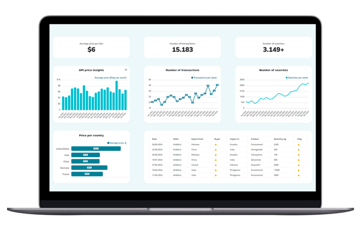
PRO Data Insights coverage for Acarbose: 701 verified transactions across 192 suppliers and 133 buyers worldwide. Use the dataset to benchmark suppliers and monitor regulatory activity where available.
Where can I access the API market report for Acarbose?
Market report availability for Acarbose: Report Available. The report highlights demand trends, pricing drivers, and supplier landscape insights for procurement planning.