Global API sourcing simplified
We connect API buyers and suppliers worldwide with speed, trust, and full transparency.

Filters

Filters
Filter
Custom request?
Type
Production region
Qualifications
Show more
Country of origin

Degarelix API Manufacturers & Suppliers

7 verified results

Small-Quantity API Packs

Degarelix API
1g
Degarelix API | 1g
Produced in China | COA | GMP certified $ 553
Degarelix API
2g
Degarelix API | 2g
Produced in China | COA | GMP certified $ 1,106
Degarelix API
5g
Degarelix API | 5g
Produced in China | COA | GMP certified $ 2,765
Degarelix API
Custom
Degarelix API | Custom
Produced in China | COA | GMP certified On Request

Commercial-scale Suppliers

Producer
Produced in  China
|

Employees: 10+

|
Audit Report: Currently Eurofins has no report for this supplier. Contact them to let them know you're interested!
Certifications: USDMF
|
BSE/TSE
|
CoA

All certificates

USDMF
BSE/TSE
CoA
Distributor
Produced in  United States
|

Employees: 50+

|
Audit Report: Click here for more information on Eurofins audit reports
Certifications: GMP
|
USDMF
|
MSDS
|
BSE/TSE
|
ISO9001

All certificates

GMP
USDMF
MSDS
BSE/TSE
ISO9001
CoA
Take control of your API sourcing
Submit a Special Inquiry and have Pharmaoffer activate verified suppliers.
Producer
Produced in  China
|

Employees: 373

|
Audit Report: Currently Eurofins has no report for this supplier. Contact them to let them know you're interested!
Certifications: GMP
|
USDMF
|
EDMF/ASMF
|
MSDS
|
BSE/TSE

All certificates

GMP
USDMF
EDMF/ASMF
MSDS
BSE/TSE
JDMF
KDMF
CoA
Distributor
Produced in  China
|

Employees: 50+

|
Audit Report: Currently Eurofins has no report for this supplier. Contact them to let them know you're interested!
Certifications: USDMF
|
ISO9001
|
CoA

All certificates

USDMF
ISO9001
CoA
Producer
Produced in  China
|

Employees: 1000+

|
Audit Report: Currently Eurofins has no report for this supplier. Contact them to let them know you're interested!
Certifications: GMP
|
USDMF
|
MSDS
|
BSE/TSE
|
CoA

All certificates

GMP
USDMF
MSDS
BSE/TSE
CoA
Producer
Produced in  China
|
Audit Report: Currently Eurofins has no report for this supplier. Contact them to let them know you're interested!
Certifications: coa

All certificates

coa
Get full market intelligence report
€399,-
All Degarelix data. Full access. Full negotiation power
Producer
Produced in  Sweden
|
Audit Report: Currently Eurofins has no report for this supplier. Contact them to let them know you're interested!
Certifications: GMP
|
CoA

All certificates

GMP
CoA
Not active
When insight is your advantage
Full data, full access, full negotiation power
Total market transparency Total market transparency
|
Supplier trade data access Supplier trade data access
|
Buyer / supplier flow comparison Buyer / supplier flow comparison
Trusted by 30,000+ registered pharma professionals:
Reach multinationals, SMEs, compounding pharmacies & more!
Procaps
Pfizer
Reckitt
Sanofi
Blau
Abbvie

Degarelix | CAS No: 214766-78-6 | GMP-certified suppliers

A medication that treats advanced hormone-dependent and high-risk localized prostate cancer by providing sustained androgen deprivation therapy to inhibit tumor growth.

Therapeutic categories

Amino Acids, Peptides, and ProteinsAntineoplastic AgentsAntineoplastic and Immunomodulating AgentsDecreased GnRH SecretionEndocrine TherapyGonadotropin Releasing Hormone Receptor Antagonists
Generic name
Degarelix
Molecule type
small molecule
CAS number
214766-78-6
DrugBank ID
DB06699
Approval status
Approved drug
ATC code
L02BX02

Primary indications

  • In Canada and the US, degarelix is indicated for the treatment of advanced prostate cancer in patients requiring androgen deprivation therapy
  • In the EU, it is more specifically indicated for the treatment of adult male patients with advanced hormone-dependent prostate cancer, and for treatment of high-risk localized and locally advanced hormone-dependent prostate cancer, in combination with radiotherapy or as a neo-adjuvant prior to radiotherapy

Product Snapshot

  • Degarelix is a subcutaneous injectable peptide formulated as a lyophilized powder for solution
  • It is primarily used for androgen deprivation therapy in advanced hormone-dependent prostate cancer
  • Degarelix is approved for use in the US, Canada, and the EU

Clinical Overview

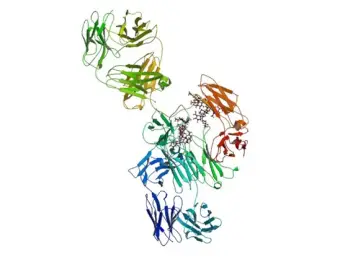
Degarelix (CAS number 214766-78-6) is a synthetic linear decapeptide amide containing seven unnatural amino acids, including five D-amino acids. It is chemically classified within the polypeptide class of compounds. Degarelix is primarily indicated for the treatment of advanced prostate cancer requiring androgen deprivation therapy. Regulatory approvals include the United States, Canada, and the European Union, with the EU also specifying its use for high-risk localized and locally advanced hormone-dependent prostate cancer, both in combination with radiotherapy and as neoadjuvant prior to radiotherapy.

Pharmacodynamically, degarelix acts as a gonadotropin-releasing hormone (GnRH) receptor antagonist. By competitively binding to GnRH receptors in the pituitary gland, degarelix inhibits the receptor’s interaction with endogenous GnRH. This blockade leads to a concentration-dependent suppression of luteinizing hormone (LH) and follicle-stimulating hormone (FSH) release. The subsequent reduction in LH levels results in decreased testosterone synthesis by the testes, which is therapeutically relevant because testosterone promotes prostate cancer cell growth.

The mechanism of action of degarelix thus involves direct antagonism at the pituitary GnRH receptor, differentiating it from GnRH agonists that initially stimulate hormone release before downregulation. This antagonism leads to rapid and sustained suppression of testosterone without the initial surge in hormone levels seen with agonists, potentially reducing tumor flare risk.

Key pharmacokinetic parameters specific to degarelix’s absorption, distribution, metabolism, and excretion (ADME) are not detailed herein; however, as a peptide compound, it is administered parenterally to maintain bioavailability. Safety considerations include vigilance for potential QTc interval prolongation. This effect warrants ECG monitoring in susceptible patients and consideration during polypharmacy.

Notable marketed formulations include the FDA-approved injectable formulations used in clinical oncology practice since 2008. For API sourcing, ensuring peptide synthesis purity and compliance with relevant pharmacopeial standards is critical given the complexity of unnatural amino acid incorporation and structural fidelity. Quality control should emphasize characterization of peptide sequence, stereochemistry, and absence of impurities to meet stringent regulatory and therapeutic requirements.

Identification & chemistry

Generic name Degarelix
Molecule type Small molecule
CAS 214766-78-6
UNII SX0XJI3A11
DrugBank ID DB06699

Pharmacology

SummaryDegarelix is a GnRH receptor antagonist that inhibits the binding of endogenous gonadotropin-releasing hormone to its pituitary receptors, resulting in decreased secretion of luteinizing hormone (LH) and follicle-stimulating hormone (FSH). This suppression reduces testosterone production by the testes, which is essential for the growth and progression of hormone-dependent prostate cancer. The drug’s primary pharmacodynamic effect is a concentration-dependent decrease in gonadotropin and androgen levels.
Mechanism of actionDegarelix competitively inhibits GnRH receptors in the pituitary gland, preventing the release of luteinizing hormone (LH) and follicle stimulating hormone. Reduced LH suppresses testosterone release, which slows the growth and reduces the size of prostate cancers.
PharmacodynamicsDegarelix is a synthetic derivative of GnRH decapeptide, the ligand of the GnRH receptor. Gonadotropin and androgen production result from the binding of endogenous GnRH to the GnRH receptor. Degarelix antagonizes the GnRH receptor which in turn blocks the release of LH and FSH from the pituitary. LF and FSH decreases in a concentration-dependent manner. The reduction in LH leads to a decrease in testosterone release from the testes.
Targets
TargetOrganismActions
Gonadotropin-releasing hormone receptorHumansantagonist

ADME / PK

AbsorptionDegarelix forms a depot at the site of injection after subcutaneous administration from which the drug slowly released into circulation. After a single bolus dose of 2mg/kg, peak plasma concentrations of degarelix occured within 6 hours at a concentration of 330 ng/mL. Ki = 0.082 ng/mL and 93% of receptors were fully suppressed; MRT = 4.5 days.
Half-lifeTerminal half-life: 41.5 - 70.2 days; Absorption half-life: 32.9 hours; Half-life from injection site: 1.17 days.
Protein binding90% of the drug is bound to plasma proteins.
Metabolism70% - 80% of degarelix is subject to peptide hydrolysis during its passage through the hepatobiliary system and then fecally eliminated. No active or inactive metabolites or involvement of CYP450 isozymes.
Route of eliminationFecal (70% to 80%) and renal (20%-30% of unchanged drug)
Volume of distributionCentral compartment: 8.88 - 11.4 L; Peripheral compartment: 40.9 L
ClearanceFollowing subcutaneous administration of degarelix to prostate cancer patients the clearance is approximately 9 L/hr.

Formulation & handling

  • Degarelix is a small molecule peptide administered exclusively via subcutaneous injection as a lyophilized powder or solution requiring reconstitution. Its low water solubility necessitates formulation strategies to ensure adequate dissolution and stability in injectable preparations. Given its peptide nature, handling under controlled temperature and protection from enzymatic degradation is critical to maintain potency.

Regulatory status

LifecycleThe API has patent protection in Canada that expired in 2018 and in the United States with key expirations between 2021 and 2032, indicating a staggered patent lifecycle. It is currently marketed in the US, Canada, and the EU, reflecting varying levels of market maturity across these regions.
MarketsUS, Canada, EU
Supply Chain
Supply chain summaryDegarelix is produced by a limited number of originator companies, with branded products primarily marketed under the name Firmagon across the US, Canada, and EU. Multiple patents protect the product, with key US patents extending into the early 2030s, indicating active patent protection and limited presence of generic competition in major markets.

Safety

ToxicityThe most commonly observed adverse reactions (> 10%) during degarelix therapy included injection site reactions (e.g., pain, erythema, swelling, or induration), hot flashes, increased weight, and increases in serum levels of transaminases and gamma-glutamyltransferase (GGT).
High Level Warnings:
  • May cause localized injection site reactions including pain, erythema, swelling, and induration
  • Potential for systemic effects such as elevated serum transaminases and gamma-glutamyltransferase levels
  • Handling precautions advised due to possible induction of hot flashes and weight increase in exposed individuals

Degarelix is a type of Gonadotrophic


Gonadotrophic is a subcategory of pharmaceutical active pharmaceutical ingredients (APIs) that plays a crucial role in reproductive health. It includes a group of naturally occurring hormones known as gonadotropins, which are produced by the pituitary gland. These hormones, namely follicle-stimulating hormone (FSH) and luteinizing hormone (LH), regulate the reproductive processes in both males and females.

Gonadotrophic APIs are commonly used in various medical applications, particularly in the field of assisted reproductive technology (ART) and fertility treatments. They stimulate the development of ovarian follicles in females, promoting ovulation and enhancing the chances of successful conception. In males, these APIs stimulate the production of sperm cells and support the production of testosterone.

The pharmaceutical industry produces gonadotrophic APIs through advanced biotechnology techniques, such as recombinant DNA technology. This process involves the use of genetically engineered cells, typically from Chinese hamster ovary (CHO) cells, to produce highly pure and bioactive forms of FSH and LH.

Gonadotrophic APIs are typically formulated into injectable preparations, ensuring their efficient delivery and absorption into the bloodstream. These formulations are administered under the guidance of healthcare professionals and require precise dosing to achieve optimal therapeutic outcomes.

Overall, gonadotrophic APIs have revolutionized the field of reproductive medicine, providing effective solutions for infertility and hormonal imbalances. Their usage has helped countless individuals and couples to overcome fertility challenges and realize their dreams of starting a family.


Degarelix (Gonadotrophic), classified under Hormonal Agents


Hormonal agents are a prominent category of pharmaceutical active pharmaceutical ingredients (APIs) widely used in the medical field. These substances play a crucial role in regulating and modulating hormonal functions within the body. Hormonal agents are designed to mimic or manipulate the effects of naturally occurring hormones, allowing healthcare professionals to treat various endocrine disorders and hormonal imbalances.

Hormonal agents are commonly employed in the treatment of conditions such as hypothyroidism, hyperthyroidism, diabetes, and hormonal cancers. These APIs work by interacting with specific hormone receptors, either by stimulating or inhibiting their activity, to restore the balance of hormones in the body. They can be administered orally, intravenously, or through other routes depending on the specific medication and patient needs.

Pharmaceutical companies employ rigorous manufacturing processes and quality control measures to ensure the purity, potency, and safety of hormonal agent APIs. These APIs are synthesized using chemical or biotechnological methods, often starting from natural hormone sources or through recombinant DNA technology. Stringent regulatory guidelines are in place to guarantee the efficacy and safety of hormonal agent APIs, ensuring that patients receive high-quality medications.

As the demand for hormone-related therapies continues to grow, ongoing research and development efforts focus on enhancing the effectiveness and reducing the side effects of hormonal agent APIs. This includes the exploration of novel delivery systems, advanced formulations, and targeted drug delivery methods. By continuously advancing our understanding and capabilities in hormonal agents, the medical community can improve patient outcomes and quality of life for individuals with hormonal disorders.


Degarelix API manufacturers & distributors

Compare qualified Degarelix API suppliers worldwide. We currently have 7 companies offering Degarelix API, with manufacturing taking place in 3 different countries. Use the table below to review supplier type, countries of origin, certifications, product portfolio and GMP audit availability.

SupplierTypeCountryProduct originCertificationsPortfolio
Producer
China China BSE/TSE, CoA, USDMF229 products
Producer
China China CoA11 products
Producer
China China BSE/TSE, CoA, GMP, MSDS, USDMF34 products
Producer
Sweden Sweden CoA, GMP21 products
Distributor
United States United States BSE/TSE, CoA, GMP, ISO9001, MSDS, USDMF144 products
Distributor
China China CoA, ISO9001, USDMF757 products
Producer
China China BSE/TSE, CoA, EDMF/ASMF, GMP, JDMF, KDMF, MSDS, USDMF25 products

When sending a request, specify which Degarelix API quality you need: for example EP (Ph. Eur.), USP, JP, BP, or another pharmacopoeial standard, as well as the required grade (base, salt, micronised, specific purity, etc.).

Use the list above to find high-quality Degarelix API suppliers. For example, you can select GMP, FDA or ISO certified suppliers. Visit our help page to learn more about sourcing APIs via Pharmaoffer.