
Oxytocin API Manufacturers & Suppliers

Find, compare & contact
Filters
Custom request?
Type
Production region
Qualifications
Country of origin
 Follow us
Distributor
Produced in:

Established in: 1987
MOQ: 1 kg
Employees: 50+



ISO 9001:2015 & SGS audited supplier
One-stop CDMO Solutions for APl and Key intermediates
Specialized in APIs & Pharmaceutical Intermediates for 38 years
+ 0
All certificates


Distributor
Produced in:

Established in: 1885
MOQ: -
Employees: 150
Trusted for 140 years
Global distribution business with API manufacturing facilities
European company with presence in 3 continents
+ 0
All certificates

Producer
Produced in:
Established in: 2013
MOQ: 1 g
Employees: 25+
ISO9001 certified
Drug R&D center (in Hangzhou)
From lab scale (mg/g) to commercial scale (kgs/tons)
+ 0
All certificates
Producer
Produced in:
Established in: 2019
MOQ: 1 g
Employees: 10+
Focused on pharmaceutical industry
Reasonable price for the customers
Full service from R&D stage to commercial stage
+ 0
All certificates
Distributor

GMP-compliant manufacturing; many products already filed abroad
Emphasis on biotechnological synthesis to replace traditional chemical routes
Focus on high-value APIs and key intermediates
+ 0
All certificates

Professionalism: 20 years of experiences in pharma
Responsibility: One-step supply solution
Reliability: Considerate after-sales service
+ 0
All certificates

Distributor
Produced in:
Established in: 2019
MOQ: 1 kg
Employees: 50+
ISO 9001, SGS, Certificated supplier.
Audit available either on site or remote.
Professional One Stop Service for delivery to customers.
+ 0
All certificates
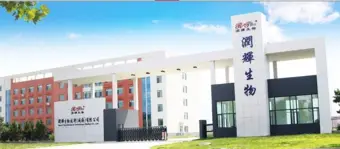
Produced in:
Established in: 2016
MOQ: -
Employees: 200
PFAS-Free Peptides
Certified Quality & Sustainability with ISO 9000 certification and RSPO audited supplier & GMP
Specialized in APIs & Pharmaceutical Intermediates
+ 0
All certificates
Distributor
Produced in:
Established in: 1994
MOQ: -
Employees: 50+
26+ years of distribution expertise with regulatory excellence
16 worldwide locations supplying high quality ingredients
All our manufacturer partners are cGMP complaint
+ 0
All certificates
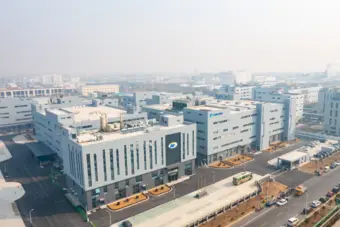
Produced in:
Established in: 1993
MOQ: -
Employees: 373
Specialization in Peptide and Small Molecule Drug Development
GMP-Compliant Manufacturing Focused on Sterile and Non-Sterile Production
New Manufacturing 59,500 m² Facility for Growing Demand
+ 0
All certificates
Producer
+ 0
All certificates

Producer
+ 0
All certificates
Producer
+ 0
All certificates
Producer
+ 0
All certificates
Producer
+ 0
All certificates
Distributor

+ 0
All certificates
Distributor
+ 0
All certificates
How does it work?

You can register for free as long as you are registering on behalf of a legal company related to the pharmaceutical industry

Search in the search bar the product that you’re looking for. We’ll show you an overview of all available suppliers. Use the filters to select the relevant suppliers only

Have you found interesting suppliers? Then it’s time to contact them. Use the send inquiry button and send them a message. You can send for each product, 3 inquiries per week

Suppliers get notified by Pharmaoffer that they’ve received a new inquiry. They will come back to you with their questions, certificates, and offer in the chat on Pharmaoffer. We will send you an email in case of any news

Does the supplier meet your quality and commercial requirements? Then you can place the order. Just follow the steps of our order module
Looking for Oxytocin API 50-56-6?
- Description:
- Here you will find a list of producers, manufacturers and distributors of Oxytocin. You can filter on certificates such as GMP, FDA, CEP, Written Confirmation and more. Send inquiries for free and get in direct contact with the supplier of your choice.
- API | Excipient name:
- Oxytocin
- Synonyms:
- Pitocin , Syntocinon
- Cas Number:
- 50-56-6
- DrugBank number:
- DB00107
- Unique Ingredient Identifier:
- 1JQS135EYN
About Oxytocin
Want to know more about Oxytocin? Synthetic 9 residue cyclic peptide. The hormone is prepared synthetically to avoid possible contamination with vasopressin (ADH) and other small polypeptides with biologic activity.
Ask the supplier for a certificate of analysis to find out more about the quality of Oxytocin.
Oxytocin is a type of Hormones
Hormones are a vital category of pharmaceutical Active Pharmaceutical Ingredients (APIs) that play a crucial role in regulating various physiological processes in the human body. These chemical messengers are produced by endocrine glands and are responsible for maintaining homeostasis, growth, metabolism, and reproductive functions.
Pharmaceutical hormones are synthetic or naturally derived compounds that mimic the structure and function of endogenous hormones. They are widely used in the treatment of hormonal disorders, such as hypothyroidism, diabetes, and hormonal imbalances.
Common examples of hormone APIs include insulin, thyroid hormones (such as levothyroxine), glucocorticoids (such as prednisone), and sex hormones (such as estrogen and testosterone). These APIs are carefully synthesized, purified, and formulated to ensure optimal efficacy, stability, and bioavailability.
Hormone APIs are typically produced through advanced chemical synthesis or biotechnological processes, involving the use of genetically engineered microorganisms or mammalian cell cultures. Stringent quality control measures and regulatory guidelines ensure the purity, potency, and safety of hormone APIs.
Pharmaceutical companies and research institutions invest significant resources in developing hormone APIs, as they are fundamental for the treatment of various endocrine disorders. The demand for hormone APIs continues to grow, driven by the rising prevalence of hormonal diseases and an aging population.
In conclusion, hormone APIs are essential components of pharmaceuticals that help restore hormonal balance and alleviate various endocrine disorders. Their significance in healthcare makes them a crucial category in the pharmaceutical industry.
Oxytocin manufacturers | traders | suppliers
We have 17 companies offering Oxytocin produced in 1 different countries.
Get in contact with the supplier of your choice:
- Sinoway industrial Co.,Ltd from China, product country of origin China
- Chr. Olesen Group from Denmark, product country of origin ChinaLatvia
- Senova Technology Co., Ltd. from China, product country of origin China
- Apino Pharma Co., Ltd. from China, product country of origin China
- Fuzhou Medcore Pharmaceutical Technology Co. Ltd from China, product country of origin China
- Changzhou Comwin Fine Chemicals Co., Ltd from China, product country of origin China
- Aurora Industry Co., Ltd from China, product country of origin China
- Reali Tide Biological Technology (Weihai) Co., Ltd from China, product country of origin China
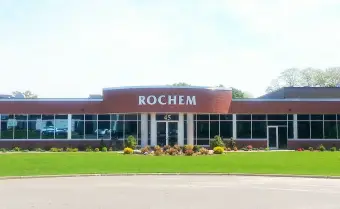
- Rochem International, Inc. from United States, product country of origin United States
- Suzhou Tianma Pharma Group Tianji Bio-Pharmaceutical Co., Ltd from China, product country of origin China
- CSBio from United States, product country of origin United States
- Hemmo Pharma from India, product country of origin India
- Chifeng Pharma from China, product country of origin China
- Shanghai Soho-Yiming from China, product country of origin China
- J.S.C. Grindeks from Latvia, product country of origin Latvia
- Socosur from France, product country of origin Unknown
- Shaoxing Hantai Pharma from China, product country of origin China
Let the supplier know whether you are looking for a product with a specific monograph such as EP (Ph. Eur.), USP, JP, BP or another quality. Or, whether you are looking for hydrochloride (HCl), anhydricum, base, micronisatum or a specific purity.
You can use the filters to find high-quality suppliers. For example, you can select GMP, FDA or ISO certified suppliers. Visit our FAQ page or use the chat box in the corner to get more information about Pharmaoffer.
