Global API sourcing simplified
We connect API buyers and suppliers worldwide with speed, trust, and full transparency.

Filters

Filters
Filter
Custom request?
Type
Production region
Qualifications
Show more
Country of origin

Loxoprofen API Manufacturers & Suppliers

15 verified results
Get full market intelligence report
Full access. Full negotiation power All Loxoprofen data. Full access. Full negotiation power

Commercial-scale Suppliers

Distributor
Produced in  China
|

Employees: 50+

|
Audit Report: Currently Eurofins has no report for this supplier. Contact them to let them know you're interested!
Certifications: GMP
|
USDMF
|
MSDS
|
ISO9001
|
CoA

All certificates

GMP
USDMF
MSDS
ISO9001
CoA
Producer
Produced in  Japan
|
Audit Report: Currently Eurofins has no report for this supplier. Contact them to let them know you're interested!
Certifications: JDMF
|
CoA

All certificates

JDMF
CoA
Take control of your API sourcing
Submit a Special Inquiry and have Pharmaoffer activate verified suppliers.
Producer
Produced in  China
|
Audit Report: Currently Eurofins has no report for this supplier. Contact them to let them know you're interested!
Certifications: KDMF
|
coa

All certificates

KDMF
coa
Producer
Produced in  South Korea
|
Audit Report: Currently Eurofins has no report for this supplier. Contact them to let them know you're interested!
Certifications: JDMF
|
CoA

All certificates

JDMF
CoA
Producer
Produced in  South Korea
|
Audit Report: Currently Eurofins has no report for this supplier. Contact them to let them know you're interested!
Certifications: JDMF
|
CoA

All certificates

JDMF
CoA
Producer
Produced in  South Korea
|
Audit Report: Currently Eurofins has no report for this supplier. Contact them to let them know you're interested!
Certifications: JDMF
|
CoA

All certificates

JDMF
CoA
Get full market intelligence report
€399,-
All Loxoprofen data. Full access. Full negotiation power
Producer
Produced in  China
|
Audit Report: Click here for more information on Eurofins audit reports
Certifications: JDMF
|
CoA

All certificates

JDMF
CoA
Producer
Produced in  Japan
|
Audit Report: Currently Eurofins has no report for this supplier. Contact them to let them know you're interested!
Certifications: JDMF
|
CoA

All certificates

JDMF
CoA
Get full market intelligence report
€399,-
All Loxoprofen data. Full access. Full negotiation power
Producer
Produced in  South Korea
|
Audit Report: Currently Eurofins has no report for this supplier. Contact them to let them know you're interested!
Certifications: JDMF
|
CoA

All certificates

JDMF
CoA
Producer
Produced in  China
|
Audit Report: Currently Eurofins has no report for this supplier. Contact them to let them know you're interested!
Certifications: JDMF
|
CoA

All certificates

JDMF
CoA
Producer
Produced in  South Korea
|
Audit Report: Currently Eurofins has no report for this supplier. Contact them to let them know you're interested!
Certifications: JDMF
|
CoA

All certificates

JDMF
CoA
Producer
Produced in  China
|
Audit Report: Currently Eurofins has no report for this supplier. Contact them to let them know you're interested!
Certifications: JDMF
|
CoA

All certificates

JDMF
CoA
Get full market intelligence report
€399,-
All Loxoprofen data. Full access. Full negotiation power
Producer
Produced in  South Korea
|
Audit Report: Currently Eurofins has no report for this supplier. Contact them to let them know you're interested!
Certifications: JDMF
|
KDMF
|
CoA

All certificates

JDMF
KDMF
CoA
Producer
Produced in  Japan
|
Audit Report: Currently Eurofins has no report for this supplier. Contact them to let them know you're interested!
Certifications: JDMF
|
CoA

All certificates

JDMF
CoA
Producer
Produced in  India
|
Audit Report: Click here for more information on Eurofins audit reports
Certifications: FDA
|
ISO
|
coa
|
EDQM certificate 2017

All certificates

FDA
ISO
coa
EDQM certificate 2017
Not active
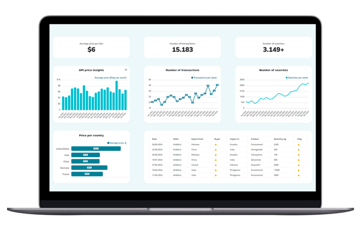
When insight is your advantage
Full data, full access, full negotiation power
Total market transparency Total market transparency
|
Supplier trade data access Supplier trade data access
|
Buyer / supplier flow comparison Buyer / supplier flow comparison
Trusted by 30,000+ registered pharma professionals:
Reach multinationals, SMEs, compounding pharmacies & more!
Procaps
Pfizer
Reckitt
Sanofi
Blau
Abbvie

Loxoprofen | CAS No: 68767-14-6 | GMP-certified suppliers

A medication that relieves pain, inflammation, and fever associated with musculoskeletal and joint disorders, supporting reliable therapeutic development needs for API sourcing teams.

Therapeutic categories

Acids, CarbocyclicAgents causing hyperkalemiaAgents that produce hypertensionAnalgesicsAnalgesics, Non-NarcoticAnti-Inflammatory Agents
Generic name
Loxoprofen
Molecule type
small molecule
CAS number
68767-14-6
DrugBank ID
DB09212
Approval status
Approved drug
ATC code
M02AA31

Primary indications

  • Loxoprofen is non-steroidal anti-inflammatory medication (NSAID) indicated for pain and inflammation related to musculoskeletal and joint disorders
  • In addition to its effects on pain, it is an antipyretic and anti-inflammatory medication

Product Snapshot

  • Loxoprofen is an oral and topical small‑molecule NSAID available in tablet, gel, and transdermal patch formulations
  • It is used for pain, inflammation, and fever associated with musculoskeletal and joint conditions
  • It is an approved product in multiple regulated markets

Clinical Overview

Loxoprofen (CAS 68767-14-6) is a propionic acid derivative NSAID used for the management of pain, inflammation, and fever in musculoskeletal and joint disorders. It is marketed in several regions under names such as Loxonin, Loxomac, and Oxeno, with both oral formulations and a transdermal preparation used clinically.

The compound is a phenylpropanoic acid that functions primarily as a prodrug. After administration, it is rapidly converted to its trans‑alcohol metabolite, which provides pharmacological activity. This metabolite is a potent, non‑selective inhibitor of cyclooxygenase isoforms COX‑1 and COX‑2. Inhibition reduces synthesis of prostaglandins, prostacyclin, and thromboxanes involved in nociception, inflammation, and febrile responses.

Pharmacodynamically, non‑selective COX inhibition decreases peripheral and central sensitization to pain while suppressing inflammatory mediator production at sites of tissue injury. Because COX‑1 also regulates gastric mucosal integrity, renal blood flow, and platelet aggregation, non‑selective blockade contributes to the expected class‑based risk profile.

Following oral dosing, loxoprofen is absorbed and undergoes rapid metabolic activation. The active metabolite is further conjugated, with UGT2B7 identified as a metabolic pathway. Elimination occurs primarily via renal excretion. Specific bioavailability, half‑life, and protein binding values are not provided in the source data and are therefore not included.

Safety considerations align with other non‑selective NSAIDs. Clinically relevant risks include gastrointestinal irritation or ulceration, renal function impairment, fluid retention, hypertension, and potential exacerbation of hyperkalemia. Use in patients with compromised renal function, cardiovascular disease, or gastrointestinal ulcer history requires caution. Known nephrotoxic potential and effects on platelet function are consistent with its COX‑1 activity.

Loxoprofen is available in systemic and topical formulations, with transdermal preparations used to achieve localized exposure while limiting systemic effects.

For API procurement, suppliers should provide evidence of identity and purity, validated control of stereochemistry and impurity profiles, and compliance with regional regulatory standards. Batch‑specific data on residual solvents, particle properties, and stability support reliable formulation development and quality assurance.

Identification & chemistry

Generic name Loxoprofen
Molecule type Small molecule
CAS 68767-14-6
UNII 3583H0GZAP
DrugBank ID DB09212

Pharmacology

SummaryLoxoprofen is a prodrug converted to an active trans‑alcohol metabolite that non‑selectively inhibits the COX‑1 and COX‑2 enzymes. This inhibition decreases synthesis of prostaglandins and related mediators involved in pain, inflammation, and fever. Its pharmacologic activity aligns with therapeutic use in musculoskeletal and joint inflammatory conditions.
Mechanism of actionLoxoprofen itself is a prodrug and carries little-to-no pharmacological activity - it is rapidly metabolized to its trans-alcohol form, which is a potent and non-selective inhibitor of cyclooxygenase.Cyclooxygenase (COX) is present in 2 forms, COX-1 and COX-2, with each serving different functions. COX-1 is present in human cells and is constitutively released, performing cellular housekeeping functions such as mucus production and platelet aggregation.COX-2 is induced in human cells post-injury or due to other stimuli, is triggered to appear in large quantities at the sites of injury/stimuli, and is ultimately responsible for the mediation of inflammation and pain. Loxoprofen's active metabolite inhibits both COX isoforms, resulting in reduced expression of several mediators of pain, inflammation, and fever (e.g. prostaglandins, prostacyclin, thromboxane, etc).
PharmacodynamicsLoxoprofen is a non-selective inhibitor of cyclooxygenase enzymes, which are responsible for the formation of various biologically active pain, fever, and inflammatory mediators. These include prostaglandins, prostacyclin, thromboxane, and arachidonic acid.
Targets
TargetOrganismActions
Prostaglandin G/H synthase 2Humansantagonist
Prostaglandin G/H synthase 1Humansantagonist

ADME / PK

AbsorptionLoxoprofen is rapidly and completely absorbed from the GI tract with a bioavailability of 95%.The absorption phase of the medication occurs in the first 4-6 hours after ingestion. Food ingestion with the medication causes a slight decrease in the rate of loxoprofen absorption.
Half-lifeThe elimination half-life of Loxoprofen is approximately 15 hours.Steady concentration is achieved after 2-3 doses.
Protein binding99% albumin-bound.At doses of loxoprofen greater than 500 mg/day, clearance of the drug increases as saturation of plasma protein binding occurs at higher doses.
MetabolismLoxoprofen is a prodrug that is rapidly converted to its active trans-alcohol metabolite by carbonyl reductase in the liver.This same process also results in a cis-alcohol metabolite, though this isomer carries little pharmacological activity.The parent drug has also been observed to undergo oxidation via CYP3A4/5 to two hydroxylated metabolites (M3 and M4) and glucuronidation by UGT2B7 to two glucuronide metabolites (M5 and M6).The alcohol metabolites of loxoprofen also undergo glucuronide conjugation via UGT2B7 to two glucuronide metabolites (M7 and M8) prior to excretion. When applied in topical formulations, loxoprofen is metabolized to its active trans-alcohol form by carbonyl reductase in the skin.
Route of elimination50% renal excretion.This drug is 20% - 30% excreted in the stool.
Volume of distributionLoxoprofen has a volume of distribution of 0.16 L/kg.
ClearanceMost of the drug as unchanged loxoprofen, 6-0-desmethyl loxoprofen (less than 1%) and glucuronide or other conjugates (66-92%). In patients with renal failure, metabolites may accumulate.

Formulation & handling

  • Low aqueous solubility and moderate lipophilicity support solid oral tablet formulations and favor topical or transdermal delivery for local effect.
  • Oral formulations may require consideration of food-related GI tolerability and CYP3A4‑modulating excipients due to metabolism characteristics.
  • As a small‑molecule solid, standard handling applies, with attention to stability in semi-solid topical bases for gels and patches.

Regulatory status

Safety

ToxicityAdverse effects include anorexia, nausea, vomiting, bleeding, anemia, diarrhea, and constipation.Loxoprofen toxicity may lead to gastrointestinal disturbance (including flatulence, dyspepsia and gastritis) and renal failure.
High Level Warnings:
  • Handle with controls that minimize exposure to agents associated with gastrointestinal irritation (e
  • G
  • , nausea, vomiting, dyspepsia, bleeding) and renal burden observed in toxicity profiles

Loxoprofen is a type of NSAIDs


NSAIDs (Non-Steroidal Anti-Inflammatory Drugs) are a widely used subcategory of pharmaceutical Active Pharmaceutical Ingredients (APIs). These medications are commonly prescribed for their analgesic (pain-relieving), anti-inflammatory, and antipyretic (fever-reducing) properties. NSAIDs work by inhibiting the production of certain enzymes called cyclooxygenases (COX), which play a crucial role in the synthesis of prostaglandins, substances that contribute to pain, inflammation, and fever.

These pharmaceutical APIs are available in various formulations, including tablets, capsules, creams, and gels, making them convenient for different administration routes. Some popular examples of NSAIDs include aspirin, ibuprofen, naproxen, and diclofenac.

NSAIDs are commonly used to treat a wide range of conditions such as arthritis, musculoskeletal injuries, dental pain, menstrual pain, and headaches. They are also effective in managing inflammatory conditions like rheumatoid arthritis and ankylosing spondylitis.

While NSAIDs are generally safe and effective when used as directed, they may have side effects. These can include gastrointestinal issues such as stomach ulcers or bleeding, cardiovascular risks, and kidney problems. Therefore, it is essential to follow the recommended dosage and consult with healthcare professionals to ensure proper and safe usage.

In conclusion, NSAIDs are a subcategory of pharmaceutical APIs that offer analgesic, anti-inflammatory, and antipyretic properties. Their versatility and effectiveness in treating various conditions make them widely prescribed medications. However, it is crucial to be aware of potential side effects and consult healthcare providers for appropriate usage.


Loxoprofen (NSAIDs), classified under Anti-inflammatory Agents


Anti-inflammatory agents are a crucial category of pharmaceutical active pharmaceutical ingredients (APIs) used to treat various inflammatory conditions. These agents play a vital role in alleviating pain, reducing swelling, and controlling inflammation in the body. They are widely employed in the management of diverse medical conditions, including arthritis, autoimmune disorders, asthma, and skin conditions like dermatitis.

Anti-inflammatory APIs primarily function by inhibiting the production of specific enzymes called cyclooxygenases (COX) and lipoxygenases (LOX). These enzymes are responsible for the synthesis of pro-inflammatory molecules known as prostaglandins and leukotrienes, respectively. By suppressing the activity of COX and LOX, anti-inflammatory agents effectively curtail the production of these inflammatory mediators, thereby mitigating inflammation.

Common examples of anti-inflammatory APIs include non-steroidal anti-inflammatory drugs (NSAIDs) like ibuprofen, aspirin, and naproxen. These agents exhibit analgesic, antipyretic, and anti-inflammatory properties. Another group of anti-inflammatory APIs includes corticosteroids, such as prednisone and dexamethasone, which are synthetic hormones that modulate the body's immune response to control inflammation.

In conclusion, anti-inflammatory agents are a vital category of pharmaceutical APIs widely used to manage inflammation-related disorders. They target enzymes involved in the synthesis of pro-inflammatory molecules, effectively reducing pain and swelling. NSAIDs and corticosteroids are commonly prescribed anti-inflammatory APIs due to their efficacy in controlling inflammation.


Loxoprofen API manufacturers & distributors

Compare qualified Loxoprofen API suppliers worldwide. We currently have 15 companies offering Loxoprofen API, with manufacturing taking place in 4 different countries. Use the table below to review supplier type, countries of origin, certifications, product portfolio and GMP audit availability.

SupplierTypeCountryProduct originCertificationsPortfolio
Producer
Japan Japan CoA, JDMF9 products
Producer
South Korea South Korea CoA, JDMF, KDMF13 products
Producer
China China CoA, JDMF1 products
Producer
Japan Japan CoA, JDMF12 products
Producer
South Korea South Korea CoA, JDMF2 products
Producer
China China CoA, JDMF2 products
Producer
South Korea South Korea CoA, JDMF32 products
Producer
Japan Japan CoA, JDMF3 products
Producer
Germany China CoA, KDMF18 products
Producer
South Korea South Korea CoA, JDMF2 products
Producer
South Korea South Korea CoA, JDMF11 products
Distributor
China China CoA, GMP, ISO9001, MSDS, USDMF757 products
Producer
South Korea South Korea CoA, JDMF10 products
Producer
India India CoA, Other, FDA, ISO900130 products
Producer
China China CoA, JDMF15 products

When sending a request, specify which Loxoprofen API quality you need: for example EP (Ph. Eur.), USP, JP, BP, or another pharmacopoeial standard, as well as the required grade (base, salt, micronised, specific purity, etc.).

Use the list above to find high-quality Loxoprofen API suppliers. For example, you can select GMP, FDA or ISO certified suppliers. Visit our help page to learn more about sourcing APIs via Pharmaoffer.

Frequently asked questions about Loxoprofen API


Sourcing

Which documents are typically required when sourcing Loxoprofen API?
Request the core API documentation set: CoA (15 companies), JDMF (12 companies), KDMF (2 companies), ISO9001 (2 companies), Other (1 company). Confirm versions and validity dates match the destination market to avoid delays in qualification.
Which manufacturers are known to produce Loxoprofen API?
Known or reported manufacturers for Loxoprofen: Sinoway industrial Co.,Ltd. Evaluate their GMP history, scale, and regional coverage before requesting dossiers or allocating demand.
How can I request quotes for Loxoprofen API from GMP suppliers?
Submit quote requests through the supplier listings with your specs and required documents (specifications, target volume, delivery timeline, and destination). Providing consistent details upfront speeds comparable offers and clarifies technical feasibility.
Is a GMP audit report available for Loxoprofen manufacturers?
Audit reports may be requested for Loxoprofen: 2 GMP audit reports available. Confirm the scope and recency of any audit before relying on it for qualification decisions.
How many suppliers offer Loxoprofen API on Pharmaoffer?
Reported supplier count for Loxoprofen: 15 verified suppliers. Filter listings by certifications, regions, and delivery options to match your qualification plan.
Which countries are known to manufacture Loxoprofen API?
Production countries reported for Loxoprofen: South Korea (6 producers), China (5 producers), Japan (3 producers). Knowing the manufacturing geography helps anticipate logistics lead times and import compliance needs.
Which certifications do suppliers of Loxoprofen usually hold?
Common certifications for Loxoprofen suppliers: CoA (15 companies), JDMF (12 companies), KDMF (2 companies), ISO9001 (2 companies), Other (1 company). Always verify issuing authorities and expiry dates when reviewing audit packages.

Technical

What is Loxoprofen (CAS 68767-14-6) used for?
Loxoprofen is a non‑steroidal anti‑inflammatory drug used to manage pain, inflammation, and fever, particularly in musculoskeletal and joint disorders. It acts as a prodrug that is converted to an active metabolite which non‑selectively inhibits COX‑1 and COX‑2, reducing prostaglandin‑mediated symptoms. Both oral and transdermal formulations are used clinically to provide systemic or localized relief.
Which therapeutic class does Loxoprofen fall into?
Loxoprofen belongs to the following therapeutic categories: Acids, Carbocyclic, Agents causing hyperkalemia, Agents that produce hypertension, Analgesics, Analgesics, Non-Narcotic. This positioning helps teams compare alternative APIs, anticipate pharmacology expectations, and align early research priorities.
What conditions is Loxoprofen mainly prescribed for?
The primary indications for Loxoprofen: Loxoprofen is non-steroidal anti-inflammatory medication (NSAID) indicated for pain and inflammation related to musculoskeletal and joint disorders, In addition to its effects on pain, it is an antipyretic and anti-inflammatory medication. These use cases frame the target patient populations and help prioritize formulation and safety evaluations.
How does Loxoprofen work?
Loxoprofen itself is a prodrug and carries little-to-no pharmacological activity - it is rapidly metabolized to its trans-alcohol form, which is a potent and non-selective inhibitor of cyclooxygenase.Cyclooxygenase (COX) is present in 2 forms, COX-1 and COX-2, with each serving different functions. COX-1 is present in human cells and is constitutively released, performing cellular housekeeping functions such as mucus production and platelet aggregation.COX-2 is induced in human cells post-injury or due to other stimuli, is triggered to appear in large quantities at the sites of injury/stimuli, and is ultimately responsible for the mediation of inflammation and pain. Loxoprofen's active metabolite inhibits both COX isoforms, resulting in reduced expression of several mediators of pain, inflammation, and fever (e.g. prostaglandins, prostacyclin, thromboxane, etc).
What should someone know about the safety or toxicity profile of Loxoprofen?
Loxoprofen’s safety profile is consistent with non‑selective COX inhibitors, with risks for gastrointestinal irritation, ulceration, and bleeding due to COX‑1–mediated effects on gastric mucosa and platelet function. Renal burden is a known concern, including potential impairment, fluid retention, hypertension, and worsening of hyperkalemia. Caution is advised in individuals with prior gastrointestinal disease, renal dysfunction, or cardiovascular conditions. Transdermal formulations may limit systemic exposure but do not eliminate class‑based risks.
What are important formulation and handling considerations for Loxoprofen as an API?
Important considerations include its low aqueous solubility and moderate lipophilicity, which support solid oral tablets and topical or transdermal systems. Oral formulations may need attention to food‑related effects on absorption and to excipients that could influence CYP3A4‑mediated metabolism. For topical products, stability in semi‑solid bases and conversion to the active metabolite in skin should be considered. Standard solid‑API handling applies.
Is Loxoprofen a small molecule?
Loxoprofen is classified as a small molecule. That classification shapes process design, impurity profiling, and analytical control strategies.
Are there special stability concerns for oral Loxoprofen?
Oral Loxoprofen is a low‑solubility, moderately lipophilic solid, so standard tablet stability considerations apply, with no unique degradation issues noted. Formulations may require attention to excipients that influence CYP3A4 activity, as these could affect metabolic pathways. Food can slightly slow absorption, but this does not indicate a specific stability concern for the product itself.

Pharmaoffer

How does Pharmaoffer’s Smart Sourcing Service help with Loxoprofen procurement?
Pharmaoffer's Smart Sourcing Service coordinates compliant suppliers, documentation, and competitive quotes for Loxoprofen. It centralizes outreach, follow-ups, and document validation to shorten procurement timelines.
Is Loxoprofen included in the PRO Data Insights coverage?
PRO Data Insights coverage for Loxoprofen: 117 verified transactions across 55 suppliers and 39 buyers worldwide. Use the dataset to benchmark suppliers and monitor regulatory activity where available.
Where can I access the API market report for Loxoprofen?
Market report availability for Loxoprofen: Report Available. The report highlights demand trends, pricing drivers, and supplier landscape insights for procurement planning.