
Bimatoprost API Manufacturers & Suppliers

Find, compare & contact
Filters
Custom request?
Type
Production region
Qualifications
Country of origin

 Follow us
Distributor
Produced in:

Established in: 1987
MOQ: 100 g
Employees: 50+



ISO 9001:2015 & SGS audited supplier
One-stop CDMO Solutions for APl and Key intermediates
Specialized in APIs & Pharmaceutical Intermediates for 38 years
+ 0
All certificates



Distributor
Produced in:

Established in: 1997
MOQ: -
Employees: 50

GMP and GDP certified
Biotechnological research leadership and manufacturer
Extensive distribution network for product global accessibility
+ 0
All certificates


Distributor
Produced in:

Established in: 2005
MOQ: -
Employees: 200+
Portfolio of over 2,000 APIs
Precise quality control
End-to-end global regulatory support
+ 0
All certificates
+ 0
All certificates

Producer
Produced in:

Established in: 1995
MOQ: -
Employees: 10000
Fermentation technology Experts
Partnerships with 1200 pharma companies in 100+ countries
US FDA, EMA, COFEPRIES, ANVISA, PMDA accreditations
+ 0
All certificates
Producer
+ 0
All certificates
Producer
Produced in:
Established in: 1999
MOQ: -
Employees: +50
We supply highest quality products with competitive prices.
We value different requirements from customers
We supply high-quality prostaglandin products
+ 0
All certificates
Distributor

+ 0
All certificates

Producer
+ 0
All certificates
Producer
+ 0
All certificates

Producer
+ 0
All certificates
Producer
+ 0
All certificates

Producer
+ 0
All certificates

Producer
+ 0
All certificates
Producer
+ 0
All certificates
Producer
+ 0
All certificates

Producer
+ 0
All certificates
How does it work?

You can register for free as long as you are registering on behalf of a legal company related to the pharmaceutical industry

Search in the search bar the product that you’re looking for. We’ll show you an overview of all available suppliers. Use the filters to select the relevant suppliers only

Have you found interesting suppliers? Then it’s time to contact them. Use the send inquiry button and send them a message. You can send for each product, 3 inquiries per week

Suppliers get notified by Pharmaoffer that they’ve received a new inquiry. They will come back to you with their questions, certificates, and offer in the chat on Pharmaoffer. We will send you an email in case of any news

Does the supplier meet your quality and commercial requirements? Then you can place the order. Just follow the steps of our order module
Looking for Bimatoprost API 155206-00-1?
- Description:
- Here you will find a list of producers, manufacturers and distributors of Bimatoprost. You can filter on certificates such as GMP, FDA, CEP, Written Confirmation and more. Send inquiries for free and get in direct contact with the supplier of your choice.
- API | Excipient name:
- Bimatoprost
- Synonyms:
- Bimatoprostum
- Cas Number:
- 155206-00-1
- DrugBank number:
- DB00905
- Unique Ingredient Identifier:
- QXS94885MZ
About Bimatoprost
Why are professionals looking for Bimatoprost? Bimatoprost, also known as Latisse or Lumigan, belongs to a group of drugs called prostamides, which are synthetic structural analogs of prostaglandin. Bimatoprost, marketed by Allergan, is administered in both the ophthalmic solution and implant form. It has the ability to reduce ocular hypotension, proving effective in conditions such as ocular hypertension and glaucoma0 Bimatoprost is also used to treat eyelash hypotrichosis, or sparse eyelash growth. It was initially approved by the FDA in 2001 for ocular hypertension and later approved for hypothrichosis in 2008, as eyelash growth became a desirable adverse effect for patients using this drug.
Check who is selling Bimatoprost in the overview above.
Bimatoprost is a type of Ocular preparations
Ocular preparations are a vital subcategory of pharmaceutical active pharmaceutical ingredients (APIs) used in the formulation of medications and treatments for various eye conditions. These specialized formulations are designed to deliver therapeutic agents directly to the eye, ensuring maximum effectiveness and minimal systemic absorption.
Ocular preparations encompass a wide range of products, including eye drops, ointments, gels, and inserts. These formulations may contain API components such as antibiotics, corticosteroids, antihistamines, lubricants, or mydriatics, depending on the intended therapeutic purpose.
Eye drops are the most common form of ocular preparations, delivering medications in liquid form directly onto the eye surface. They are often used to treat conditions like dry eyes, glaucoma, allergies, and infections. Ointments and gels provide a more viscous consistency, enabling longer contact time with the eye surface and prolonged drug release. Inserts, such as punctal plugs, are used to deliver sustained-release medications.
Ocular preparations are formulated to ensure compatibility with the delicate structures of the eye and to enhance drug penetration. Factors like pH, osmolality, and viscosity are carefully controlled to optimize drug delivery and patient comfort. Additionally, preservatives are often added to prevent microbial contamination and maintain product stability.
In summary, ocular preparations are crucial in treating various eye conditions effectively. They provide targeted drug delivery and ensure optimal therapeutic outcomes with minimal side effects. Whether in the form of eye drops, ointments, gels, or inserts, these pharmaceutical APIs play a vital role in promoting eye health and improving patient well-being.
Bimatoprost (Ocular preparations), classified under Ophthalmic Agents
Ophthalmic agents belong to the pharmaceutical API (Active Pharmaceutical Ingredient) category specifically designed for ophthalmic applications. These agents are formulated to treat various eye conditions and disorders. Ophthalmic agents encompass a wide range of medications, including eye drops, ointments, gels, and intraocular implants.
These agents are developed to address specific therapeutic needs related to the eyes, such as reducing intraocular pressure in glaucoma, treating inflammation and infection, relieving dryness and itching, and managing allergies. They may also be used to dilate the pupils during diagnostic procedures or surgeries.
Ophthalmic agents are formulated with precise concentrations of active ingredients to ensure efficacy and safety. Common classes of ophthalmic agents include beta-blockers, prostaglandin analogs, carbonic anhydrase inhibitors, corticosteroids, and antihistamines.
When administering ophthalmic agents, it is crucial to follow proper application techniques to ensure optimal drug delivery and minimize side effects. Eye drops, for example, are typically applied as a gentle instillation into the conjunctival sac, while ointments are applied along the lower eyelid.
These pharmaceutical API ophthalmic agents undergo rigorous quality control and regulatory scrutiny to meet industry standards and ensure patient safety. Manufacturers must comply with Good Manufacturing Practices (GMP) and adhere to stringent quality assurance protocols.
Overall, ophthalmic agents play a vital role in the management and treatment of various eye conditions, providing patients with targeted relief and improving ocular health. It is important to consult with a healthcare professional to determine the appropriate ophthalmic agent for individual needs and to receive proper guidance on usage and potential side effects.
Bimatoprost manufacturers | traders | suppliers
We have 17 companies offering Bimatoprost produced in 2 different countries.
Get in contact with the supplier of your choice:
- Sinoway industrial Co.,Ltd from China, product country of origin China
- AXXO GmbH from Germany, product country of origin European Union
- LGM Pharma from United States, product country of origin World
- Shanghai Techwell Biopharmaceutical Co Ltd from China, product country of origin China
- Biocon from India, product country of origin India
- Laurus Labs from India, product country of origin India
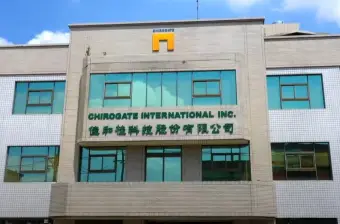
- Chirogate International from Taiwan, product country of origin Taiwan
- Flavine from Germany, product country of origin Unknown
- Industriale Chimica from Italy, product country of origin Unknown
- Jiangxi Bioman Pharma Limited from China, product country of origin China
- Chinoin from Hungary, product country of origin Unknown
- Shanghai Tianwei Biology Pharmacy from China, product country of origin China
- Yonsung Fine Chem. from South Korea, product country of origin South Korea
- Kyowa Pharma Chem. from Japan, product country of origin Unknown
- Lupin from India, product country of origin India
- MSN Labs. from India, product country of origin India
- Piramal Healthcare from United Kingdom, product country of origin Unknown
Let the supplier know whether you are looking for a product with a specific monograph such as EP (Ph. Eur.), USP, JP, BP or another quality. Or, whether you are looking for hydrochloride (HCl), anhydricum, base, micronisatum or a specific purity.
You can use the filters to find high-quality suppliers. For example, you can select GMP, FDA or ISO certified suppliers. Visit our FAQ page or use the chat box in the corner to get more information about Pharmaoffer.
