
Norepinephrine API Manufacturers & Suppliers

Find, compare & contact
Filters
Custom request?
Type
Production region
Qualifications
Country of origin

 Follow us
Produced in:

Established in: 2008
MOQ: -
Employees: 300+



More than 150 patents based on independent intelligence
Expertise in anti-tumor, anti-diabetes and cardiovascular API and intermediates.
GMP facility with annual production capacity of 300M
+ 0
All certificates

Distributor
Produced in:

Established in: 2011
MOQ: -
Employees: 25

Technical expertise ensuring optimal selection and development of APIs and intermediates
Globally connected with multiple GMP-compliant manufacturing facilities
Regulatory excellence with a dedicated team with global reach
+ 0
All certificates
Producer

+ 0
All certificates

Producer
+ 0
All certificates
Producer
Produced in:

Established in: 1991
MOQ: -
Employees: 3,500+
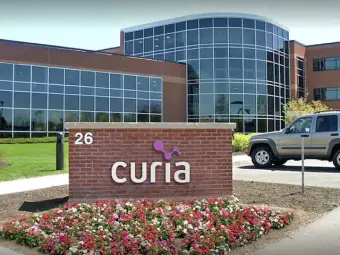
More than 12 GMP manufacturing facilities (EU, US, India)
Portfolio of more than 240 commercial APIs
We are experts in the cGMP production of highly potent compounds
+ 0
All certificates

Producer
Produced in:
Established in: 1983
MOQ: -
Employees: 200+
Presence in more than 75 countries in the world
We delivery top quality APIs as per global standards
manufacture 45+ APIs including 10 essential drugs
+ 0
All certificates
How does it work?

You can register for free as long as you are registering on behalf of a legal company related to the pharmaceutical industry

Search in the search bar the product that you’re looking for. We’ll show you an overview of all available suppliers. Use the filters to select the relevant suppliers only

Have you found interesting suppliers? Then it’s time to contact them. Use the send inquiry button and send them a message. You can send for each product, 3 inquiries per week

Suppliers get notified by Pharmaoffer that they’ve received a new inquiry. They will come back to you with their questions, certificates, and offer in the chat on Pharmaoffer. We will send you an email in case of any news

Does the supplier meet your quality and commercial requirements? Then you can place the order. Just follow the steps of our order module
Looking for Norepinephrine API 51-41-2?
- Description:
- Here you will find a list of producers, manufacturers and distributors of Norepinephrine. You can filter on certificates such as GMP, FDA, CEP, Written Confirmation and more. Send inquiries for free and get in direct contact with the supplier of your choice.
- API | Excipient name:
- Norepinephrine
- Synonyms:
- Arterenol , L-noradrenaline , L-Norepinephrine , Nor-adrenaline , Noradrenaline , Norepinefrina , Norepinephrine , Norepinephrinum
- Cas Number:
- 51-41-2
- DrugBank number:
- DB00368
- Unique Ingredient Identifier:
- X4W3ENH1CV
About Norepinephrine
Here is a short description about Norepinephrine. Precursor of epinephrine that is secreted by the adrenal medulla and is a widespread central and autonomic neurotransmitter. Norepinephrine is the principal transmitter of most postganglionic sympathetic fibers and of the diffuse projection system in the brain arising from the locus ceruleus. It is also found in plants and is used pharmacologically as a sympathomimetic.
You can ask the supplier about all relevant certificates for the product such as CoA, Safety Data Sheet and DMF.
Norepinephrine is a type of Adrenergic agents
Adrenergic agents are a subcategory of pharmaceutical active pharmaceutical ingredients (APIs) that target the adrenergic system in the body. This system is responsible for regulating various physiological responses, including heart rate, blood pressure, and smooth muscle contraction.
Adrenergic agents can be further divided into two main groups: adrenergic agonists and adrenergic antagonists. Adrenergic agonists stimulate the adrenergic receptors, leading to an increase in sympathetic nervous system activity. This can result in effects such as vasoconstriction, bronchodilation, and increased heart rate. Adrenergic agonists are commonly used in the treatment of conditions such as asthma, hypotension, and cardiac arrest.
On the other hand, adrenergic antagonists block the adrenergic receptors, thereby inhibiting the effects of sympathetic nervous system activation. These agents are often employed to lower blood pressure, treat certain heart conditions, and manage symptoms associated with conditions like benign prostatic hyperplasia. Adrenergic antagonists can be further classified into alpha-adrenergic antagonists and beta-adrenergic antagonists, based on their selectivity for different adrenergic receptor subtypes.
Pharmaceutical companies extensively utilize adrenergic agents as key components in the development of various medications. Adrenergic APIs offer targeted effects on the adrenergic system, allowing for precise modulation of physiological responses. The understanding of adrenergic agents and their mechanisms of action is vital for the design and optimization of drugs used in the treatment of numerous medical conditions. Researchers and scientists continue to explore and innovate within this subcategory to develop new adrenergic agents with enhanced efficacy and fewer side effects, ultimately improving patient outcomes.
Norepinephrine (Adrenergic agents), classified under Central Nervous System Agents
Central Nervous System (CNS) Agents are a crucial category of pharmaceutical Active Pharmaceutical Ingredients (APIs) that specifically target the central nervous system. The CNS encompasses the brain and spinal cord, playing a vital role in regulating and controlling various bodily functions, including cognition, movement, emotions, and sensory perception. These agents are designed to interact with specific receptors, enzymes, or ion channels within the CNS to modulate neural activity and restore normal functioning.
CNS agents comprise a diverse range of pharmaceutical APIs, including analgesics, anesthetics, antipsychotics, sedatives, hypnotics, anti-epileptics, and antidepressants. Each subcategory addresses distinct neurological disorders and conditions. For instance, analgesics alleviate pain by targeting receptors in the brain and spinal cord, while antipsychotics are employed to manage psychosis symptoms in mental illnesses such as schizophrenia.
The development of CNS agents involves rigorous research, molecular modeling, and extensive clinical trials to ensure safety, efficacy, and specific target engagement. Pharmaceutical companies invest significant resources in identifying novel drug targets, synthesizing new compounds, and optimizing their pharmacological properties. These agents undergo rigorous regulatory evaluations and must adhere to stringent quality standards and guidelines.
Given the prevalence of CNS disorders globally, the market demand for effective CNS agents is substantial. The development of innovative CNS APIs not only improves patient outcomes but also provides valuable commercial opportunities for pharmaceutical companies. Continued advancements in CNS agent research and development hold the promise of groundbreaking therapies that can improve the quality of life for individuals affected by neurological conditions.
Norepinephrine manufacturers | traders | suppliers
We have 6 companies offering Norepinephrine produced in 1 different countries.
Get in contact with the supplier of your choice:
- Tianjin Pharmacn Medical Technology Co., ltd from China, product country of origin China
- Global Pharma Tek from India, product country of origin India
- ChemPacific from United States, product country of origin Unknown
- Cambrex from Italy, product country of origin Unknown
- Curia from United States, product country of origin United States
- Harman Finochem from India, product country of origin India
Let the supplier know whether you are looking for a product with a specific monograph such as EP (Ph. Eur.), USP, JP, BP or another quality. Or, whether you are looking for hydrochloride (HCl), anhydricum, base, micronisatum or a specific purity.
You can use the filters to find high-quality suppliers. For example, you can select GMP, FDA or ISO certified suppliers. Visit our FAQ page or use the chat box in the corner to get more information about Pharmaoffer.
