Global API sourcing simplified
We connect API buyers and suppliers worldwide with speed, trust, and full transparency.

Filters

Filters
Filter
Custom request?
Type
Production region
Qualifications
Show more
Country of origin
Show more

Cariprazine API Manufacturers & Suppliers

9 verified results
When insight is your advantage
Full data, full access, full negotiation power
Total market transparency Total market transparency
|
Supplier trade data access Supplier trade data access
|
Buyer / supplier flow comparison Buyer / supplier flow comparison

Commercial-scale Suppliers

Producer
Produced in  China
|

Employees: 300+

|
Audit Report: Click here for more information on Eurofins audit reports
Certifications: GMP
|
MSDS
|
BSE/TSE
|
CoA

All certificates

GMP
MSDS
BSE/TSE
CoA
Producer
Produced in  Czech Republic
|
Audit Report: Currently Eurofins has no report for this supplier. Contact them to let them know you're interested!
Certifications: CoA

All certificates

CoA
Take control of your API sourcing
Submit a Special Inquiry and have Pharmaoffer activate verified suppliers.
Producer
Produced in  China
|

Employees: 10+

|
Audit Report: Currently Eurofins has no report for this supplier. Contact them to let them know you're interested!
Certifications: GMP
|
CEP
|
USDMF
|
CoA

All certificates

GMP
CEP
USDMF
CoA
Producer
Produced in  China
|
Audit Report: Currently Eurofins has no report for this supplier. Contact them to let them know you're interested!
Certifications: MSDS
|
CoA

All certificates

MSDS
CoA
Distributor
Produced in  India
|

Employees: 25

|
Audit Report: Currently Eurofins has no report for this supplier. Contact them to let them know you're interested!
Certifications: GMP
|
FDA
|
MSDS
|
BSE/TSE
|
ISO9001

All certificates

GMP
FDA
MSDS
BSE/TSE
ISO9001
CoA
Producer
Produced in  Spain
|
Audit Report: Click here for more information on Eurofins audit reports
Certifications: GMP
|
CoA

All certificates

GMP
CoA
Get full market intelligence report
€399,-
All Cariprazine data. Full access. Full negotiation power
Producer
Produced in  Hungary
|
Audit Report: Currently Eurofins has no report for this supplier. Contact them to let them know you're interested!
Certifications: USDMF
|
CoA

All certificates

USDMF
CoA
Producer
Produced in  Japan
|
Audit Report: Currently Eurofins has no report for this supplier. Contact them to let them know you're interested!
Certifications: CoA

All certificates

CoA
Get full market intelligence report
€399,-
All Cariprazine data. Full access. Full negotiation power
Producer
Produced in  India
|
Audit Report: Click here for more information on Eurofins audit reports
Certifications: USDMF
|
CoA

All certificates

USDMF
CoA
Not active
When insight is your advantage
Full data, full access, full negotiation power
Total market transparency Total market transparency
|
Supplier trade data access Supplier trade data access
|
Buyer / supplier flow comparison Buyer / supplier flow comparison
Trusted by 30,000+ registered pharma professionals:
Reach multinationals, SMEs, compounding pharmacies & more!
Procaps
Pfizer
Reckitt
Sanofi
Blau
Abbvie

Cariprazine | CAS No: 839712-12-8 | GMP-certified suppliers

A medication that treats schizophrenia and bipolar I disorder in adults by managing positive, negative, manic, mixed, and depressive symptoms with atypical antipsychotic effects.

Therapeutic categories

Agents that produce hypertensionAntidepressive AgentsAntipsychotic AgentsAntipsychotic Agents (Second Generation [Atypical])Central Nervous System AgentsCentral Nervous System Depressants
Generic name
Cariprazine
Molecule type
small molecule
CAS number
839712-12-8
DrugBank ID
DB06016
Approval status
Approved drug, Investigational drug
ATC code
N05AX15

Primary indications

  • Cariprazine is indicated for the treatment of **schizophrenia** in adults to manage both positive and negative symptoms
  • It is also indicated to monotherapy for acute management of manic or mixed episodes associated with bipolar I disorder (**bipolar mania**) in adults, and acute management of depressive episodes associated with bipolar I disorder (**bipolar depression**) in adults

Product Snapshot

  • Cariprazine is an oral small molecule available primarily in capsule form
  • It is indicated for the treatment of schizophrenia, bipolar mania, and bipolar depression in adults
  • Cariprazine is approved in key regulatory markets including the US, EU, and Canada

Clinical Overview

Cariprazine is an atypical antipsychotic agent classified chemically as a phenylpiperazine derivative. It was initially developed in Hungary and bears the CAS number 839712-12-8. Clinically, cariprazine is indicated for the treatment of schizophrenia in adults, addressing both positive and negative symptoms. It is also approved for the acute management of manic or mixed episodes, as well as depressive episodes associated with bipolar I disorder in adult patients.

Pharmacodynamically, cariprazine functions primarily as a partial agonist at central dopamine D2 and D3 receptors, with a higher affinity for D3 receptors, which are implicated in negative and cognitive symptoms of schizophrenia. It also acts as a partial agonist at serotonin 5-HT1A receptors and antagonizes serotonin 5-HT2A and 5-HT2B receptors. This receptor profile distinguishes cariprazine from other antipsychotics that predominantly target D2 and 5-HT2A receptors. The partial agonism at dopamine D2/D3 receptors results in a lower extent of receptor blockade compared to traditional dopamine antagonists, which may reduce the risk of extrapyramidal symptoms typically associated with dopamine antagonism. Its antagonism at serotonin receptors further modulates dopaminergic pathways, particularly in the nigrostriatal system, potentially mitigating movement-related side effects.

Pharmacokinetic details indicate cariprazine undergoes metabolism primarily via cytochrome P450 enzymes, including CYP3A4 and CYP2D6 isoforms. Its ADME profile involves complex metabolism to active metabolites, with considerations for drug-drug interactions through CYP inhibition or induction pathways. Cariprazine exhibits central nervous system activity and crosses the blood-brain barrier to exert effects on relevant neurotransmitter systems.

Safety considerations include risks of akathisia, extrapyramidal disorders, restlessness, and tremors. Patients must be monitored for movement disorders and other neurological adverse effects common to antipsychotics. Cariprazine’s serotonergic activity also demands attention to potential serotonin syndrome in combination therapies.

Notable commercial approvals include its initial US Food and Drug Administration approval in September 2015 and subsequent Health Canada authorization in April 2022. It is marketed under various brand names globally, primarily targeting psychiatric indications of schizophrenia and bipolar I disorder.

From an API sourcing perspective, ensuring pharmaceutical-grade quality with appropriate purity and polymorphic form control is critical. Given cariprazine’s complex receptor binding and metabolic profile, consistent batch-to-batch quality and stringent adherence to regulatory standards for analytical characterization, residual solvents, and impurities are essential. Reliable suppliers should provide comprehensive documentation supporting compliance with global regulatory expectations for antipsychotic active pharmaceutical ingredients.

Identification & chemistry

Generic name Cariprazine
Molecule type Small molecule
CAS 839712-12-8
UNII F6RJL8B278
DrugBank ID DB06016

Pharmacology

SummaryCariprazine is an antipsychotic agent targeting dopamine D3 and D2 receptors, with preferential binding affinity toward D3 receptors, implicated in modulating cognitive and negative symptoms in schizophrenia and bipolar disorder. Its partial agonist activity at dopamine receptors, combined with antagonism at serotonin 5-HT1A, 5-HT2A, and 5-HT2B receptors, contributes to modulation of dopaminergic neurotransmission and may reduce extrapyramidal side effects relative to full antagonists. Cariprazine’s receptor profile addresses dopaminergic dysregulation underlying positive, negative, and mood symptoms in schizophrenia and bipolar I disorder.
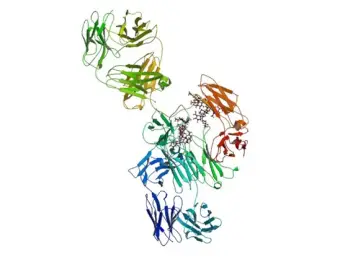
Mechanism of actionWhile recent research points to the involvement of multiple neurotransmitters in the development and maintenance of schizophrenia and bipolar disorders, the dopamine hypothesis has been and continues to be a key theory in understanding the pathophysiology of these psychiatric disorders. Dopamine is a neurotransmitter that plays several important roles in cells, and most importantly, it is a crucial neurotransmitter involved in reward processing and motivation. The nigrostriatal, mesolimbic, and mesocortical systems consist of dopaminergic projections. The dopamine hypothesis states that dopaminergic aberrations are observed in schizophrenia and bipolar disorders. For example, hyperactive dopamine D2 receptor activity has been associated with positive symptoms of schizophrenia, such as hallucinations and delusions. On the other hand, alterations in dopamine D3 receptors may be involved in producing negative symptoms of schizophrenia. It was stated that hyperdopaminergia, caused by elevations in D2/3 receptor availability and a hyperactive reward processing network, underlies the development of mania in bipolar disorder. The exact mechanism of action of cariprazine is not fully elucidated. Cariprazine potently binds to both of these receptors, more preferably to D3 receptors with higher affinity. Preclinical studies suggest that D3 receptor blockade is associated with exerting pro-cognitive and antidepressant effects and attenuating negative symptoms in schizophrenia. This unique mechanism of action differs from that of other antipsychotic agents that mostly target D2 and 5-HT<sub>2A</sub> receptors. Cariprazine is also a partial agonist at 5-HT<sub>1A</sub> receptors, an antagonist at 5-HT<sub>2B</sub> and 5-HT<sub>2A</sub> receptors, an antagonist at histamine H1 receptors. It also binds to 5-HT<sub>2C</sub>, alpha (α)-1A adrenergic, and alpha (α)-1B adrenergic receptors with low affinity.
PharmacodynamicsCariprazine is an antipsychotic agent. In clinical trials, it reduced positive and negative symptoms in patients with schizophrenia and acute mania in patients with bipolar I disorder. In animal models, cariprazine showed therapeutic benefits against cognitive deficits, mania, and catalepsy. In a meta-analysis study, cariprazine was shown to improve anxiety and depressed mood in patients with psychosis. As cariprazine is a partial agonist at dopamine D2 and D3 receptors, it produces an apparent lower blockade level than other antipsychotic agents that block dopamine receptors. This receptor binding profile is advantageous as dopamine receptor blockade is associated with extrapyramidal symptoms as side effects. Partial agonism would allow the dopamine receptor to be stimulated even at maximal receptor occupancy by the drug. Antagonism at 5-HT<sub>1A</sub> and 5-HT<sub>2A</sub> receptors by cariprazine can increase dopaminergic neurotransmission in the nigrostriatal pathway, thereby further reducing the risk of extrapyramidal symptoms. However, cariprazine is still associated with a risk of akathisia, extrapyramidal disorder, restlessness, and tremor.
Targets
TargetOrganismActions
Dopamine D3 receptorHumanspartial agonist
Dopamine D2 receptorHumanspartial agonist
5-hydroxytryptamine receptor 1AHumanspartial agonist

ADME / PK

AbsorptionThe most clinically relevant drug concentration equates to the combined systemic concentration of cariprazine plus desmethyl cariprazine (DCAR) and didesmethyl cariprazine (DDCAR), the two main pharmacologically active metabolites of cariprazine. After single dose administration of cariprazine, the peak plasma cariprazine concentration occurred in approximately three to six hours. In healthy volunteers, the T<sub>max</sub> following oral administration was 3.6 hours for cariprazine, 6.5 hours for DCAR, and 18.1 hours for DDCAR. The steady-state was reached dose-proportionally within three weeks for cariprazine, DCAR, and DDCAR in patients with schizophrenia. Administration of a single dose of 1.5 mg cariprazine capsule with a high-fat meal did not significantly affect the C<sub>max</sub> and AUC of cariprazine or its metabolite, desmethyl cariprazine (DCAR).
Half-lifeCariprazine and its active metabolites have long half lives. Terminal half-lives of cariprazine, DCAR, and DDCAR ranged from 31.6 to 68.4, 29.7 to 37.5, and 314 to 446 hours, respectively. The effective half-life, calculated from time to steady state, or the functional half-life of total active moieties was approximately one week.
Protein bindingCariprazine and its major active metabolites are highly bound (91 to 97%) to plasma proteins.
MetabolismCariprazine is extensively metabolized by CYP3A4 and, to a lesser extent, by CYP2D6 to form two major metabolites, desmethyl cariprazine (DCAR) and didesmethyl cariprazine (DDCAR). DCAR and DDCAR are pharmacologically active metabolites with _in vitro_ receptor binding profiles similar to the parent drug. DCAR is further metabolized into DDCAR by CYP3A4 and CYP2D6. DDCAR can be metabolized by CYP3A4 to form a hydroxylated metabolite.
Route of eliminationFollowing administration of 12.5 mg/day cariprazine to patients with schizophrenia for 27 days, about 21% of the daily dose was found in urine, with approximately 1.2% of the daily dose being excreted in urine as unchanged parent drug.

Formulation & handling

  • Cariprazine is formulated exclusively for oral administration as solid capsules, requiring consideration of low aqueous solubility during formulation development.
  • The compound is a small molecule phenylpiperazine with moderate lipophilicity (LogP 4.06), which may impact absorption and bioavailability profiles.
  • Drug interactions with CYP3A4 modulators and caution with alcohol intake should be considered during clinical use and formulation strategy.

Regulatory status

LifecycleThe active pharmaceutical ingredient is marketed in the US, EU, and Canada with patent protections in the US extending until mid-2029, indicating it is in a late-stage patent lifecycle with potential generic entry approaching in the next several years.
MarketsEU, Canada, US
Supply Chain
Supply chain summaryCariprazine is marketed under the brand name Reagila across the EU, Canada, and the US, indicating a global presence of branded products. Multiple patents protecting Cariprazine in the United States are valid through at least mid-2029, suggesting limited generic competition in the near term. The originator company's role is primarily focused on maintaining exclusive rights until patent expiries enable potential generic entry.

Safety

ToxicityIn pre-marketing clinical trials, an accidental acute overdosage (48 mg/day) was reported in one patient who experienced orthostasis and sedation. The patient fully recovered the same day. As there are no specific antidotes for cariprazine, supportive care, including close medical supervision and monitoring, is advised to manage overdose. The possibility of multiple drug involvement should also be considered.
High Level Warnings:
  • Exposure to excessive doses may lead to central nervous system depression, including sedation and orthostatic hypotension
  • No specific antidote is available
  • Management of overdose requires supportive care and continuous monitoring

Cariprazine is a type of Atypical antipsychotics


Atypical antipsychotics belong to the subcategory of pharmaceutical active pharmaceutical ingredients (APIs) used in the treatment of various mental disorders, particularly schizophrenia and bipolar disorder. These medications are designed to alleviate the symptoms of psychosis by targeting specific neuroreceptors in the brain.

Unlike traditional antipsychotics, atypical antipsychotics exhibit a different pharmacological profile, providing a more favorable side effect profile and improved efficacy. These medications primarily act on dopamine and serotonin receptors, regulating the neurotransmitter levels in the brain to restore the chemical balance.

The mechanism of action of atypical antipsychotics involves blocking dopamine receptors, particularly D2 receptors, as well as modulating serotonin receptors, notably 5-HT2A receptors. By inhibiting excessive dopamine transmission and enhancing serotonin activity, atypical antipsychotics help reduce hallucinations, delusions, and other psychotic symptoms.

Some commonly used atypical antipsychotics include risperidone, olanzapine, quetiapine, and aripiprazole. These APIs are typically formulated into oral tablets or capsules for convenient administration.

Despite their effectiveness, atypical antipsychotics may have potential side effects such as weight gain, metabolic abnormalities, sedation, and extrapyramidal symptoms. Therefore, close monitoring and individualized treatment plans are essential to ensure optimal therapeutic outcomes.

In conclusion, atypical antipsychotics are a crucial subcategory of APIs used in the treatment of mental disorders. Their distinct pharmacological profile and mechanism of action make them valuable in managing psychosis while minimizing adverse effects.


Cariprazine (Atypical antipsychotics), classified under Antipsychotics


Antipsychotics belong to the pharmaceutical API (Active Pharmaceutical Ingredient) category used to treat psychiatric disorders such as schizophrenia, bipolar disorder, and other related conditions. These medications play a crucial role in managing symptoms associated with psychosis, including hallucinations, delusions, and disorganized thinking.

Antipsychotics work by modulating the levels of neurotransmitters in the brain, particularly dopamine and serotonin. They can be categorized into two classes: first-generation (typical) antipsychotics and second-generation (atypical) antipsychotics. Typical antipsychotics primarily target dopamine receptors, while atypical antipsychotics also affect serotonin receptors.

The pharmaceutical API category of antipsychotics includes various well-known drugs, such as haloperidol, chlorpromazine, risperidone, quetiapine, and olanzapine. These APIs are often formulated into different dosage forms, including tablets, capsules, injections, and oral suspensions, to provide flexibility in administration and patient-specific needs.

Antipsychotics offer relief from psychotic symptoms by stabilizing the imbalanced neurotransmitter activity in the brain. However, they may also have certain side effects, such as sedation, weight gain, extrapyramidal symptoms, and metabolic disturbances. It is essential for healthcare professionals to carefully monitor patients receiving antipsychotic treatment to optimize therapeutic benefits while minimizing adverse effects.

In summary, antipsychotics are a vital category of pharmaceutical APIs used to manage psychiatric disorders by modulating neurotransmitter activity in the brain. Their effectiveness in treating psychosis has made them a cornerstone of mental health treatment, providing much-needed relief to individuals suffering from these conditions.


Cariprazine API manufacturers & distributors

Compare qualified Cariprazine API suppliers worldwide. We currently have 9 companies offering Cariprazine API, with manufacturing taking place in 6 different countries. Use the table below to review supplier type, countries of origin, certifications, product portfolio and GMP audit availability.

SupplierTypeCountryProduct originCertificationsPortfolio
Producer
Japan Japan CoA76 products
Producer
China China CEP, CoA, GMP, USDMF229 products
Producer
China China CoA, MSDS42 products
Producer
Hungary Hungary CoA, USDMF48 products
Distributor
India India BSE/TSE, CoA, FDA, GMP, ISO9001, MSDS484 products
Producer
India India CoA, USDMF119 products
Producer
Spain Spain CoA, GMP51 products
Producer
China China BSE/TSE, CoA, GMP, MSDS66 products
Producer
Czech Republic Czech Republic CoA140 products

When sending a request, specify which Cariprazine API quality you need: for example EP (Ph. Eur.), USP, JP, BP, or another pharmacopoeial standard, as well as the required grade (base, salt, micronised, specific purity, etc.).

Use the list above to find high-quality Cariprazine API suppliers. For example, you can select GMP, FDA or ISO certified suppliers. Visit our help page to learn more about sourcing APIs via Pharmaoffer.