Global API sourcing simplified
We connect API buyers and suppliers worldwide with speed, trust, and full transparency.

Filters

Filters
Filter
Custom request?
Type
Production region
Qualifications
Show more
Country of origin

Cilnidipine API Manufacturers & Suppliers

3 verified results
Take control of your API sourcing
Submit a Special Inquiry and have Pharmaoffer activate verified suppliers.

Commercial-scale Suppliers

Producer
Produced in  India
|
Audit Report: Currently Eurofins has no report for this supplier. Contact them to let them know you're interested!
Certifications: coa

All certificates

coa
Producer
Produced in  India
|
Audit Report: Click here for more information on Eurofins audit reports
Certifications: GMP
|
USDMF
|
WC
|
CoA

All certificates

GMP
USDMF
WC
CoA
Take control of your API sourcing
Submit a Special Inquiry and have Pharmaoffer activate verified suppliers.
Producer
Produced in  China
|
Audit Report: Click here for more information on Eurofins audit reports
Certifications: JDMF
|
CoA

All certificates

JDMF
CoA
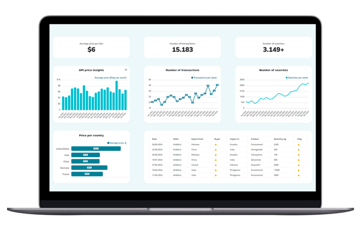
Get full market intelligence report
€399,-
All Cilnidipine data. Full access. Full negotiation power
When insight is your advantage
Full data, full access, full negotiation power
Total market transparency Total market transparency
|
Supplier trade data access Supplier trade data access
|
Buyer / supplier flow comparison Buyer / supplier flow comparison
Trusted by 30,000+ registered pharma professionals:
Reach multinationals, SMEs, compounding pharmacies & more!
Procaps
Pfizer
Reckitt
Sanofi
Blau
Abbvie

Cilnidipine | CAS No: 132203-70-4 | GMP-certified suppliers

A medication that manages hypertension, supporting end-organ protection and offering utility in patients with diabetes, albuminuria, or chronic kidney disease.

Therapeutic categories

Agents causing hyperkalemiaAntiarrhythmic agentsBradycardia-Causing AgentsCalcium Channel BlockersCalcium-Regulating Hormones and AgentsCardiovascular Agents
Generic name
Cilnidipine
Molecule type
small molecule
CAS number
132203-70-4
DrugBank ID
DB09232
Approval status
Investigational drug
ATC code
C08CA14

Primary indications

  • Cilnidipine is indicated for the management of hypertension for end-organ protection
  • It is reported to be useful in elderly patients and in those with diabetes and albuminuria
  • Cilnidipine has been increasingly used in patients with chronic kidney disease
  • Hypertension is the term used to describe the presence of high blood pressure

Product Snapshot

  • Oral small‑molecule formulation supplied as film‑coated tablets
  • Used for hypertension management, including use in patients with diabetes, albuminuria, and chronic kidney disease
  • Classified as investigational with no major regulatory approvals such as FDA or EMA

Clinical Overview

Cilnidipine (CAS 132203‑70‑4) is a dihydropyridine calcium channel blocker indicated for the management of hypertension, including use in patients with diabetes, albuminuria, and chronic kidney disease where blood pressure control contributes to end‑organ protection. It is approved in Japan, China, Korea, India, and several European Union countries and is characterized by dual activity on L‑ and N‑type calcium channels.

Pharmacologically, cilnidipine produces antihypertensive effects through reduction of peripheral vascular resistance. It blocks L‑type calcium channels in vascular smooth muscle, limiting calcium influx and suppressing vasoconstriction. Concurrent inhibition of N‑type calcium channels at sympathetic nerve terminals reduces norepinephrine release and attenuates sympathetic drive. This dual mechanism contributes to an antisympathetic profile without inducing reflex tachycardia.

In pharmacodynamic studies, cilnidipine has demonstrated stable blood pressure reduction with a low incidence of excessive hypotension. Its activity on the sympathetic pathway differentiates it from L‑type–selective dihydropyridines and may support its use in patient groups where sympathetic overactivity is clinically relevant.

Cilnidipine is a substrate of CYP3A enzymes, including CYP3A4. While detailed absorption, distribution, metabolism, and excretion parameters are not provided here, its CYP3A‑mediated metabolism indicates potential interactions with inhibitors or inducers of this pathway. No specific organ impairment dosing data are provided. Safety considerations include the class‑associated risks of hypotension, dizziness, peripheral edema, and bradycardia. Effects on serum potassium have been reported within the broader class profiles referenced but are not specifically quantified for cilnidipine. Toxicity data beyond routine antihypertensive class effects are not detailed in the supplied information.

Cilnidipine is marketed in several Asian markets; specific brand names are region dependent and not listed in the provided data.

For API procurement, sourcing should prioritize manufacturers with established control of stereochemistry, impurity profiles, and CYP3A‑related metabolic impurities, supported by current GMP certification and region‑appropriate regulatory documentation.

Identification & chemistry

Generic name Cilnidipine
Molecule type Small molecule
CAS 132203-70-4
UNII 97T5AZ1JIP
DrugBank ID DB09232

Pharmacology

SummaryCilnidipine is a dihydropyridine calcium channel blocker that inhibits L‑type channels in vascular smooth muscle, reducing calcium influx and lowering vascular tone. It also blocks N‑type calcium channels on sympathetic nerve terminals, limiting norepinephrine release and dampening sympathetic drive. These combined actions support blood pressure reduction in hypertension.
Mechanism of actionCilnidipine acts on the L-type calcium channels of blood vessels by blocking the incoming calcium and suppressing the contraction of blood vessels, thereby reducing blood pressure. Cilnidipine also works on the N-type calcium channel located at the end of the sympathetic nerve, inhibiting the emission of norepinephrine and suppressing the increase in stress blood pressure.
PharmacodynamicsAdministration of cilnidipine has been shown to present an antisympathetic profile in vitro and in vivo. It decreases blood pressure safely and effectively without excessive blood pressure reduction or tachycardia.
Targets
TargetOrganismActions
Voltage-dependent N-type calcium channel subunit alpha-1BHumansantagonist
Voltage-dependent L-type calcium channelHumansantagonist

ADME / PK

AbsorptionCilnidipine presents a very rapid absorption with a maximum peaked concentration after 2 hours. Its distribution tends to be higher in the liver as well as in kidneys, plasma and other tissues. Cilnidipine does not present a high accumulation in the tissue after repeated oral administration. Cilnidipine is reported to present very low bioavailability determined to be approximately 13%. This low bioavailability is suggested to be due to its low aqueous solubility and high permeability. Hence, efforts have been made in order to find an innovative formulation that can significantly improve the bioavailability of this drug. One of these formulations corresponds to the generation of polymeric nanoparticles which enhance the bioavailability by 2.5-3-fold.
Half-lifeThe half-life of the hypotensive effect for cilnidipine is of about 20.4 min.
Protein bindingCilnidipine presents a very high protein binding that represents to even 98% of the administered dose.
MetabolismCilnidipine is metabolized by both liver and kidney. It is rapidly metabolized by liver microsomes by a dehydrogenation process. The major enzymatic isoform involved in cilnidipine dehydrogenation of the dihydropyridine ring is CYP3A.
Route of eliminationCilnidipine gets eliminated through the urine in a proportion of 20% of the administered dose and 80% is eliminated by the feces.
Volume of distributionDrugs on the group of dihydropyridines such as cilnidipine tend to have a large volume of distribution.

Formulation & handling

  • Low aqueous solubility and moderate lipophilicity favor solid oral formulations and may require solubility‑enhancing excipients for consistent dissolution.
  • As a dihydropyridine, the API exhibits light sensitivity, so protection from UV exposure is needed during handling and formulation.
  • Solid-state stability is generally good, but moisture control is recommended to prevent degradation and maintain tablet integrity.

Regulatory status

Safety

ToxicityThe percentage of reports of cilnidipine that express drug toxicity reported as side effects are 5.26%.
High Level Warnings:
  • Reported toxicity incidence is low but present, with approximately 5
  • 26% of adverse event reports indicating cilnidipine‑related toxic effects
  • Monitor for class‑consistent vasodilatory reactions (e

Cilnidipine is a type of Calcium Channel Blockers


Calcium channel blockers (CCBs) are a subcategory of pharmaceutical active pharmaceutical ingredients (APIs) widely used in the treatment of various cardiovascular conditions. CCBs work by blocking the influx of calcium ions into smooth muscle cells and cardiac muscle cells, leading to vasodilation and reduced cardiac contractility.

CCBs are commonly prescribed to manage hypertension (high blood pressure), angina (chest pain), and certain arrhythmias (irregular heart rhythms). They are also effective in treating Raynaud's disease and migraine headaches. These medications exert their therapeutic effects by selectively inhibiting L-type calcium channels in the heart and blood vessels.

By blocking calcium channels, CCBs help relax and widen blood vessels, reducing peripheral resistance and improving blood flow. This mechanism of action lowers blood pressure, relieves angina symptoms, and helps prevent certain types of abnormal heart rhythms.

Some well-known CCBs include amlodipine, nifedipine, diltiazem, and verapamil. These medications are available in various formulations, including immediate-release and extended-release tablets, as well as injectable solutions.

It's important to note that CCBs may cause certain side effects, such as dizziness, headache, flushing, and ankle swelling. They may also interact with other medications, so it's crucial to consult a healthcare professional before starting or changing any CCB therapy.

In summary, Calcium channel blockers are a subcategory of cardiovascular medications that inhibit calcium channels, resulting in vasodilation, decreased cardiac contractility, and overall therapeutic effects in conditions such as hypertension, angina, and arrhythmias. Proper medical supervision and individualized treatment plans are essential for optimizing the use of CCBs.


Cilnidipine (Calcium Channel Blockers), classified under Antihypertensive agents


Antihypertensive agents are a crucial category of pharmaceutical active pharmaceutical ingredients (APIs) used to treat high blood pressure, also known as hypertension. These medications are designed to lower blood pressure and reduce the risk of associated cardiovascular complications.

Antihypertensive agents function by targeting various mechanisms involved in blood pressure regulation. Some common classes of antihypertensive agents include angiotensin-converting enzyme (ACE) inhibitors, angiotensin II receptor blockers (ARBs), beta-blockers, calcium channel blockers (CCBs), and diuretics.

ACE inhibitors work by inhibiting the enzyme responsible for converting angiotensin I to angiotensin II, a hormone that constricts blood vessels. ARBs, on the other hand, block the receptors to which angiotensin II binds, thereby preventing its vasoconstrictive effects.

Beta-blockers reduce blood pressure by blocking the effects of adrenaline and noradrenaline, which are responsible for increasing heart rate and constricting blood vessels. CCBs inhibit calcium from entering the smooth muscles of blood vessels, resulting in relaxation and vasodilation. Diuretics promote the elimination of excess fluid and sodium from the body, reducing blood volume and thereby lowering blood pressure.

Antihypertensive agents are typically prescribed based on the individual patient's condition and specific needs. They can be used alone or in combination to achieve optimal blood pressure control. It is important to note that antihypertensive agents should be taken regularly as prescribed by a healthcare professional and may require periodic monitoring to ensure their effectiveness and manage any potential side effects.

In summary, antihypertensive agents play a vital role in the management of hypertension by targeting various mechanisms involved in blood pressure regulation. These medications offer significant benefits in reducing the risk of cardiovascular complications associated with high blood pressure.


Cilnidipine API manufacturers & distributors

Compare qualified Cilnidipine API suppliers worldwide. We currently have 3 companies offering Cilnidipine API, with manufacturing taking place in 2 different countries. Use the table below to review supplier type, countries of origin, certifications, product portfolio and GMP audit availability.

SupplierTypeCountryProduct originCertificationsPortfolio
Producer
China China CoA, JDMF2 products
Producer
India India CoA13 products
Producer
India India CoA, GMP, USDMF, WC8 products

When sending a request, specify which Cilnidipine API quality you need: for example EP (Ph. Eur.), USP, JP, BP, or another pharmacopoeial standard, as well as the required grade (base, salt, micronised, specific purity, etc.).

Use the list above to find high-quality Cilnidipine API suppliers. For example, you can select GMP, FDA or ISO certified suppliers. Visit our help page to learn more about sourcing APIs via Pharmaoffer.

Frequently asked questions about Cilnidipine API


Sourcing

Which documents are typically required when sourcing Cilnidipine API?
Request the core API documentation set: CoA (3 companies), GMP (1 company), WC (1 company), USDMF (1 company), JDMF (1 company). Confirm versions and validity dates match the destination market to avoid delays in qualification.
Which manufacturers are known to produce Cilnidipine API?
Known or reported manufacturers for Cilnidipine: . Evaluate their GMP history, scale, and regional coverage before requesting dossiers or allocating demand.
How can I request quotes for Cilnidipine API from GMP suppliers?
Submit quote requests through the supplier listings with your specs and required documents (specifications, target volume, delivery timeline, and destination). Providing consistent details upfront speeds comparable offers and clarifies technical feasibility.
Is a GMP audit report available for Cilnidipine manufacturers?
Audit reports may be requested for Cilnidipine: 2 GMP audit reports available. Confirm the scope and recency of any audit before relying on it for qualification decisions.
How many suppliers offer Cilnidipine API on Pharmaoffer?
Reported supplier count for Cilnidipine: 3 verified suppliers. Filter listings by certifications, regions, and delivery options to match your qualification plan.
Which countries are known to manufacture Cilnidipine API?
Production countries reported for Cilnidipine: India (2 producers), China (1 producer). Knowing the manufacturing geography helps anticipate logistics lead times and import compliance needs.
Which certifications do suppliers of Cilnidipine usually hold?
Common certifications for Cilnidipine suppliers: CoA (3 companies), GMP (1 company), WC (1 company), USDMF (1 company), JDMF (1 company). Always verify issuing authorities and expiry dates when reviewing audit packages.

Technical

What is Cilnidipine (CAS 132203-70-4) used for?
Cilnidipine is used for the management of hypertension. It lowers blood pressure by blocking L‑type calcium channels in vascular smooth muscle and N‑type calcium channels at sympathetic nerve terminals, reducing peripheral resistance and sympathetic activity. Its dual mechanism supports blood pressure control in patient groups where sympathetic overactivity is relevant, including those with diabetes, albuminuria, or chronic kidney disease.
Which therapeutic class does Cilnidipine fall into?
Cilnidipine belongs to the following therapeutic categories: Agents causing hyperkalemia, Antiarrhythmic agents, Bradycardia-Causing Agents, Calcium Channel Blockers, Calcium-Regulating Hormones and Agents. This positioning helps teams compare alternative APIs, anticipate pharmacology expectations, and align early research priorities.
What conditions is Cilnidipine mainly prescribed for?
The primary indications for Cilnidipine: Cilnidipine is indicated for the management of hypertension for end-organ protection, It is reported to be useful in elderly patients and in those with diabetes and albuminuria, Cilnidipine has been increasingly used in patients with chronic kidney disease, Hypertension is the term used to describe the presence of high blood pressure. These use cases frame the target patient populations and help prioritize formulation and safety evaluations.
How does Cilnidipine work?
Cilnidipine acts on the L-type calcium channels of blood vessels by blocking the incoming calcium and suppressing the contraction of blood vessels, thereby reducing blood pressure. Cilnidipine also works on the N-type calcium channel located at the end of the sympathetic nerve, inhibiting the emission of norepinephrine and suppressing the increase in stress blood pressure.
What should someone know about the safety or toxicity profile of Cilnidipine?
Cilnidipine shows a generally low but present incidence of toxicity, with a portion of adverse event reports indicating Cilnidipine‑related effects. Safety concerns align with those of dihydropyridine calcium channel blockers, including hypotension, dizziness, peripheral edema, and possible bradycardia. Its metabolism through CYP3A introduces potential interaction risks with CYP3A inhibitors or inducers. Monitoring for vasodilatory reactions is advised.
What are important formulation and handling considerations for Cilnidipine as an API?
Cilnidipine’s low aqueous solubility supports the use of solid oral dosage forms with solubility‑enhancing excipients to achieve reliable dissolution. Its light sensitivity requires protection from UV exposure during handling and manufacturing. Moisture control is recommended to maintain stability and prevent degradation. The API’s lipophilicity and high protein binding do not alter handling needs but reinforce the importance of consistent formulation to support absorption.
Is Cilnidipine a small molecule?
Cilnidipine is classified as a small molecule. That classification shapes process design, impurity profiling, and analytical control strategies.
Are there special stability concerns for oral Cilnidipine?
Cilnidipine shows low aqueous solubility, so formulations may need solubility‑enhancing excipients to maintain consistent dissolution. As a dihydropyridine, it is light‑sensitive and requires protection from UV exposure during handling and manufacturing. Moisture control is also recommended to prevent degradation and preserve tablet integrity.

Pharmaoffer

How does Pharmaoffer’s Smart Sourcing Service help with Cilnidipine procurement?
Pharmaoffer's Smart Sourcing Service coordinates compliant suppliers, documentation, and competitive quotes for Cilnidipine. It centralizes outreach, follow-ups, and document validation to shorten procurement timelines.
Is Cilnidipine included in the PRO Data Insights coverage?
PRO Data Insights coverage for Cilnidipine: 466 verified transactions across 207 suppliers and 104 buyers worldwide. Use the dataset to benchmark suppliers and monitor regulatory activity where available.
Where can I access the API market report for Cilnidipine?
Market report availability for Cilnidipine: Report Available. The report highlights demand trends, pricing drivers, and supplier landscape insights for procurement planning.