Nystatin API Manufacturers & Suppliers

Find, compare & contact
Filters
Custom request?
Type
Production region
Qualifications
Country of origin

Distributor
+ 0
All certificates


 Follow us
Distributor
Produced in:

Established in: 1885
MOQ: -
Employees: 150



Trusted for 140 years
Global distribution business with API manufacturing facilities
European company with presence in 3 continents
+ 0
All certificates


Distributor
Produced in:

Established in: 1886
MOQ: -
Employees: 275+

Raw materials, CMO and OTC products
Two GMP certified locations
Customisable (small-sized) packages
+ 0
All certificates

Distributor
Produced in:

Established in: 2007
MOQ: -
Employees: 200+
GMP, WC, CEP, FDA, ISO Certificate
Arshine Group supplies more than 2,000 kinds of products
Arshine's marketing network has spread over more than 100 countries
+ 0
All certificates

Distributor
Produced in:
Established in: 2019
MOQ: 1 kg
Employees: 50+
ISO 9001, SGS, Certificated supplier.
Audit available either on site or remote.
Professional One Stop Service for delivery to customers.
+ 0
All certificates

Distributor
Produced in:
Established in: 1968
MOQ: 5 kg
Employees: 50+
Warehouse stock of nearly all APIs
GMP, GDP and ISO certified
Customisable (small-sized) packages
+ 0
All certificates
Distributor
Produced in:
Established in: 1987
MOQ: 1 kg
Employees: 50+
ISO 9001:2015 & SGS audited supplier
One-stop CDMO Solutions for APl and Key intermediates
Specialized in APIs & Pharmaceutical Intermediates for 38 years
+ 0
All certificates
Producer
+ 0
All certificates

Producer
+ 0
All certificates

Producer
+ 0
All certificates
How does it work?

You can register for free as long as you are registering on behalf of a legal company related to the pharmaceutical industry

Search in the search bar the product that you’re looking for. We’ll show you an overview of all available suppliers. Use the filters to select the relevant suppliers only

Have you found interesting suppliers? Then it’s time to contact them. Use the send inquiry button and send them a message. You can send for each product, 3 inquiries per week

Suppliers get notified by Pharmaoffer that they’ve received a new inquiry. They will come back to you with their questions, certificates, and offer in the chat on Pharmaoffer. We will send you an email in case of any news

Does the supplier meet your quality and commercial requirements? Then you can place the order. Just follow the steps of our order module
Looking for Nystatin API 1400-61-9?
- Description:
- Here you will find a list of producers, manufacturers and distributors of Nystatin. You can filter on certificates such as GMP, FDA, CEP, Written Confirmation and more. Send inquiries for free and get in direct contact with the supplier of your choice.
- API | Excipient name:
- Nystatin
- Synonyms:
- Mycostatin , Nistatina , NYS , Nystatin , Nystatine , Nystatinum
- Cas Number:
- 1400-61-9
- DrugBank number:
- DB00646
- Unique Ingredient Identifier:
- BDF1O1C72E
About Nystatin
Why are professionals looking for Nystatin? Nystatin is a polyene antifungal drug that has broad-spectrum fungicidal and fungistatic activity against a number of yeasts and fungi, most notably Candida species. It is one of the most effective antifungal agents synthesized by bacteria, in this case a strain of Streptomyces noursei and is closely related to amphotericin B, differing only slightly in structure. Nystatin has a greater antifungal activity than amphotericin B - parenterally administered nystatin, however, is associated with significant toxicity and is not available in a formulation appropriate for systemic use. As it undergoes very little absorption following oral or topical administration, nystatin's efficacy is limited to the treatment/prevention of cutaneous, mucocutaneous, and gastrointestinal fungal infections.
More information such as the structure, indication or toxicity is available on Drugbank, click the ID above.
Nystatin is a type of Antimycotics
Antimycotics, a subcategory of pharmaceutical Active Pharmaceutical Ingredients (APIs), are essential in the treatment of various fungal infections. These powerful medications target and eliminate harmful fungi that can cause infections in humans.
Antimycotics are classified into two main types: systemic and topical. Systemic antimycotics are administered orally or intravenously and work by circulating throughout the body, treating systemic fungal infections that affect internal organs or spread throughout the bloodstream. On the other hand, topical antimycotics are applied externally to treat localized fungal infections such as athlete's foot or yeast infections.
The efficacy of antimycotics lies in their ability to disrupt fungal cell membranes, inhibit the synthesis of fungal DNA or proteins, or interfere with essential metabolic processes specific to fungi. This targeted action minimizes damage to human cells, making these medications relatively safe for patients.
Commonly prescribed antimycotics include azoles, polyenes, allylamines, and echinocandins. Azoles inhibit the synthesis of ergosterol, a vital component of fungal cell membranes, while polyenes bind to ergosterol, resulting in the formation of pores that lead to cell death. Allylamines disrupt the synthesis of ergosterol and inhibit the activity of squalene epoxidase, an enzyme involved in ergosterol production. Echinocandins target the synthesis of β-(1,3)-D-glucan, an essential component of the fungal cell wall.
Antimycotics play a crucial role in the management of fungal infections, offering relief to patients and aiding in their recovery. As with any medication, it is important to follow healthcare professionals' guidance regarding dosage, duration of treatment, and potential side effects to ensure optimal therapeutic outcomes.
Nystatin (Antimycotics), classified under Antifungals
Antifungals are a vital category of pharmaceutical active pharmaceutical ingredients (APIs) designed to combat fungal infections. These medications are developed to target and eliminate fungi, including yeasts and molds, which can cause a range of diseases in humans and animals.
Antifungals work by interfering with specific components or processes essential for fungal growth and reproduction. They may inhibit the synthesis of fungal cell walls or disrupt the production of ergosterol, a crucial component of fungal cell membranes. By targeting these key mechanisms, antifungal APIs effectively hinder the growth and spread of fungal infections.
The diversity within the antifungal category is reflected in the various classes of antifungal APIs available. Azoles, polyenes, echinocandins, and allylamines are common classes of antifungals. Each class exhibits unique mechanisms of action and targets specific types of fungi. This diversity enables healthcare professionals to tailor treatment plans to the specific fungal infection, optimizing therapeutic outcomes.
Antifungal APIs find application in various pharmaceutical formulations, including oral medications, topical creams, ointments, and intravenous solutions. They are crucial for the treatment of common fungal infections like athlete's foot, ringworm, vaginal yeast infections, and oral thrush. Additionally, antifungals play a crucial role in managing serious systemic fungal infections that can pose significant health risks, especially in immunocompromised individuals.
Overall, antifungal APIs are indispensable tools in the fight against fungal infections, offering effective treatment options and improving the quality of life for patients suffering from these conditions. With ongoing research and development, the antifungal category continues to evolve, providing innovative solutions to combat the ever-changing landscape of fungal pathogens.
Nystatin manufacturers | traders | suppliers
We have 10 companies offering Nystatin produced in 3 different countries.
Get in contact with the supplier of your choice:
- AMARI TRADE ALLIANEC LLP from India, product country of origin India
- Chr. Olesen Group from Denmark, product country of origin Denmark
- Caesar & Loretz GmbH (CAELO) from Germany, product country of origin Unknown
- Arshine Pharmaceutical Co., Limited from China, product country of origin China
- Aurora Industry Co., Ltd from China, product country of origin China
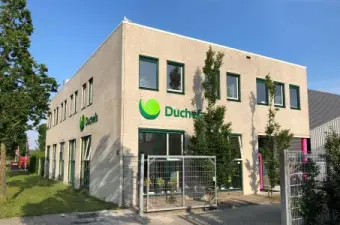
- Duchefa Farma B.V. from Netherlands, product country of origin Italy
- Sinoway industrial Co.,Ltd from China, product country of origin China
- Vuab Pharma from Czech Republic, product country of origin Czech Republic
- S.P. Quimica from Spain, product country of origin Spain
- Antibiotice from Romania, product country of origin Romania
Let the supplier know whether you are looking for a product with a specific monograph such as EP (Ph. Eur.), USP, JP, BP or another quality. Or, whether you are looking for hydrochloride (HCl), anhydricum, base, micronisatum or a specific purity.
You can use the filters to find high-quality suppliers. For example, you can select GMP, FDA or ISO certified suppliers. Visit our FAQ page or use the chat box in the corner to get more information about Pharmaoffer.