










Global API sourcing simplified
We connect API buyers and suppliers worldwide with speed, trust, and full transparency.

Filters

Filters
Filter
Custom request?
Type
Production region
Qualifications
Show more
Country of origin
Show more

Mk-0431 (Sitagliptin) API Manufacturers & Suppliers

34 verified results
Take control of your API sourcing
Submit a Special Inquiry and have Pharmaoffer activate verified suppliers.

Commercial-scale Suppliers

Producer
Produced in  India
|

Employees: 2000+

|
Audit Report: Click here for more information on Eurofins audit reports
Certifications: GMP
|
FDA
|
CEP
|
USDMF
|
EDMF/ASMF

All certificates

GMP
FDA
CEP
USDMF
EDMF/ASMF
MSDS
BSE/TSE
ISO9001
WC
CoA
Producer
Produced in  China
|

Employees: 50+

|
Audit Report: Currently Eurofins has no report for this supplier. Contact them to let them know you're interested!
Certifications: GMP
|
FDA
|
USDMF
|
MSDS
|
ISO9001

All certificates

GMP
FDA
USDMF
MSDS
ISO9001
CoA
Take control of your API sourcing
Submit a Special Inquiry and have Pharmaoffer activate verified suppliers.
Producer
Produced in  Poland
|

Employees: 455+

|
Audit Report: Click here for more information on Eurofins audit reports
Certifications: GMP
|
FDA
|
USDMF
|
MSDS
|
BSE/TSE

All certificates

GMP
FDA
USDMF
MSDS
BSE/TSE
CoA
Producer
Produced in  India
|

Employees: 50+

|
Audit Report: Currently Eurofins has no report for this supplier. Contact them to let them know you're interested!
Certifications: GMP
|
CoA

All certificates

GMP
CoA
Producer
Produced in  India
|

Employees: 19

|
Audit Report: Currently Eurofins has no report for this supplier. Contact them to let them know you're interested!
Certifications: GMP
|
FDA
|
CoA

All certificates

GMP
FDA
CoA
Distributor
Produced in  India
|

Employees: 25

|
Audit Report: Currently Eurofins has no report for this supplier. Contact them to let them know you're interested!
Certifications: GMP
|
FDA
|
MSDS
|
BSE/TSE
|
ISO9001

All certificates

GMP
FDA
MSDS
BSE/TSE
ISO9001
CoA
Get full market intelligence report
€399,-
All Sitagliptin data. Full access. Full negotiation power
Producer
Produced in  Czech Republic
|
Audit Report: Currently Eurofins has no report for this supplier. Contact them to let them know you're interested!
Certifications: CoA

All certificates

CoA
Producer
Produced in  China
|

Employees: 10+

|
Audit Report: Currently Eurofins has no report for this supplier. Contact them to let them know you're interested!
Certifications: GMP
|
USDMF
|
MSDS
|
BSE/TSE
|
ISO9001

All certificates

GMP
USDMF
MSDS
BSE/TSE
ISO9001
CoA
Take control of your API sourcing
Submit a Special Inquiry and have Pharmaoffer activate verified suppliers.
Distributor
Produced in  World
|

Employees: 50

|
Audit Report: Currently Eurofins has no report for this supplier. Contact them to let them know you're interested!
Certifications: GMP
|
CEP
|
USDMF
|
MSDS
|
JDMF

All certificates

GMP
CEP
USDMF
MSDS
JDMF
KDMF
CoA
ISO9001
Producer
Produced in  India
|

Employees: 1-5

|
Audit Report: Currently Eurofins has no report for this supplier. Contact them to let them know you're interested!
Certifications: GMP
|
FDA
|
CEP
|
MSDS
|
BSE/TSE

All certificates

GMP
FDA
CEP
MSDS
BSE/TSE
CoA
Producer
Produced in  Mexico
|
Audit Report: Currently Eurofins has no report for this supplier. Contact them to let them know you're interested!
Certifications: USDMF
|
CoA

All certificates

USDMF
CoA
Producer
Produced in  Spain
|
Audit Report: Currently Eurofins has no report for this supplier. Contact them to let them know you're interested!
Certifications: USDMF
|
CoA

All certificates

USDMF
CoA
Get full market intelligence report
€399,-
All Sitagliptin data. Full access. Full negotiation power
Producer
Produced in  Japan
|
Audit Report: Currently Eurofins has no report for this supplier. Contact them to let them know you're interested!
Certifications: CoA

All certificates

CoA
Producer
Produced in  India
|
Audit Report: Click here for more information on Eurofins audit reports
Certifications: USDMF
|
CoA

All certificates

USDMF
CoA
Producer
Produced in  India
|

Employees: 10000

|
Audit Report: Click here for more information on Eurofins audit reports
Certifications: USDMF
|
CoA

All certificates

USDMF
CoA
Producer
Produced in  China
|
Audit Report: Currently Eurofins has no report for this supplier. Contact them to let them know you're interested!
Certifications: USDMF
|
CoA
|
WC

All certificates

USDMF
CoA
WC
Take control of your API sourcing
Submit a Special Inquiry and have Pharmaoffer activate verified suppliers.
Producer
Produced in  India
|
Audit Report: Click here for more information on Eurofins audit reports
Certifications: USDMF
|
CoA

All certificates

USDMF
CoA
Producer
Produced in  China
|
Audit Report: Currently Eurofins has no report for this supplier. Contact them to let them know you're interested!
Certifications: USDMF
|
CoA

All certificates

USDMF
CoA
Producer
Produced in  China
|
Audit Report: Currently Eurofins has no report for this supplier. Contact them to let them know you're interested!
Certifications: GMP
|
FDA
|
CEP
|
USDMF
|
coa

All certificates

GMP
FDA
CEP
USDMF
coa
Producer
Produced in  India
|
Audit Report: Currently Eurofins has no report for this supplier. Contact them to let them know you're interested!
Certifications: GMP
|
CEP
|
USDMF
|
WC
|
CoA

All certificates

GMP
CEP
USDMF
WC
CoA
Take control of your API sourcing
Submit a Special Inquiry and have Pharmaoffer activate verified suppliers.
Producer
Produced in  India
|

Employees: 21,650

|
Audit Report: Click here for more information on Eurofins audit reports
Certifications: GMP
|
FDA
|
USDMF
|
EDMF/ASMF
|
MSDS

All certificates

GMP
FDA
USDMF
EDMF/ASMF
MSDS
BSE/TSE
WC
KDMF
CoA
Producer
Produced in  China
|
Audit Report: Click here for more information on Eurofins audit reports
Certifications: USDMF
|
CoA

All certificates

USDMF
CoA
Distributor
Produced in  China
|
Audit Report: Currently Eurofins has no report for this supplier. Contact them to let them know you're interested!
Certifications: GMP
|
USDMF
|
MSDS
|
BSE/TSE
|
ISO9001

All certificates

GMP
USDMF
MSDS
BSE/TSE
ISO9001
CoA
WHO-GMP
Producer
Produced in  Slovenia
|
Audit Report: Currently Eurofins has no report for this supplier. Contact them to let them know you're interested!
Certifications: GMP
|
CoA

All certificates

GMP
CoA
Take control of your API sourcing
Submit a Special Inquiry and have Pharmaoffer activate verified suppliers.
Producer
Produced in  China
|
Audit Report: Currently Eurofins has no report for this supplier. Contact them to let them know you're interested!
Certifications: USDMF
|
CoA

All certificates

USDMF
CoA
Producer
Produced in  China
|
Audit Report: Currently Eurofins has no report for this supplier. Contact them to let them know you're interested!
Certifications: coa

All certificates

coa
Producer
Produced in  India
|
Audit Report: Currently Eurofins has no report for this supplier. Contact them to let them know you're interested!
Certifications: coa

All certificates

coa
Producer
Produced in  India
|
Audit Report: Click here for more information on Eurofins audit reports
Certifications: GMP
|
USDMF
|
WC
|
CoA

All certificates

GMP
USDMF
WC
CoA
Not active
Get full market intelligence report
€399,-
All Sitagliptin data. Full access. Full negotiation power
Producer
Produced in  India
|
Audit Report: Currently Eurofins has no report for this supplier. Contact them to let them know you're interested!
Certifications: USDMF
|
CoA

All certificates

USDMF
CoA
Not active
Producer
Produced in  India
|
Audit Report: Currently Eurofins has no report for this supplier. Contact them to let them know you're interested!
Certifications: GMP
|
WC
|
CoA

All certificates

GMP
WC
CoA
Not active
Producer
Produced in  India
|
Audit Report: Click here for more information on Eurofins audit reports
Certifications: USDMF
|
CoA

All certificates

USDMF
CoA
Not active
Producer
Produced in  India
|
Audit Report: Currently Eurofins has no report for this supplier. Contact them to let them know you're interested!
Certifications: GMP
|
USDMF
|
WC
|
CoA

All certificates

GMP
USDMF
WC
CoA
Not active
Get full market intelligence report
€399,-
All Sitagliptin data. Full access. Full negotiation power
Distributor
Produced in  China
|
Audit Report: Currently Eurofins has no report for this supplier. Contact them to let them know you're interested!
Certifications: coa

All certificates

coa
Not active
Producer
Produced in  Spain
|
Audit Report: Currently Eurofins has no report for this supplier. Contact them to let them know you're interested!
Certifications: USDMF
|
CoA

All certificates

USDMF
CoA
Not active
When insight is your advantage
Full data, full access, full negotiation power
Total market transparency Total market transparency
|
Supplier trade data access Supplier trade data access
|
Buyer / supplier flow comparison Buyer / supplier flow comparison
Trusted by 30,000+ registered pharma professionals:
Reach multinationals, SMEs, compounding pharmacies & more!
Procaps
Pfizer
Reckitt
Sanofi
Blau
Abbvie

Sitagliptin | CAS No: 486460-32-6 | GMP-certified suppliers

A medication that supports improved glycemic control in adults with type 2 diabetes and can be incorporated into combination regimens for broader metabolic management.

Therapeutic categories

Agents causing angioedemaAlimentary Tract and MetabolismBlood Glucose Lowering AgentsCytochrome P-450 CYP2C8 SubstratesCytochrome P-450 CYP3A SubstratesCytochrome P-450 CYP3A4 Substrates
Generic name
Sitagliptin
Molecule type
small molecule
CAS number
486460-32-6
DrugBank ID
DB01261
Approval status
Approved drug, Investigational drug
ATC code
A10BH51

Primary indications

  • Sitagliptin is indicated as an adjunct to diet and exercise to improve glycemic control in adults with type 2 diabetes mellitus
  • It is not used to treat type 1 diabetes or patients with a history of pancreatitis
  • It is also used in combination with [metformin] or [ertugliflozin]

Product Snapshot

  • Oral small‑molecule DPP‑4 inhibitor supplied in multiple immediate‑ and extended‑release tablet presentations
  • Used to support glycemic control in adults with type 2 diabetes, including fixed‑dose combination formats
  • Approved in the US, EU, and Canada, with additional investigational listings in some regions

Clinical Overview

Sitagliptin (CAS 486460-32-6) is an oral dipeptidyl peptidase‑4 inhibitor indicated as an adjunct to diet and exercise to improve glycemic control in adults with type 2 diabetes mellitus. It is not appropriate for type 1 diabetes or for patients with a history of pancreatitis. Sitagliptin is also used in fixed‑dose combinations with metformin or ertugliflozin in multi‑drug regimens for patients requiring additional glycemic management.

Sitagliptin belongs to the class of beta amino acids and derivatives. Its therapeutic effect results from selective inhibition of DPP‑4, an enzyme responsible for rapid degradation of the incretin hormones glucagon‑like peptide‑1 and glucose‑dependent insulinotropic polypeptide. By slowing incretin inactivation, sitagliptin increases circulating levels of these hormones, leading to glucose‑dependent enhancement of insulin secretion and suppression of glucagon release. The mechanism supports improved postprandial and fasting glycemic control and contributes to reductions in HbA1c.

Pharmacokinetic data indicate rapid oral absorption with minimal metabolism. Sitagliptin is a substrate of CYP3A4, CYP2C8, P‑glycoprotein, and OAT3, although renal excretion of unchanged drug is the predominant elimination pathway. Renal function has a direct impact on systemic exposure, and dose adjustments are commonly required in patients with impaired kidney function.

Safety considerations include the risk of hypoglycemia when used with insulin secretagogues, potential for angioedema, and rare events of pancreatitis. Postmarketing reports have described hypersensitivity reactions. As sitagliptin is largely renally excreted, accumulation may occur in severe renal impairment, underscoring the need for monitored dosing and appropriate patient selection.

Sitagliptin is widely available as a component of oral antidiabetic regimens, with long‑established global clinical use since its initial approval in 2006.

For API procurement, sourcing should prioritize manufacturers with demonstrated control of chiral purity, residual solvent levels, and particle size distribution. Compliance with current Good Manufacturing Practice and availability of regulatory documentation such as DMFs or CEPs supports reliable integration into finished dosage form development.

Identification & chemistry

Generic name Sitagliptin
Molecule type Small molecule
CAS 486460-32-6
UNII QFP0P1DV7Z
DrugBank ID DB01261

Pharmacology

SummarySitagliptin inhibits the enzyme DPP‑4, which slows degradation of the incretin hormones GLP‑1 and GIP. Sustained incretin activity enhances glucose‑dependent insulin secretion and suppresses glucagon release, supporting improved regulation of blood glucose. The drug’s primary pharmacodynamic effect is increased incretin levels with corresponding modulation of insulin and glucagon pathways via DPP‑4 blockade.
Mechanism of actionInhibition of DPP-4 by sitagliptin slows DPP-4 mediated inactivation of incretins like GLP-1 and GIP[FDA label,A2256]. Incretins are released throughout the day and upregulated in response to meals as part of glucose homeostasis[FDA label,A2260]. Reduced inhibition of incretins increase insulin synthesis and decrease glucagon release in a manner dependant on glucose concentrations[FDA label,A2255]. These effects lead to an overall increase in blood glucose control which is demonstrated by reduced glycosylated hemoglobin (HbA1c)[FDA label,A2260].
PharmacodynamicsSitagliptin inhibits DPP-4 which leads to increased levels of glucagon-like peptide-1 (GLP-1) and glucose-dependent insulinotropic polypeptide(GIP), decreased levels of glucagon, and a stronger insulin response to glucose[FDA label,A2260,A2255,A2256].
Targets
TargetOrganismActions
Dipeptidyl peptidase 4Humansinhibitor

ADME / PK

AbsorptionSitagliptin is 87% orally bioavailable and taking it with or without food does not affect its pharmacokinetics[FDA label,A2260]. Sitagliptin reaches maximum plasma concentration in 2 hours.
Half-lifeApproximately 12.4 hours[FDA label]. Other studies have reported a half life of approximately 11 hours.
Protein binding38%[FDA label,A2260].
MetabolismSitagliptin is mostly not metabolised, with 79% of the dose excreted in the urine as the unchanged parent compound[FDA label]. Minor metabolic pathways are mediated mainly by cytochrome p450(CYP)3A4 and to a lesser extent by CYP2C8[FDA label]. After 18 hours, 81% of the dose has remained unchanged, while 2% has been N-sulfated to the M1 metabolite, 6% has been oxidatively desaturated and cyclized to the M2 metabolite, <1% glucuronidated at an unknown site to the M3 metabolite, <1% has been carbamoylated and glucuronidated to the M4 metabolite, 6% has been oxidatively saturated and cyclized to the M5 metabolite, and 2% has been hydroxylated at an unknown site to the M6 metabolite. The M2 metabolite is the cis isomer while the M5 metabolite is the trans isomer of the same metabolite.
Route of eliminationApproximately 79% of sitagliptin is excreted in the urine as the unchanged parent compound[FDA label]. 87% of the dose is eliminated in the urine and 13% in the feces[FDA label,A2260].
Volume of distribution198L[FDA label,A2260].
Clearance350mL/min[FDA label,A2256].

Formulation & handling

  • Oral small‑molecule API suitable for conventional or film‑coated tablet formulations, with low aqueous solubility that may benefit from solubility‑enhancing excipients.
  • Physicochemical stability is generally robust for solid oral dosage forms, with typical handling as a stable crystalline powder.
  • Food has minimal impact on absorption, allowing flexible administration without specialized food‑dependent release design.

Regulatory status

LifecycleMost Canadian and several US patents have expired, with one US patent extending exclusivity into 2027, indicating a market transitioning toward later‑stage maturity. With products already marketed in Canada, the EU, and the US, the API is moving into a period of increasing generic competition as remaining protections lapse.
MarketsCanada, EU, US
Supply Chain
Supply chain summarySitagliptin is supplied by multiple packagers, with the originator holding key patents in the US and Canada and serving as the primary source of the branded product. The medicine is present across major regulated markets, including the US, EU, and Canada, with various branded and repackaged presentations. Patent expiries beginning in 2023 in the US and completed in Canada suggest that generic competition is emerging or expected to accelerate as remaining protections lapse, including the 2027 US patent.

Safety

ToxicityAnimal studies in pregnancy have shown no adverse effects on the mother or offspring at normal doses, however these results are not always applicable to humans. There is a voluntary fetal exposure registry [FDA label,L6067]. Animal studies at 100 times the maximum recommended human dose resulted in an increase in rib malformations. Sitagliptin is excreted in the milk of rats but it is not known if it would also be expressed in human breast milk. Because many drugs are expressed in human breast milk, the risk and benefit of prescribing the medication must be considered. There is currently a lack of safety and effectiveness data in pediatric patients. No differences in safety and efficacy were observed in geriatric patients compared to younger patients, however caution should be used in this population as they are more likely to have reduced renal function[FDA label]. Sitagliptin has also been associated with a 34% relative risk increase for all cause infection. There was no significant difference in patient response across sex, age, race, ethnicity, and BMI.
High Level Warnings:
  • High‑dose animal studies (≈100× MRHD) produced skeletal malformations, indicating a potential for developmental toxicity at supratherapeutic exposure levels
  • Excretion in rat milk has been observed
  • Human lactational transfer is unknown, suggesting a need for defined containment and exposure‑control measures in manufacturing

Sitagliptin is a type of DPP4-Inhibitors


DPP4-Inhibitors, or dipeptidyl peptidase-4 inhibitors, belong to the subcategory of pharmaceutical active ingredients known for their therapeutic role in managing type 2 diabetes mellitus. These inhibitors work by targeting and inhibiting the action of the enzyme dipeptidyl peptidase-4 (DPP4) in the body.

DPP4 is responsible for breaking down incretin hormones, such as glucagon-like peptide-1 (GLP-1) and glucose-dependent insulinotropic polypeptide (GIP). By inhibiting DPP4, DPP4-Inhibitors enhance the levels and activity of these hormones. GLP-1 and GIP play crucial roles in regulating blood sugar levels by stimulating insulin release, inhibiting glucagon secretion, and slowing down gastric emptying.

The main advantage of DPP4-Inhibitors is their ability to improve glycemic control without the risk of hypoglycemia, which is a common side effect of some other diabetes medications. They are typically used as an adjunct therapy in combination with other antidiabetic agents, such as metformin, to achieve optimal glucose management.

Commonly prescribed DPP4-Inhibitors include sitagliptin, saxagliptin, linagliptin, and alogliptin. These drugs are available in oral tablet formulations, allowing for convenient administration. They have shown efficacy in lowering HbA1c levels and have a favorable safety profile.

It is important to note that DPP4-Inhibitors are not suitable for individuals with type 1 diabetes or those with a history of pancreatitis. As with any medication, there may be potential side effects, such as upper respiratory tract infections, headache, and gastrointestinal discomfort, which should be discussed with a healthcare professional.

In conclusion, DPP4-Inhibitors are a subcategory of pharmaceutical APIs that act by inhibiting the enzyme DPP4, thereby enhancing the effects of incretin hormones involved in glucose regulation. They are widely used in the management of type 2 diabetes mellitus, offering glycemic control benefits with a reduced risk of hypoglycemia.


Sitagliptin (DPP4-Inhibitors), classified under Anti-diabetics


Anti-diabetics, belonging to the pharmaceutical API (Active Pharmaceutical Ingredient) category, are a group of compounds designed to manage and treat diabetes mellitus, a chronic metabolic disorder characterized by high blood sugar levels. These medications play a vital role in controlling diabetes and preventing complications associated with the disease.

Anti-diabetics encompass a wide range of drug classes, including biguanides, sulfonylureas, thiazolidinediones, dipeptidyl peptidase-4 (DPP-4) inhibitors, sodium-glucose cotransporter-2 (SGLT2) inhibitors, and glucagon-like peptide-1 (GLP-1) receptor agonists. Each class works through different mechanisms to regulate blood sugar levels and improve insulin sensitivity.

Biguanides, such as metformin, reduce glucose production by the liver and enhance insulin sensitivity in peripheral tissues. Sulfonylureas, like glipizide, stimulate insulin secretion from pancreatic beta cells. Thiazolidinediones, including pioglitazone, improve insulin sensitivity in muscle and adipose tissues. DPP-4 inhibitors, such as sitagliptin, increase insulin release and inhibit glucagon secretion. SGLT2 inhibitors, like dapagliflozin, decrease renal glucose reabsorption, leading to increased urinary glucose excretion. GLP-1 receptor agonists, such as exenatide, enhance insulin secretion, suppress glucagon release, slow gastric emptying, and promote satiety.

These anti-diabetic APIs serve as the foundational ingredients for the formulation of various oral tablets, capsules, and injectable medications used in the treatment of diabetes. By targeting different aspects of glucose regulation, they help patients achieve and maintain optimal blood sugar levels, thus reducing the risk of diabetic complications, such as cardiovascular disease, neuropathy, and nephropathy.

It is crucial for healthcare professionals to prescribe and administer these anti-diabetic medications appropriately, considering factors like the patient's medical history, co-existing conditions, and potential drug interactions. Regular monitoring of blood glucose levels and close medical supervision are necessary to ensure effective diabetes management.

In conclusion, anti-diabetics form a critical category of pharmaceutical APIs used for the treatment of diabetes. These compounds, encompassing various drug classes, work through distinct mechanisms to regulate blood sugar levels and improve insulin sensitivity. By facilitating glucose control, anti-diabetic APIs help mitigate the risk of complications associated with diabetes mellitus, ultimately promoting better health outcomes for patients.


Sitagliptin API manufacturers & distributors

Compare qualified Sitagliptin API suppliers worldwide. We currently have 34 companies offering Sitagliptin API, with manufacturing taking place in 9 different countries. Use the table below to review supplier type, countries of origin, certifications, product portfolio and GMP audit availability.

SupplierTypeCountryProduct originCertificationsPortfolio
Producer
Japan Japan CoA76 products
Producer
India India CoA, GMP18 products
Producer
China China BSE/TSE, CoA, GMP, ISO9001, MSDS, USDMF229 products
Distributor
Germany World CEP, CoA, GMP, GDP, JDMF, KDMF, MSDS, USDMF243 products
Producer
China China CoA, USDMF10 products
Producer
India India CoA, USDMF36 products
Producer
India India CoA, GMP, WC47 products
Producer
India India BSE/TSE, CoA, EDMF/ASMF, FDA, GMP, KDMF, MSDS, USDMF, WC170 products
Producer
India India BSE/TSE, CEP, CoA, FDA, GMP, MSDS70 products
Producer
China China CoA, USDMF, WC10 products
Distributor
India India BSE/TSE, CoA, FDA, GMP, ISO9001, MSDS484 products
Producer
Germany China CEP, CoA, FDA, GMP, USDMF31 products
Producer
India India CoA, USDMF26 products
Producer
India India CEP, CoA, GMP, USDMF, WC30 products
Producer
India India CoA30 products
Producer
Slovenia Slovenia CoA, GMP81 products
Producer
India India CoA, USDMF155 products
Producer
Spain Spain CoA, USDMF50 products
Producer
India India BSE/TSE, CEP, CoA, EDMF/ASMF, FDA, GMP, ISO9001, MSDS, USDMF, WC22 products
Producer
India India CoA, GMP, USDMF, WC31 products
Producer
India India CoA, GMP, USDMF, WC201 products
Producer
Poland Poland BSE/TSE, CoA, FDA, GMP, MSDS, USDMF64 products
Producer
India India CoA, FDA, GMP515 products
Distributor
China China CoA162 products
Producer
Mexico Mexico CoA, USDMF42 products
Distributor
China China CoA, FDA, GMP, ISO9001, MSDS, USDMF762 products
Producer
Spain Spain CoA, USDMF7 products
Distributor
India China BSE/TSE, CoA, GMP, ISO9001, MSDS, USDMF, WHO-GMP24 products
Producer
India India CoA, USDMF219 products
Producer
China China CoA10 products
Producer
India India CoA, USDMF34 products
Producer
Czech Republic Czech Republic CoA142 products
Producer
China China CoA, USDMF15 products
Producer
China China CoA, USDMF19 products

When sending a request, specify which Sitagliptin API quality you need: for example EP (Ph. Eur.), USP, JP, BP, or another pharmacopoeial standard, as well as the required grade (base, salt, micronised, specific purity, etc.).

Use the list above to find high-quality Sitagliptin API suppliers. For example, you can select GMP, FDA or ISO certified suppliers. Visit our help page to learn more about sourcing APIs via Pharmaoffer.

Frequently asked questions about Sitagliptin API


Sourcing

What matters most when sourcing GMP-grade Sitagliptin?
Key considerations include confirming GMP compliance and regulatory alignment with US, EU, and Canadian standards. Suppliers should demonstrate clear traceability, especially given multiple packagers and the originator’s continued role in the market. Awareness of ongoing and recently expired patents in the US and Canada is important to ensure lawful sourcing as generic competition expands.
Which documents are typically required when sourcing Sitagliptin API?
Request the core API documentation set: CoA (34 companies), USDMF (23 companies), GMP (17 companies), MSDS (9 companies), FDA (8 companies). Confirm versions and validity dates match the destination market to avoid delays in qualification.
Which manufacturers are known to produce Sitagliptin API?
Known or reported manufacturers for Sitagliptin: Polpharma, Acura Labs, Apino Pharma Co., Ltd., Global Pharma Tek, SETV Global, Sinoway industrial Co.,Ltd, Morepen Laboratories Ltd., Dr. Sahu's Laboratories, Veeprho Group, AXXO GmbH. Evaluate their GMP history, scale, and regional coverage before requesting dossiers or allocating demand.
How can I request quotes for Sitagliptin API from GMP suppliers?
Submit quote requests through the supplier listings with your specs and required documents (specifications, target volume, delivery timeline, and destination). Providing consistent details upfront speeds comparable offers and clarifies technical feasibility.
Is a GMP audit report available for Sitagliptin manufacturers?
Audit reports may be requested for Sitagliptin: 9 GMP audit reports available. Confirm the scope and recency of any audit before relying on it for qualification decisions.
How many suppliers offer Sitagliptin API on Pharmaoffer?
Reported supplier count for Sitagliptin: 34 verified suppliers. Filter listings by certifications, regions, and delivery options to match your qualification plan.
Which countries are known to manufacture Sitagliptin API?
Production countries reported for Sitagliptin: India (16 producers), China (10 producers), Spain (2 producers). Knowing the manufacturing geography helps anticipate logistics lead times and import compliance needs.
Which certifications do suppliers of Sitagliptin usually hold?
Common certifications for Sitagliptin suppliers: CoA (34 companies), USDMF (23 companies), GMP (17 companies), MSDS (9 companies), FDA (8 companies). Always verify issuing authorities and expiry dates when reviewing audit packages.

Technical

What is Sitagliptin (CAS 486460-32-6) used for?
Sitagliptin is used as an adjunct to diet and exercise to improve glycemic control in adults with type 2 diabetes mellitus. It works by inhibiting DPP‑4, which slows degradation of incretin hormones and supports glucose‑dependent insulin release and reduced glucagon levels. It is also used in fixed‑dose combinations with agents such as metformin or ertugliflozin for patients needing additional glycemic management and is not appropriate for type 1 diabetes or patients with a history of pancreatitis.
Which therapeutic class does Sitagliptin fall into?
Sitagliptin belongs to the following therapeutic categories: Agents causing angioedema, Alimentary Tract and Metabolism, Blood Glucose Lowering Agents, Cytochrome P-450 CYP2C8 Substrates, Cytochrome P-450 CYP3A Substrates. This positioning helps teams compare alternative APIs, anticipate pharmacology expectations, and align early research priorities.
What conditions is Sitagliptin mainly prescribed for?
The primary indications for Sitagliptin: Sitagliptin is indicated as an adjunct to diet and exercise to improve glycemic control in adults with type 2 diabetes mellitus, It is not used to treat type 1 diabetes or patients with a history of pancreatitis, It is also used in combination with [metformin] or [ertugliflozin]. These use cases frame the target patient populations and help prioritize formulation and safety evaluations.
How does Sitagliptin work?
Inhibition of DPP-4 by Sitagliptin slows DPP-4 mediated inactivation of incretins like GLP-1 and GIP[FDA label,A2256]. Incretins are released throughout the day and upregulated in response to meals as part of glucose homeostasis[FDA label,A2260]. Reduced inhibition of incretins increase insulin synthesis and decrease glucagon release in a manner dependant on glucose concentrations[FDA label,A2255]. These effects lead to an overall increase in blood glucose control which is demonstrated by reduced glycosylated hemoglobin (HbA1c)[FDA label,A2260].
What should someone know about the safety or toxicity profile of Sitagliptin?
Sitagliptin is associated with hypoglycemia when combined with insulin secretagogues, and rare cases of pancreatitis, angioedema, and hypersensitivity reactions have been reported. Because the drug is primarily renally excreted, systemic accumulation can occur in severe renal impairment, requiring monitored dosing. High‑dose animal studies showed skeletal malformations, indicating developmental toxicity at exposures far above the maximum recommended human dose. Excretion in rat milk and unknown human lactational transfer support the need for appropriate exposure‑control measures during manufacturing.
What are important formulation and handling considerations for Sitagliptin as an API?
Sitagliptin is a stable crystalline powder with low aqueous solubility, so formulations may require solubility‑enhancing excipients to ensure adequate dissolution in oral tablets. It is suitable for conventional or film‑coated tablet forms, and its robust solid‑state stability supports standard handling and storage practices for solid APIs. Because food does not meaningfully affect absorption, no specialized food‑dependent release features are needed. Care should be taken to maintain normal controls for moisture and particulate handling typical for solid oral APIs.
Is Sitagliptin a small molecule?
Sitagliptin is classified as a small molecule. That classification shapes process design, impurity profiling, and analytical control strategies.
Are there special stability concerns for oral Sitagliptin?
Sitagliptin is considered physically and chemically stable as a crystalline powder used in solid oral dosage forms. Its low aqueous solubility may require solubility‑enhancing excipients for formulation but does not pose unusual stability risks. No special food‑related or storage‑related stability concerns are noted for conventional or film‑coated tablets.

Regulatory

Where is Sitagliptin approved or in use globally?
Sitagliptin is reported as approved in the following major regions: Canada, EU, US. Understanding geographic coverage informs regulatory filings, supply planning, and risk assessments before escalating procurement.
What’s the regulatory and patent landscape for Sitagliptin right now?
Sitagliptin has established regulatory authorization in Canada, the EU, and the US. Its patent status depends on jurisdiction-specific filings and expirations that govern market exclusivity. In each region, patent protections typically follow national legislation and determine when generic versions may enter the market.

Pharmaoffer

How does Pharmaoffer’s Smart Sourcing Service help with Sitagliptin procurement?
Pharmaoffer's Smart Sourcing Service coordinates compliant suppliers, documentation, and competitive quotes for Sitagliptin. It centralizes outreach, follow-ups, and document validation to shorten procurement timelines.
Is Sitagliptin included in the PRO Data Insights coverage?
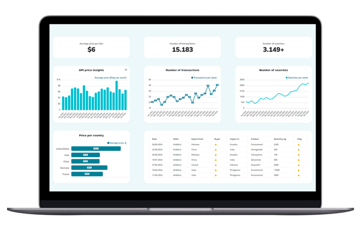
PRO Data Insights coverage for Sitagliptin: 3793 verified transactions across 1012 suppliers and 650 buyers worldwide. Use the dataset to benchmark suppliers and monitor regulatory activity where available.
Where can I access the API market report for Sitagliptin?
Market report availability for Sitagliptin: Report Available. The report highlights demand trends, pricing drivers, and supplier landscape insights for procurement planning.